Free Chamber music Music Generator Powered by AI
Turn text into high-quality Chamber music music effortlessly – no login required!

music.toolTips
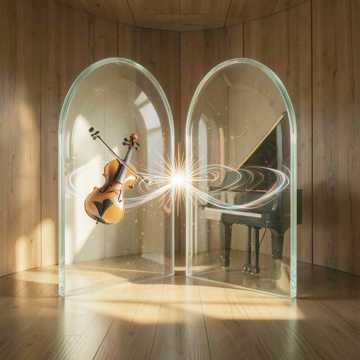
İki Ses Arası
'İki Ses Arası' is an intimate classical chamber instrumental where piano and violin converse gracefully, moving from solo introspection to harmonic dialogue, culminating in a polished and elegant final cadence.
04:20
10 hours ago
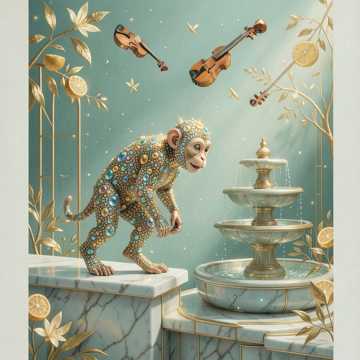
El Mono del Jardín
Un mono travieso transforma un jardín en un escenario musical barroco, mezclando elegancia, humor y movimientos juguetones con violines, clavecín y percusiones delicadas.
03:59
12 hours ago
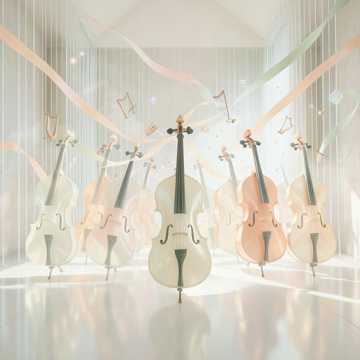
Sneaky Cello Parade
A playful ambient-modern classical instrumental that balances delicate chamber intimacy with cinematic atmosphere. Pizzicato strings, soft piano ostinatos, harp accents, and blooming synth textures create a mischievous yet elegant parade of shifting emotions and whimsical storytelling.
02:51
1 days ago
Abendhorn am Bach
A Romantic horn and piano sonata blending flowing andante melodies, expressive dynamics, and intimate concert-hall warmth, traversing light lyricism to deeper, chromatic tension.
08:00
1 days ago
دميلة
أغنية تعكس وجع الغدر وخيبات الحب، تجمع بين لحن حزين وأداء صوتي مؤثر يعبّر عن الألم الداخلي والحنين للماضي الضائع.
05:15
2 days ago
Oboe alla Turchesca
A Baroque-inspired oboe solo, featuring graceful sarabande rhythms, ornate dotted figures, and delicate harpsichord accompaniment, weaving intimate warmth and intricate ornamentation into a refined, airy musical tapestry.
02:10
Invalid date
Lamento d’Oboe
A Baroque oboe lament with intimate harpsichord and strings, unfolding ornate, expressive phrasing, weaving sorrow and elegance in a slow, reflective chamber dance.
02:26
Invalid date
Oath of Ash
A neoclassical chamber composition that begins with a grounded solo cello, gradually layering strings and subtle piano to create an intimate, warm, and cinematic atmosphere with noble, restrained emotional depth.
03:14
3 days ago
Broad Shoulders
An intimate neoclassical piece where solo cello opens a cinematic journey, gradually enriched by viola, piano, and subtle percussion, evoking quiet strength, introspection, and protective weight in a restrained, dramatic atmosphere.
03:28
3 days ago
Quiet Shoulders
A meditative neo-classical ambient piece, 'Quiet Shoulders' weaves intimate cello ostinatos and soft piano figures into a dynamic, evolving chamber texture that evokes calm reflection and emotional subtlety.
04:12
3 days ago
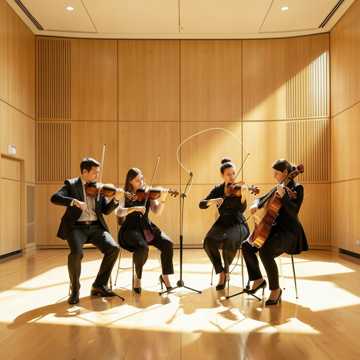
Sunlit Scherzo
A cheerful string quartet scherzo, Sunlit Scherzo dances with crisp violin motifs, buoyant interplay, and witty, Haydn-like charm in a bright, polished chamber setting.
05:06
3 days ago
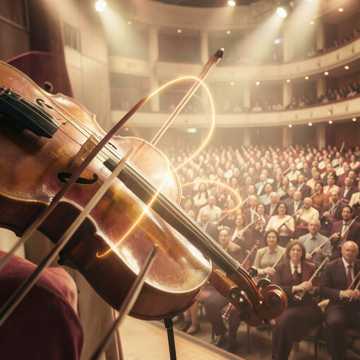
Долгий смычок
Медитативная камерная композиция, построенная вокруг протяжной скрипичной линии и мягкого расширения струнного ансамбля. Музыка создаёт ощущение тихого внутреннего диалога, плавного движения времени и тёплой кинематографической созерцательности.
03:49
4 days ago
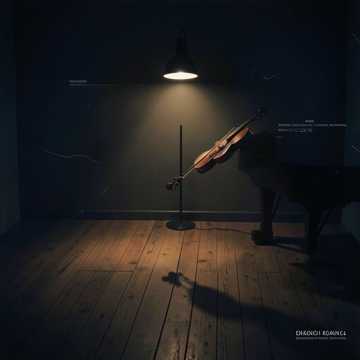
Under the Floorboards
A haunting, intimate instrumental journey through dark chamber textures, with slow 6/8 pulses, low piano, and bowed bass creating tension, dread, and cinematic depth.
04:32
4 days ago
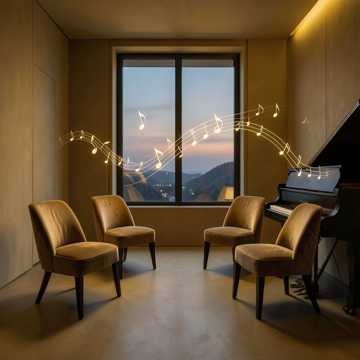
Four Chairs At Dusk
A tender instrumental chamber piece evoking intimate twilight reflections, with flowing string and piano interplay, gentle harmonic shifts, and a shimmering, lyrical coda in Schubert's romantic spirit.
08:00
5 days ago
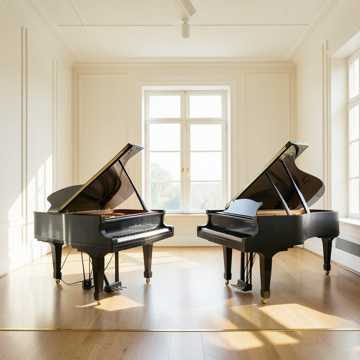
Fireside Sonata
Fireside Sonata is a lively classical piano duet in the Mozart-Beethoven tradition, featuring crisp counterpoint, role-swapping development, and intimate chamber resonance, designed for high-level playability and expressive interplay between two pianos.
03:50
6 days ago
Silver Cadenza
'Silver Cadenza' weaves delicate classical-pop textures with nimble verses, swelling choruses, and a whistled lead, capturing fleeting infatuation and tender, luminous intimacy in a brisk, elegant pulse.
03:50
6 days ago
Introduction to Chamber Music: History, Definition, and Evolution
Chamber music refers to a form of classical music composed for a small ensemble of musicians, typically with one player per part. The term 'chamber music' derives from the fact that these performances were originally intended to be played in small rooms or chambers, as opposed to large concert halls. This intimate setting emphasizes personal interaction among the musicians and between the performers and audience. The origins of chamber music can be traced back to the Renaissance and early Baroque periods, with the development of the string quartet and other small ensembles in the Classical era. Over time, composers like Haydn, Mozart, and Beethoven shaped and expanded the chamber music repertoire, leaving a lasting legacy in both style and structure.
Sub-tags and Classifications in Chamber Music
String Quartet
The string quartet is perhaps the most famous and influential form of chamber music, consisting of two violins, a viola, and a cello. Developed in the Classical era, it became a staple of chamber music thanks to composers like Haydn, Mozart, and Beethoven. The quartet structure typically includes four movements with varying tempos and moods, exploring the full range of tonal colors andChamber music content generation contrapuntal techniques.
Piano Trio
A piano trio consists of three instruments: a piano, a violin, and a cello. This combination was popularized by composers such as Beethoven and Brahms. The piano trio combines the harmonic richness of the piano with the lyrical lines of the strings, offering a wide range of expressive possibilities. The piano often plays a more prominent role in these works, contributing to a dynamic balance between the three instruments.
Wind Quintet
The wind quintet is a chamber music ensemble consisting of five wind instruments: flute, oboe, clarinet, bassoon, and horn. This form emerged in the Classical period and offers a rich variety of textures due to the contrasting timbres of the instruments. Composers like Paul Taffanel and Franz Danzi were instrumental in developing the wind quintet, and its repertoire continues to grow.
Brass Quintet
A brass quintet is made up of five brass instruments: two trumpets, a horn, a trombone, and a tuba. This ensemble is known for its bold, powerful sound and is often used in both classical and contemporary works. Brass quintets have a more limited but highly distinct repertoire, with composers such as Jan Koetsier and American composers like Eric Ewazen contributing significant works.
Famous Artists and Iconic Works in Chamber Music
Ludwig van Beethoven
Beethoven is considered one of the greatest composers of chamber music, with his works for string quartet, piano trio, and other ensembles setting new standards in form and emotional depth. His late string quartets, in particular, are monumental in the chamber music canon, featuring intricate counterpoint, expanded harmonic language, and profound expressivity. Notable works include his String Quartet Op. 131 and Piano Trio Op. 97.
Beethoven's String Quartet Op. 131
Beethoven's String Quartet Op. 131 is a pinnacle of chamber music composition, praised for its unconventional seven-movement structure and profound emotional depth. The quartet eschews traditional four-movement form in favor of a continuous, fluid sequence of movements, each showcasing Beethoven's mastery of contrapuntal techniques and harmonic innovation. This work is often seen as a bridge between the Classical and Romantic eras, pushing the boundaries of both form and expression.
Joseph Haydn
Often called the 'father of the string quartet,' Haydn revolutionized the genre with his development of the four-movement structure and his creative use of harmony and thematic development. His string quartets, including Op. 33 ('The Joke') and Op. 76, laid the foundation for the future of chamber music. Haydn's influence extends beyond the string quartet to his piano trios and other small ensembles.
Mozart's Piano Quartet in G minor, K. 478
Mozart's Piano Quartet in G minor, K. 478, is one of the composer's most dramatic chamber works. The quartet features a striking balance between the piano and the string instruments, with the piano playing a more prominent role. The work is marked by its lyrical themes, intricate counterpoint, and dark emotional contrasts, making it a standout piece in Mozart's chamber music output.
Wolfgang Amadeus Mozart
Mozart's chamber music is celebrated for its elegance, wit, and complexity. His contributions include the iconic piano quartets, string quartets, and piano trios. Works like the Piano Quartet in G minor, K. 478, and the String Quintet in C major, K. 515, continue to be central to the chamber music repertoire, admired for their balance of thematic development and harmonic richness.
Brahms' Piano Quintet in F minor, Op. 34
Brahms' Piano Quintet in F minor, Op. 34, is a monumental work that combines the rich textures of the piano and strings in a deeply expressive manner. The piece is known for its complex rhythms, lush harmonies, and emotional intensity. Brahms uses the piano as a full partner with the strings, creating a conversation between the two that is at once dramatic and intimate.
Johannes Brahms
Brahms' chamber music combines classical forms with deep emotional expression. His piano quartets, including Op. 25, and the piano quintet in F minor, Op. 34, are among the most beloved works in the chamber music tradition. His late string quartets also showcase a mature understanding of contrapuntal textures and harmonic exploration.
Applications of Chamber Music in Modern Media
Chamber music is often used in film soundtracks to create an intimate, emotional atmosphere. Its intricate, nuanced nature makes it ideal for scenes that require a delicate, personal touch. For instance, the use of string quartets in films like 'The Hours' and 'Atonement' enhances the emotional depth of the narrative, providing a sense of intimacy and reflection.
Film Soundtracks
Chamber music's subtlety and elegance have made it a popular choice in advertising, particularly for luxury brands or products seeking to evoke sophistication. Advertisements for high-end cars, watches, and perfumes often feature works from composers like Mozart and Beethoven to lend an air of class and timelessness to the product.
Advertising Music
In video games, chamber music can enhance the emotional resonance of key moments. Games that focus on character development or exploration, such as 'The Elder Scrolls V: Skyrim' or 'Final Fantasy,' often use string quartets or piano trios to underscore the narrative. This approach helps create an immersive atmosphere that complements the game's storytelling and mood.
Video Game Background Music