Free Chinese EDM Music Generator Powered by AI
Turn text into high-quality Chinese EDM music effortlessly – no login required!

music.toolTips
1
歌曲以京剧戏腔融合古风EDM,描绘浮生如梦、爱恨难全的人生感悟。强劲节拍与戏曲唱法交织,在豪迈与哀愁之间展现东方美学与岁月沧桑。
03:27
1 days ago
1
歌曲以京剧唱腔融合国风EDM,描绘岁月流转中的爱恨离合与人世浮沉。轻快节奏与戏韵交织,既有古典诗意,也充满现代电子音乐的热血张力。
03:19
1 days ago
1
这首歌以凌晨独自开车的场景切入,用大量真实生活细节描绘成年人隐忍的孤独与情感伤痕,在强烈咚鼓节奏与合唱推进中,完成从失落到释怀再到自我治愈的情绪成长。
04:30
1 days ago
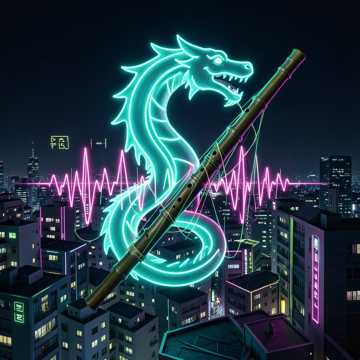
龙鼓电波
《龙鼓电波》融合国风元素与高速电子节拍,以紧凑弹跳律动、古筝碎句与强力四拍鼓驱动整体氛围,呈现适合短视频、电竞剪辑与热血转场的未来东方能量场。
02:38
3 days ago
Chinese EDM Music: Definition, History, and Evolution of the Chinese EDM Scene
Chinese EDM, also known as Chinese Electronic Dance Music, refers to electronic music produced by Chinese artists or heavily influenced by Chinese musical culture, language, instruments, and aesthetics. Chinese EDM combines modern electronic production techniques such as house, trance, dubstep, trap, future bass, techno, and progressive EDM with traditional Chinese melodies, folk instruments like the guzheng, erhu, pipa, and dizi, and Mandarin or Cantonese vocals. The Chinese EDM scene began gaining momentum during the late 1990s and early 2000s when global electronic dance music culture started influencing nightlife and club culture in cities such as Beijing, Shanghai, Guangzhou, and Shenzhen. Early underground electronic artists experimented with techno and house music in clubs and art spaces, while mainstream recognition emerged in the 2010s with the rise of music festivals, streaming platforms, and internationally recognized Chinese EDM DJs and producers. Chinese EDM rapidly evolved alongside the expansion of China's entertainment industry, esports culture, and digitalChinese EDM Overview media ecosystem. Major festivals, club events, and collaborations with Western EDM artists helped Chinese EDM become an important genre in the Asian electronic music market. Today, Chinese EDM includes a wide variety of styles ranging from commercial festival EDM to underground techno, cyberpunk-inspired bass music, and traditional Chinese fusion electronic music. The genre continues to grow globally because of its unique ability to blend futuristic sound design with deep Chinese cultural identity.
Chinese EDM Sub-tags and Classifications in Modern Electronic Dance Music
Chinese Future Bass
Chinese Future Bass is one of the most popular sub-genres within Chinese EDM. It combines emotional melodies, cinematic synth textures, vocal chops, and energetic drops with Chinese melodic influences. Many Chinese producers use pentatonic scales and traditional instruments to create a futuristic yet culturally recognizable sound. This sub-tag is highly popular on streaming platforms, gaming videos, and youth-focused media content.
Chinese Trap EDM
Chinese Trap EDM blends aggressive basslines, hip-hop-inspired drum patterns, and heavy electronic drops with Mandarin rap vocals and Chinese cultural themes. This style often incorporates cyberpunk aesthetics and urban nightlife influences from cities like Shanghai and Chengdu. Chinese Trap EDM has become closely connected to street fashion, esports, and modern youth culture.
Chinese House Music
Chinese House Music focuses on rhythmic grooves, melodic progressions, and dancefloor-oriented production. Deep house, progressive house, and tropical house are especially popular within Chinese EDM festivals and clubs. Chinese House Music often includes bilingual vocals and polished commercial production suitable for radio, luxury brands, and nightlife entertainment.
Traditional Chinese Fusion EDM
Traditional Chinese Fusion EDM is a signature category within Chinese EDM that merges electronic beats with traditional Chinese instruments such as the guzheng, erhu, pipa, and bamboo flute. This sub-tag emphasizes cultural storytelling and cinematic atmosphere while maintaining modern EDM energy. It is frequently used in film scores, historical fantasy games, and cultural tourism promotions.
Chinese Techno
Chinese Techno represents the underground side of Chinese EDM culture. Influenced by Berlin techno and industrial electronic music, Chinese Techno focuses on hypnotic rhythms, minimalism, dark atmospheres, and experimental sound design. Beijing and Shanghai have become important centers for underground techno events and warehouse parties.
Mandopop EDM
Mandopop EDM combines Mandarin pop music with EDM production techniques. This classification is highly commercial and widely consumed across Asia. Artists often use EDM drops, electronic synths, and dance-oriented arrangements while maintaining catchy Mandarin lyrics and mainstream appeal.
Chinese Dubstep and Bass Music
Chinese Dubstep and Bass Music emphasize heavy bass drops, glitch effects, and aggressive sound engineering. This Chinese EDM classification is common in esports events, action movie trailers, and gaming streams. Producers in this category often mix traditional Chinese vocal samples with modern bass-heavy production.
Chinese Chill Electronic
Chinese Chill Electronic focuses on atmospheric soundscapes, lo-fi textures, ambient synthesis, and relaxed electronic rhythms. This softer side of Chinese EDM is popular in cafes, study playlists, travel content, and meditation applications. Traditional Chinese musical elements are frequently used to create calm and immersive experiences.
Famous Chinese EDM Artists, Producers, and Iconic Chinese EDM Works
Carta
Carta is one of the most internationally recognized Chinese EDM DJs and producers. Known for energetic festival performances and collaborations with global EDM artists, Carta helped bring Chinese EDM to major international stages. His productions combine progressive house, big room EDM, and melodic electronic elements, contributing significantly to the globalization of Chinese electronic music culture.
Yellow River Electronic Remix
This style of Chinese EDM work reimagines the famous traditional Chinese composition 'Yellow River' using modern electronic production techniques. Producers often combine orchestral elements, cinematic buildups, EDM drops, and traditional Chinese melodies. The innovation lies in preserving national cultural identity while transforming the music into a dancefloor-friendly electronic experience.
Chace
Chace became one of the first Chinese EDM producers to gain support from major international EDM labels. His music blends future bass, trap, and cinematic electronic production with Asian melodic influences. Chace played a major role in introducing younger audiences to modern Chinese EDM through streaming platforms and festival performances.
Traditional Guzheng Future Bass Tracks
Many Chinese EDM producers have created future bass tracks centered around guzheng melodies and atmospheric synth design. These works stand out because they merge emotional electronic textures with ancient Chinese instrumentation. The contrast between traditional timbres and futuristic bass production creates a unique listening experience that defines modern Chinese EDM aesthetics.
Howie Lee
Howie Lee is known for experimental Chinese EDM and electronic fusion music. His work combines traditional Chinese folk influences with avant-garde electronic sound design. He has contributed to the artistic and underground development of Chinese EDM by creating globally respected experimental electronic albums.
Cyberpunk Shanghai EDM Productions
Cyberpunk-inspired Chinese EDM tracks influenced by Shanghai nightlife culture often feature dark synths, industrial basslines, Mandarin vocal samples, and futuristic sound effects. These works are innovative because they reflect China's rapidly evolving urban identity while incorporating global electronic music trends.
Jasmine Sokko
Although Singaporean-Chinese, Jasmine Sokko has become influential within the broader Chinese EDM ecosystem. Her futuristic electronic production, masked visual identity, and synth-driven sound have inspired many Asian EDM artists. Her music bridges alternative electronic pop and modern Chinese EDM aesthetics.
Mandopop EDM Festival Anthems
Mandopop EDM crossover tracks combine catchy Mandarin vocal hooks with energetic EDM drops and festival-ready arrangements. These works helped popularize Chinese EDM among mainstream audiences by making electronic music more accessible to pop listeners across Asia.
DJ Wordy
DJ Wordy is respected within Chinese electronic and hip-hop communities for blending turntablism, electronic music, and urban Chinese musical culture. His innovative performances helped establish crossover connections between Chinese EDM, hip-hop, and live DJ performance art.
Chinese Fantasy Game Soundtrack EDM
Many Chinese fantasy games use EDM-inspired orchestral hybrid music featuring traditional instruments, electronic percussion, and cinematic buildups. These works showcase the flexibility of Chinese EDM in storytelling environments and demonstrate how electronic music can enhance immersive digital worlds.
Mickey Zhang
Mickey Zhang is associated with the commercial and festival-oriented Chinese EDM movement. His productions focus on melodic house, electro house, and mainstream EDM structures suitable for large music festivals and entertainment events across China.
Application Scenarios and Commercial Uses of Chinese EDM Music
Chinese EDM is widely used in science fiction films, action movies, fantasy dramas, and cyberpunk cinema. Producers use electronic basslines, atmospheric synths, and traditional Chinese instruments to create emotionally powerful cinematic experiences that appeal to younger audiences.
Movie Soundtracks
Chinese EDM is highly popular in online games, mobile games, esports tournaments, and fantasy RPG titles. The genre's energetic rhythms and immersive sound design help maintain player engagement while supporting futuristic, competitive, or mythical game environments.
Video Game Background Music
Luxury brands, automotive companies, technology firms, and fashion campaigns frequently use Chinese EDM in commercials because the genre conveys modernity, innovation, youth culture, and premium urban lifestyles. Electronic beats combined with Chinese cultural elements help brands connect with younger Chinese consumers.
Advertising and Brand Campaigns
Chinese EDM dominates major nightlife venues, rooftop clubs, and music festivals throughout cities such as Shanghai, Beijing, Shenzhen, and Chengdu. Festival-oriented Chinese EDM creates high-energy dance environments that attract domestic and international audiences.
Nightclubs and Music Festivals
Chinese EDM is extensively used on social media platforms, livestreaming channels, and short-video apps because its strong rhythm and emotional drops enhance visual storytelling and audience retention. Viral dance videos and fashion edits often rely on Chinese EDM tracks.
Short Video and Social Media Content
Fashion designers and digital artists frequently use Chinese EDM during runway shows and multimedia exhibitions. The futuristic sound of Chinese EDM complements modern visual aesthetics, cyberpunk themes, and experimental art experiences.
Fashion Shows and Digital Art Installations
High-energy Chinese EDM tracks are commonly used in gyms, fitness apps, and workout playlists because fast BPMs and motivational drops help maintain energy and focus during exercise sessions.
Fitness and Workout Playlists
Chinese EDM fusion performances featuring traditional instruments are increasingly used in cultural festivals, tourism promotions, and live stage productions. These performances help modernize traditional Chinese culture while appealing to international audiences interested in Asian electronic music.
Cultural Tourism and Live Performances