Free Choral Chant Music Generator Powered by AI
Turn text into high-quality Choral Chant music effortlessly – no login required!

music.toolTips
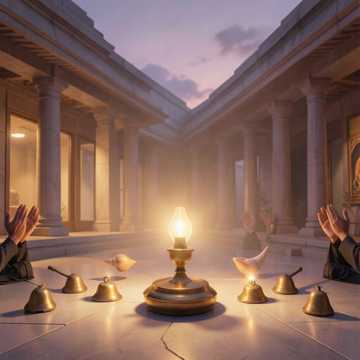
Ramanuja Mangala
A meditative devotional bhajan featuring steady temple claps, warm dholak, ethereal tanpura, and collective chants, evoking a serene, sacred atmosphere ideal for worship or reflective moments.
03:36
Invalid date
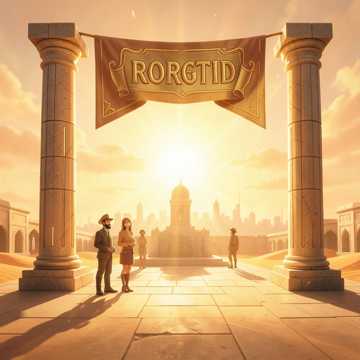
ثلاثة أسود
أغنية خليجية ترفع أسماء رجال شجعان ووفاءهم، بمزيج من الطبول السريعة والهتافات الجماعية، تحتفي بالشرف والعائلة والكرم.
03:00
Invalid date
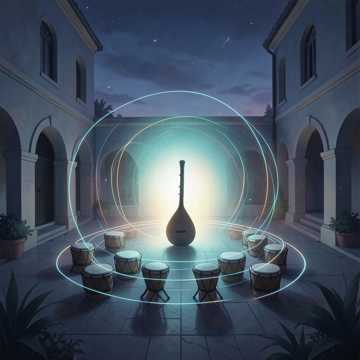
leee
A spiritual Turkish Folk-Sufi fusion, 'leee' blends baritone vocals, ney, and rhythmic percussion with a hypnotic male chorus chanting 'Hu Mevlam Hu,' evoking love, awakening, and mystical devotion.
04:19
3 days ago
Comprehensive Introduction to Choral Chant Music
Choral chant is a vocal music tradition that combines the collective power of choir singing with the meditative and spiritual qualities of chant-based composition. Typically performed by ensembles of singers in unison or layered harmonies, Choral chant music is rooted in sacred liturgical traditions and has evolved into a broad musical category used in religious ceremonies, cinematic soundtracks, meditation music, classical performances, and contemporary fusion genres. The origins of Choral chant can be traced back to early Christian liturgical music, especially Gregorian chant developed in medieval Europe between the 8th and 10th centuries. Gregorian chant emphasized monophonic vocal lines sung in Latin and became foundational to Western sacred music. Over time, Choral chant expanded through Renaissance polyphony, Byzantine chant traditions, Orthodox liturgical music, and modern neo-choral compositions. During the Renaissance, composers introduced multi-voice harmonization, creating rich textures that transformed simple chant melodiesChoral Chant Overview into elaborate choral works. In modern music culture, Choral chant continues to evolve through cinematic orchestration, ambient sacred music, world music fusion, and experimental vocal ensembles. Today, Choral chant is widely recognized for its ethereal atmosphere, spiritual resonance, emotional depth, and immersive sonic experience, making it popular across classical music audiences, film composers, meditation practitioners, and video game soundtrack creators.
Choral Chant Sub-tags and Classifications
Gregorian Chant
Gregorian Chant is the most historically significant form of Choral chant music. Originating in medieval Catholic liturgy, it features monophonic, unaccompanied vocal melodies sung in Latin. Known for its serene and meditative qualities, Gregorian Chant emphasizes free rhythm, modal scales, and spiritual devotion. It remains widely used in churches, meditation recordings, and cinematic soundtracks that require a sacred or ancient atmosphere.
Byzantine Chant
Byzantine Chant is a sacred vocal tradition associated with Eastern Orthodox Christianity. Unlike Gregorian Chant, Byzantine Chant uses highly ornamented melodic structures and microtonal vocal expressions. The music often features drone accompaniment known as the 'ison,' creating a hypnotic and mystical sound. Byzantine Choral chant is especially valued for its spiritual intensity and historical significance.
Polyphonic Choral Chant
Polyphonic Choral chant developed during the Renaissance when composers began layering multiple vocal lines together. This sub-tag combines traditional chant melodies with sophisticated harmonization techniques. Polyphonic Choral chant creates expansive sonic textures that convey grandeur, solemnity, and emotional complexity. It is commonly performed in concert halls, cathedrals, and classical music festivals.
Liturgical Choral Music
Liturgical Choral chant refers to vocal compositions specifically created for religious ceremonies and worship services. These works may include masses, hymns, psalms, and sacred anthems performed by church choirs. The genre spans Catholic, Orthodox, Anglican, and Protestant traditions, blending spiritual text with reverent musical arrangements.
Ambient Choral Chant
Ambient Choral chant combines traditional choir vocals with atmospheric electronic textures and soundscapes. This modern classification is frequently used in meditation music, wellness environments, fantasy films, and relaxation playlists. Ambient Choral chant emphasizes emotional immersion, spacious production, and spiritual ambiance.
Epic Cinematic Choral Chant
Epic Cinematic Choral chant is a contemporary sub-genre widely used in movie trailers, fantasy films, historical dramas, and video game soundtracks. It combines large-scale choir arrangements with orchestral instrumentation, percussion, and dramatic harmonies. This style creates feelings of heroism, mystery, tension, and transcendence.
Folk and Ethnic Choral Chant
Folk and Ethnic Choral chant incorporates regional vocal traditions from cultures around the world. Examples include Georgian polyphonic singing, Tibetan Buddhist chants, Slavic Orthodox choir music, and Nordic vocal chants. These styles preserve cultural heritage while influencing modern world music and experimental choral compositions.
Famous Artists and Classic Works in Choral Chant Music
Hildegard von Bingen
Hildegard von Bingen was a medieval composer, mystic, and abbess whose sacred vocal works became foundational to early Choral chant traditions. Her compositions such as 'Ordo Virtutum' blended spiritual poetry with soaring melodic lines, influencing sacred music for centuries. She is recognized as one of the earliest known female composers in Western music history.
Dies Irae
Dies Irae is one of the most iconic pieces associated with medieval Choral chant traditions. Originally part of the Catholic Requiem Mass, the composition features dramatic melodic progression and apocalyptic themes. Its haunting tonal structure has inspired countless film scores, orchestral works, and modern choral adaptations.
Giovanni Pierluigi da Palestrina
Palestrina was a Renaissance composer celebrated for refining polyphonic Choral chant and sacred choral music. His masses and motets demonstrated exceptional vocal clarity and harmonic balance, helping shape Catholic liturgical music during the Counter-Reformation.
Miserere mei, Deus
Composed by Gregorio Allegri, 'Miserere mei, Deus' is a masterpiece of sacred Choral chant and Renaissance polyphony. The work is celebrated for its ethereal soprano passages, layered harmonies, and spiritual intensity. Its cathedral acoustics and emotional atmosphere continue to captivate audiences worldwide.
Thomas Tallis
Thomas Tallis was a prominent English composer known for blending Gregorian influences with Renaissance choral innovation. His sacred works introduced emotional depth and intricate harmonization that became highly influential in Anglican church music.
Spem in alium
Thomas Tallis created 'Spem in alium' as a monumental 40-part choral composition. This work pushed the boundaries of Choral chant and Renaissance vocal arrangement through spatial choir organization and intricate harmonic interplay. It remains one of the most technically ambitious choral works ever composed.
Arvo Part
Arvo Part revolutionized modern Choral chant through his minimalist 'tintinnabuli' style. Works such as 'Te Deum' and 'Berliner Messe' combine sacred simplicity with profound emotional resonance, making him one of the most influential contemporary sacred composers.
Te Deum
Arvo Part's 'Te Deum' represents a modern interpretation of sacred Choral chant aesthetics. Combining minimalist composition techniques with drone textures and choir resonance, the work creates a timeless spiritual atmosphere that bridges ancient chant traditions and contemporary classical music.
Enigma
The musical project Enigma popularized Gregorian-inspired Choral chant in mainstream electronic and ambient music during the 1990s. By blending chant samples with electronic rhythms and atmospheric production, Enigma introduced sacred choral aesthetics to global pop audiences.
Sadeness (Part I)
Enigma's 'Sadeness (Part I)' transformed Gregorian-inspired Choral chant into a mainstream global phenomenon. The track fused sacred vocal samples with electronic beats and ambient production, demonstrating how ancient chant traditions could successfully integrate into modern popular music.
Eric Whitacre
Eric Whitacre is a modern choral composer known for cinematic harmonies and immersive choir textures. His innovative use of virtual choirs and emotionally rich compositions has expanded the reach of Choral chant-inspired contemporary choral music.
Application Scenarios of Choral Chant Music
Choral chant music is extensively used in fantasy, historical, religious, and science fiction films to create emotional intensity and spiritual depth. Epic choir arrangements help establish grandeur, mystery, and dramatic tension in cinematic storytelling.
Movie Soundtracks
Many fantasy and role-playing video games incorporate Choral chant in battle themes, temple environments, and cinematic cutscenes. The genre enhances immersion by adding a mystical, ancient, or heroic atmosphere to gameplay experiences.
Video Game Background Music
Ambient Choral chant is commonly featured in meditation playlists, yoga studios, spa environments, and mindfulness applications. Its slow-moving harmonies and sacred vocal textures promote relaxation, concentration, and emotional balance.
Meditation and Wellness Music
Traditional Choral chant remains central to many religious services, including Catholic masses, Orthodox liturgies, and Anglican choir performances. The music supports spiritual reflection, communal worship, and ceremonial grandeur.
Religious Ceremonies
Luxury brands, cinematic advertisements, and high-end product campaigns often use Choral chant music to evoke sophistication, timelessness, and emotional impact. The powerful choir sound creates memorable auditory branding.
Advertising and Brand Campaigns
Historical documentaries and cultural programs frequently use Choral chant to reinforce themes of antiquity, spirituality, and historical authenticity. Gregorian and Byzantine chant styles are especially effective in medieval and religious documentaries.
Documentaries and Historical Productions
Choral chant music is widely performed in cathedrals, concert halls, and sacred spaces due to its strong acoustic qualities. Large choir performances create immersive sonic experiences that emphasize reverberation, harmony, and emotional transcendence.
Live Concerts and Cathedral Performances