Free Medieval Theme Music Generator Powered by AI
Turn text into high-quality Medieval Theme music effortlessly – no login required!

music.toolTips
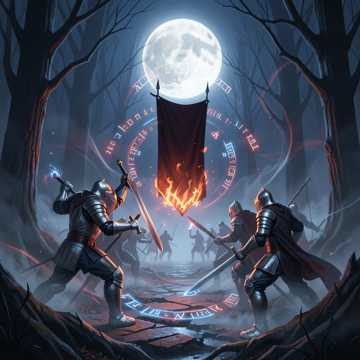
Кр
Эпический симфонический рок о любви и долге, где крестоносец и магическая героиня сталкиваются с религиозными и магическими конфликтами, ведя душевную дуэль под драматический оркестр и роковые гитарные рифы.
03:30
Invalid date
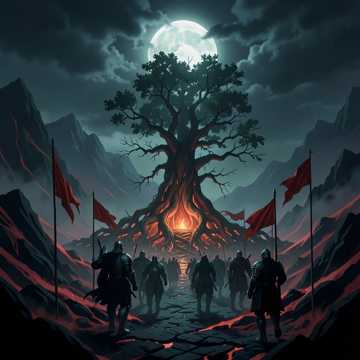
Крестоносцы
Эпическая история верности и конфликта, где крестоносцы сталкиваются с религиозными и личными противоречиями под огнём битвы и лирической симфонической музыки.
04:15
Invalid date
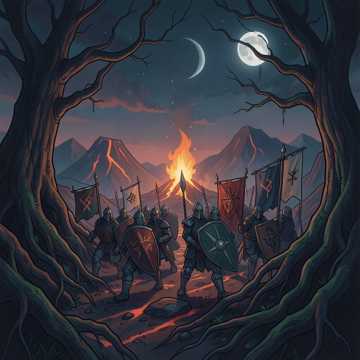
Крестоносцы
Эпическая история о крестовых походах, столкновении вер и личной судьбы, с драматическим дуэтом и оркестровым сопровождением, где любовь и долг разрываются на фоне битвы и магии.
03:22
Invalid date

Проходная пешк
Медленный русский романс о героическом воине, его смелости и трагической судьбе, переплетённый с предательством, королевскими интригами и вечными человеческими ценностями.
03:45
4 days ago
Introduction to Medieval Theme Music
Medieval Theme music refers to compositions and musical styles inspired by the medieval period, roughly spanning from the 5th to the 15th century in Europe. Characterized by its use of modal scales, monophonic and early polyphonic textures, and historical instruments such as the lute, harp, hurdy-gurdy, and recorder, Medieval Theme music captures the atmosphere of castles, knights, and medieval folklore. Historically, it emerged from Gregorian chants, secular songs of troubadours and trouvères, and early courtly music. Over time, Medieval Theme music has influenced classical compositions and modern interpretations in film, games, and cultural performances, retaining its distinctive historic and nostalgic essence.
Sub-tags and Classifications of Medieval Theme Music
Gregorian Chant
Gregorian Chant is one of the earliest forms of Medieval Theme music, characterized by monophonic, unaccompanied vocal lines. Typically performed in Latin for liturgical purposes, Gregorian chants emphasize spiritual ambiance and solemnity, laying the foundation for Western music notation and modal theoryMedieval Theme Music Overview.
Troubadour and Trouvère Songs
These secular Medieval Theme songs were performed by traveling poet-musicians in France. Often focused on themes of chivalry, love, and heroic tales, troubadour and trouvère music incorporates melodic storytelling and simple instrumental accompaniment, reflecting the cultural life of medieval courts and towns.
Instrumental Medieval Music
This classification highlights purely instrumental works using period instruments such as the lute, vielle, hurdy-gurdy, psaltery, and early flutes. Instrumental Medieval Theme music ranges from dance tunes to ceremonial fanfares, often featuring repetitive modal patterns and rhythmic simplicity.
Medieval Folk Music
Medieval folk music includes the traditional songs of peasants and commoners. It is characterized by storytelling, regional instruments, and melodies that were passed orally. This sub-tag emphasizes the cultural diversity of medieval Europe and offers a lively, authentic flavor of the period.
Sacred Polyphony
Sacred polyphony developed during the late medieval period, featuring multiple independent vocal lines sung simultaneously. Composers like Guillaume de Machaut advanced complex structures that inspired later Renaissance music, combining spiritual depth with intricate musical craftsmanship.
Famous Artists and Classic Works of Medieval Theme Music
Guillaume de Machaut
A prominent French composer and poet of the 14th century, Machaut significantly contributed to the development of polyphonic Medieval Theme music. His masterpieces, including the 'Messe de Nostre Dame,' combined intricate vocal harmonies with profound religious expression, influencing European sacred music for generations.
Messe de Nostre Dame
Composed by Guillaume de Machaut, this iconic work exemplifies medieval sacred polyphony. Its structure integrates four-part harmony, rhythmic complexity, and modal melodies, showcasing the technical and spiritual depth of Medieval Theme music. It remains a reference point for understanding medieval mass settings.
Hildegard von Bingen
Hildegard von Bingen, a German abbess and visionary, created unique Gregorian-style chants that infused Medieval Theme music with mysticism and spiritual intensity. Works like 'Ordo Virtutum' exemplify her innovative approach to monophonic vocal music and early theatrical expression.
Ordo Virtutum
Hildegard von Bingen's 'Ordo Virtutum' is a morality play set to monophonic chant, blending theatrical narrative with spiritual music. Its innovative use of solo and chorus sections conveys moral themes while maintaining the meditative qualities characteristic of Medieval Theme music.
John Dowland
Though slightly later in history, Dowland was a Renaissance composer whose lute music reflects the lingering influence of Medieval Theme music. His melancholic instrumental pieces evoke the medieval atmosphere of romance and courtly love.
Estampie
Estampie is a lively medieval dance tune often performed instrumentally. It features repetitive, rhythmic patterns suitable for dancing and entertainment in courts and public festivals, representing the secular and celebratory side of Medieval Theme music.
Anonymous Medieval Ensembles
Many anonymous composers and performers preserved the essence of Medieval Theme music through folk songs, dances, and courtly performances. Groups specializing in historical recreation today continue to bring these works to modern audiences.
Sumer Is Icumen In
This famous English round exemplifies early polyphonic Medieval Theme music. Its canon structure, joyful melody, and pastoral imagery highlight both technical innovation and cultural storytelling in medieval secular compositions.
Application Scenarios for Medieval Theme Music
Medieval Theme music is frequently used in historical films, fantasy epics, and period dramas to evoke the atmosphere of medieval Europe. Its authentic instrumentation and modal melodies help immerse viewers in the setting of castles, knights, and medieval life.
Film and TV Soundtracks
Fantasy and RPG games often incorporate Medieval Theme music to enhance gameplay immersion. Music featuring lutes, harps, and flutes creates an authentic medieval ambiance in towns, dungeons, and battlefields.
Video Game Background Music
Medieval Theme music is commonly used in stage productions, reenactments, and medieval fairs to provide period-accurate soundscapes. Chanting, instrumental pieces, and dance tunes contribute to a historically enriched theatrical experience.
Theatrical Performances
Brands sometimes use Medieval Theme music in commercials to convey tradition, craftsmanship, or nostalgia. The distinct tonal qualities of medieval instruments evoke authenticity and timeless elegance.
Advertising and Marketing
Due to its contemplative and spiritual qualities, Medieval Theme music can be applied in meditation sessions or educational programs, helping listeners explore historical culture while fostering relaxation and focus.
Meditation and Historical Education