Free Monastic Music Generator Powered by AI
Turn text into high-quality Monastic music effortlessly – no login required!

music.toolTips
Пепел над полем
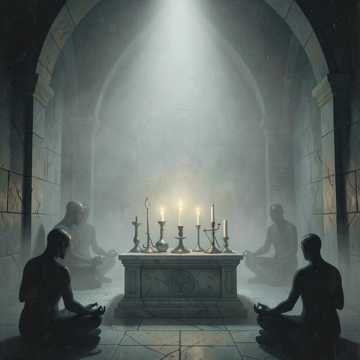
A dark, cinematic ritual drone piece featuring bagpipes, viola da gamba, and monastic choirs. Its slow, meditative pace evokes a haunting atmosphere, invoking themes of ancient rituals and somber reflection.
06:30
1 days ago
Introduction to Monastic Music: Origins, History, and Influence
Monastic music refers to the sacred and ritualistic music associated with monastic life, particularly within religious communities such as monasteries. Its origins trace back to the early Christian Church, where chanting was central to monastic worship. The development of this music was strongly influenced by liturgical practices, with Gregorian chant being one of the most well-known early forms. Over centuries, monastic music evolved through the integration of harmonies, polyphony, and various regional styles. It is often characterized by its meditative, spiritual, and contemplative qualities, used to enhance religious ceremonies and create an atmosphere of devotion.
Sub-tags and Classifications of Monastic Music
Gregorian Chant
Gregorian chant is one of the most iconic forms of monastic music, developed in the medieval period. It consists of plainchant, which is unaccompanied vocal music sung in Latin. This style was named after Pope Gregory I and was used predominantly in Christian liturgical settings. Gregorian chant has a unique, flowing quality and is often performed in a monophonic styleMonastic Music Overview, meaning there is only one melodic line without accompaniment or harmony.
Cistercian Chant
Cistercian chant is a variation of Gregorian chant that developed in the Cistercian monasteries during the 12th century. It tends to be more austere and minimalistic compared to other chant traditions, emphasizing simplicity and meditative qualities. Cistercian chant played a vital role in the monastic tradition and is known for its deeply spiritual atmosphere.
Medieval Polyphony
Medieval polyphony emerged in the late Middle Ages and introduced the concept of multiple independent voices singing different melodies at the same time. In monastic music, this style began to take shape as composers sought to enrich the chanting tradition with more complex textures. While Gregorian chant remained foundational, medieval polyphony added a layer of harmonic depth to the liturgical music of the time.
Contemplative Ambient Music
Modern interpretations of monastic music often lean toward ambient soundscapes that evoke tranquility and spiritual reflection. These contemporary works draw inspiration from traditional monastic chanting but often incorporate modern electronic elements, sound design, and environmental sounds to create immersive auditory experiences. This sub-genre is popular in meditation practices and spiritual retreats.
Famous Artists and Classic Works in Monastic Music
Hildegard von Bingen
Hildegard von Bingen was a 12th-century abbess, mystic, and composer whose works are considered among the earliest examples of monastic music. She composed a vast body of liturgical music, including hymns and chants, which are still performed today. Her unique approach to monastic music combined religious devotion with a deep connection to nature, and her works remain a significant part of the monastic tradition.
Antiphons of the Divine Office
The 'Antiphons of the Divine Office' are a set of Gregorian chants sung by monks during the Liturgy of the Hours. These antiphons are carefully structured to provide a meditative framework for daily prayer. The music is characterized by its simple yet profound melodies, which serve as a backdrop for contemplative worship. The antiphons were created to help the monks maintain a spiritual connection with the divine throughout the day.
Guido of Arezzo
Guido of Arezzo was an influential medieval music theorist and composer whose work laid the foundations for Western music notation. His innovations, such as the development of the staff and the Guidonian hand, revolutionized the way monastic music was written and performed. Guido's contributions helped standardize chant and made it easier for monks to learn and perform liturgical music across different regions.
O Sacrum Convivium by Thomas Tallis
'O Sacrum Convivium' is a motet by the English composer Thomas Tallis, one of the most prominent figures in the development of sacred choral music. Though written in the Renaissance period, this work is deeply rooted in the monastic tradition. The motet's rich harmonies and intricate counterpoint elevate the simple chant tradition, reflecting the sacredness of the Eucharist and the monastic experience of divine communion.
Benedictine Monks of Santo Domingo de Silos
The Benedictine monks of Santo Domingo de Silos in Spain are renowned for their recordings of Gregorian chant. Their albums, such as 'Chant,' have gained global recognition and played a key role in the resurgence of interest in monastic music during the 1990s. Their interpretation of Gregorian chant showcases the rich spiritual depth of this ancient musical form.
Miserere Mei, Deus by Gregorio Allegri
The 'Miserere Mei, Deus' is one of the most famous pieces of sacred music from the Baroque period. Though composed after the medieval monastic period, its hauntingly beautiful choral harmonies and use of Gregorian chant influences make it a classic example of monastic-inspired music. Its performance in the Sistine Chapel became an annual event, showcasing the enduring influence of monastic musical traditions.
Application Scenarios for Monastic Music
Monastic music is frequently used in film soundtracks to evoke a sense of spirituality, isolation, or historical depth. For example, the use of Gregorian chant in movies like 'The Name of the Rose' helps to create an atmosphere of monastic life during the medieval period. The deep, resonant chants connect viewers with a sense of sacred ritual and contemplative mystery.
Film Soundtracks
Monastic music can also be found in advertising, where it is used to convey a message of tranquility, inner peace, or spiritual wellness. Advertisements for products related to health, meditation, or luxury often use monastic-inspired ambient sounds to enhance the emotional impact of their messaging.
Advertising Music
In video games, especially those with medieval, fantasy, or spiritual themes, monastic music is used to create a serene or atmospheric environment. Games like 'The Elder Scrolls' series incorporate monastic-inspired chants and ambient sounds to immerse players in a world where divine forces and ancient rituals play a significant role.
Video Game Background Music