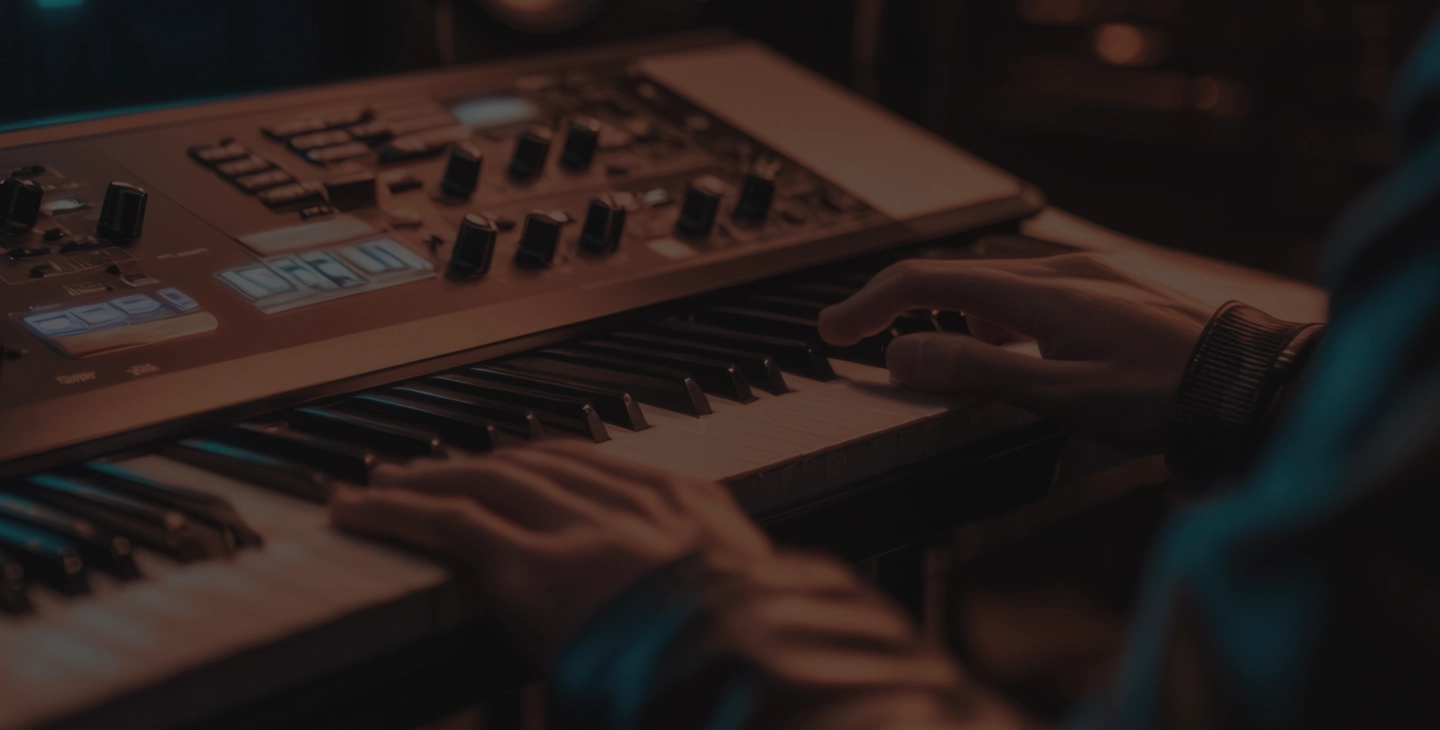
Free Piano layers Music Generator Powered by AI
Turn text into high-quality Piano layers music effortlessly – no login required!

music.toolTips
Piano Layers Music: Definition, Origins, History, and Evolution of Layered Piano Sound
Piano Layers is a music tag that describes compositions, productions, or sound design techniques built around multiple overlapping piano parts, textures, harmonics, and rhythmic patterns. Unlike traditional solo piano music that focuses on a single melodic performance, Piano Layers music emphasizes depth, atmosphere, motion, and emotional complexity by stacking several piano recordings, piano articulations, processed piano tones, or complementary harmonic layers. The core concept of Piano Layers involves combining melodic piano lines, ambient piano textures, sustained chords, rhythmic ostinatos, reverse piano effects, and resonance-based tonal elements into a unified musical landscape. The origins of Piano Layers can be traced back to minimalist classical composers in the 1960s and 1970s, when artists began experimenting with repetitive piano motifs and gradual harmonic evolution. Composers such as Steve Reich and Philip Glass helped establish the foundation for layered piano composition by using repeating patterns and interPiano Layers Music Overviewlocking phrases. During the 1990s and early 2000s, the development of digital audio workstations, multi-track recording, and advanced sampling technologies allowed composers and producers to expand Piano Layers into film scoring, ambient music, neo-classical composition, electronic production, and cinematic sound design. Today, Piano Layers has become an important music tag in modern instrumental music, meditation music, soundtrack production, game audio, emotional storytelling, and atmospheric content creation.
Piano Layers Sub-tags, Styles, and Classification of Layered Piano Music
Ambient Piano Layers
Ambient Piano Layers focuses on atmospheric piano textures, long reverb tails, soft harmonic movement, and spacious sonic environments. This type of Piano Layers music often includes sustained chords, processed piano resonance, and subtle background textures designed to create calm, introspective, or meditative emotional experiences. Ambient Piano Layers is commonly used in relaxation playlists, mindfulness applications, and cinematic emotional scenes.
Cinematic Piano Layers
Cinematic Piano Layers combines layered piano performances with orchestral textures, evolving harmonies, dramatic chord progressions, and emotional crescendos. This classification of Piano Layers is designed for storytelling and visual synchronization. Cinematic Piano Layers often features deep bass piano notes, high-register melodic motifs, and rhythmic pulse patterns, making it ideal for film scores, trailers, and documentary soundtracks.
Minimalist Piano Layers
Minimalist Piano Layers emphasizes repetition, gradual transformation, and subtle harmonic shifts. Multiple piano phrases are layered in cyclical patterns to create hypnotic motion and evolving emotional tension. This Piano Layers sub-tag is influenced by minimalism and is often used in art installations, contemporary classical performances, and focus music.
Neo-Classical Piano Layers
Neo-Classical Piano Layers blends classical composition techniques with modern production. This style features layered piano melodies, intimate microphone recording, dynamic expression, and subtle electronic enhancement. Neo-Classical Piano Layers often balances emotional vulnerability with structural sophistication, making it popular in streaming playlists, independent films, and emotional branding.
Experimental Piano Layers
Experimental Piano Layers explores unconventional recording methods, prepared piano sounds, reverse samples, granular processing, and hybrid acoustic-electronic textures. This sub-tag pushes the boundaries of traditional piano composition by transforming piano tones into abstract sonic environments, commonly used in avant-garde media and immersive installations.
Rhythmic Piano Layers
Rhythmic Piano Layers focuses on percussive piano patterns, syncopated motifs, layered ostinatos, and pulse-driven harmonic structures. Multiple piano performances interact rhythmically to create movement and energy. This style is frequently used in game music, motivational advertising, and modern documentary scoring.
Famous Piano Layers Artists, Influential Composers, and Classic Layered Piano Works
Philip Glass
Philip Glass is one of the foundational composers influencing Piano Layers music through minimalist repetition and harmonic layering. Works such as 'Metamorphosis' and 'Glassworks' demonstrate how repeating piano motifs can create evolving emotional landscapes. His contribution established many structural principles now associated with Piano Layers composition.
Metamorphosis by Philip Glass
This iconic composition demonstrates the early foundations of Piano Layers through repetitive motifs, harmonic cycling, and gradual structural transformation. The layered phrasing creates hypnotic momentum while maintaining emotional depth. Its minimalist architecture remains highly influential in Piano Layers composition.
Ludovico Einaudi
Ludovico Einaudi brought Piano Layers into mainstream contemporary music through emotionally driven layered piano compositions. Works such as 'Nuvole Bianche,' 'Una Mattina,' and 'Experience' showcase melodic layering, gradual dynamic expansion, and cinematic emotional storytelling. His influence has shaped modern Piano Layers production in film and streaming media.
Nuvole Bianche by Ludovico Einaudi
This work showcases emotional Piano Layers through repeated chord patterns, evolving melodic ornamentation, and dynamic layering. The composition balances simplicity with emotional intensity, making it one of the most recognizable examples of contemporary layered piano music.
Nils Frahm
Nils Frahm expanded the Piano Layers genre by integrating acoustic piano, felt piano, synthesizers, and studio manipulation. Works like 'Says,' 'Ambre,' and 'Felt' demonstrate how Piano Layers can blend intimacy with experimental production. His techniques have inspired a new generation of hybrid composers.
Says by Nils Frahm
This piece expands the Piano Layers concept through the combination of acoustic piano textures, electronic processing, rhythmic repetition, and atmospheric build-up. The gradual layering process creates a deeply immersive listening experience and demonstrates the genre's modern production possibilities.
Max Richter
Max Richter uses Piano Layers as a core element of cinematic composition. Works such as 'On the Nature of Daylight' and 'Sleep' combine layered piano motifs with orchestral and ambient textures. His contribution has defined the emotional cinematic side of Piano Layers music.
On the Nature of Daylight by Max Richter
This composition integrates Piano Layers with orchestral harmonics, emotional pacing, and cinematic tension. The layered piano foundation supports a slowly unfolding emotional narrative, making it a benchmark for soundtrack-oriented Piano Layers music.
Olafur Arnalds
Olafur Arnalds combines classical piano layering with subtle electronics and string arrangements. Albums such as 're:member' and 'Living Room Songs' demonstrate innovative uses of Piano Layers for emotional storytelling, modern classical performance, and multimedia synchronization.
Near Light by Olafur Arnalds
This work uses delicate Piano Layers, ambient textures, and intimate recording techniques to create a deeply personal sonic atmosphere. Its combination of acoustic purity and subtle production innovations highlights the versatility of modern Piano Layers.
Application Scenarios of Piano Layers Music in Film, Games, Advertising, and Digital Media
Piano Layers music is widely used in film soundtracks to support emotional storytelling, character development, and dramatic transitions. Layered piano textures can communicate nostalgia, tension, hope, loss, and introspection while maintaining cinematic continuity. Many drama, documentary, and independent films rely on Piano Layers for emotional authenticity.
Film Soundtracks
In video game audio design, Piano Layers creates immersive emotional environments for exploration, storytelling, puzzle solving, and narrative progression. Layered piano motifs can adapt to gameplay intensity, environmental changes, and character arcs, making Piano Layers an effective tool in modern game scoring.
Game Background Music
Brands frequently use Piano Layers music in commercials, product launches, and corporate storytelling videos. The emotional clarity and sophistication of layered piano compositions help establish trust, inspiration, and premium brand identity while enhancing audience engagement.
Advertising and Brand Campaigns
Piano Layers music is commonly used in meditation apps, yoga classes, mindfulness sessions, and therapeutic environments. Ambient Piano Layers create calming sonic spaces that promote concentration, relaxation, emotional balance, and mental clarity.
Meditation and Wellness Applications
Content creators use Piano Layers music in cinematic vlogs, travel videos, storytelling reels, educational content, and emotional short films. Layered piano tracks help enhance narrative flow, audience retention, and emotional connection across digital platforms.
Social Media and Content Creation
Piano Layers music supports professional presentations, inspirational speeches, corporate documentaries, and educational productions. The layered structure provides emotional momentum without distracting from spoken content, making it ideal for informative visual storytelling.
Corporate Presentations and Documentaries