Free Rubab Music Generator Powered by AI
Turn text into high-quality Rubab music effortlessly – no login required!

music.toolTips
د اقبال نامه
A tribute to Iqbal Ahmad, celebrating his dreams, resilience, and hometown pride through rich Pashto folk-pop melodies and communal, chantable choruses.
03:50
Invalid date
د سین غاړه
دا سندره د سیند پر غاړه د بېلتون، یادونو او خاموش درد کیسه بیانوي. نرم Afro-Pashto groove، رباب او ژور اوازونه د یو داسې عاشق احساسات راژوندي کوي چې لا هم د خپل محبوب د راستنېدو په تمه دی.
02:50
Invalid date
پېښور ته لاړ شه
A Pashto pop-folk song capturing longing and devotion, as the singer invites a loved one to Peshawar, blending intimate verses with uplifting, communal choruses full of rhythmic energy.
04:14
11 hours ago
Sabrning Nuri
'Sabrning Nuri' celebrates patience, resilience, and companionship, combining intimate verses with an uplifting chorus that motivates listeners to embrace challenges and move forward with hope and determination.
04:13
20 hours ago
Grza Lewanay
A Pashto folk-pop instrumental journey with intimate rubab verses, rising chants, and full percussion choruses, evoking both heartfelt introspection and celebratory energy.
02:46
Invalid date
Shafi Che
A soulful Pashto folk-pop song expressing deep longing and love, combining intimate rubab phrases with driving dhol rhythms and aching, echoed vocals.
02:21
Invalid date

چشمهای کابل
این آهنگ داستان عشقی عمیق و وفادارانه را در فضای شبهای کابل روایت میکند؛ جایی که راوی با صدایی صمیمی و بیتهای آرام ترپ، دلتنگی، آرامش و امید را در آغوش معشوق جستجو میکند.
03:59
1 days ago
مسعود جانی شیردل
این آهنگ روایتی گرم و شوخطبع از دوستی، عشق و شادی جمعی است که با فضای پاپفولک افغانی، همخوانیهای پرانرژی و ملودیهای صمیمی، حس جشن، امید و نزدیکی دلها را زنده میکند.
04:05
1 days ago
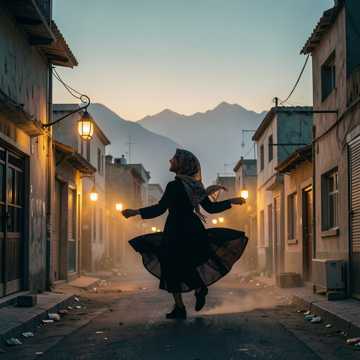
دخترِ کابل
'دخترِ کابل' blends Afghan hip-hop with traditional motifs, celebrating a young Kabul girl whose dance and presence bring light, warmth, and hope to her city, capturing cultural pride and emotional intimacy.
02:59
Invalid date
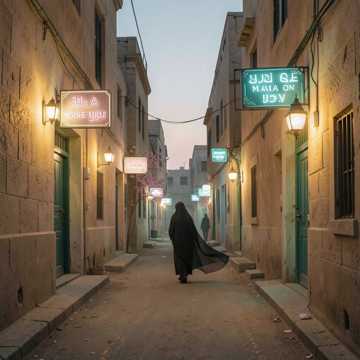
دختر کابل
A tender tribute to a beloved Kabul girl, blending intimate male vocals, rubab melodies, and qawwali echoes, evoking love, nostalgia, and the timeless charm of Afghan streets.
02:30
Invalid date
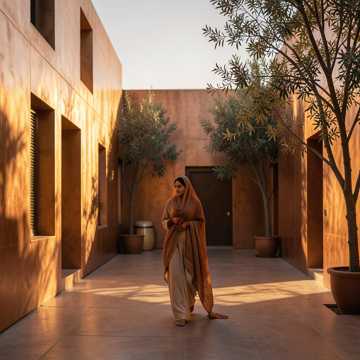
Kabuli Girl
'Kabuli Girl' is a romantic Afghan folk-pop song capturing love, cultural pride, and intimate city life, enriched with rubab, tabla, and gentle vocal harmonies that evoke warmth and nostalgia.
03:43
Invalid date
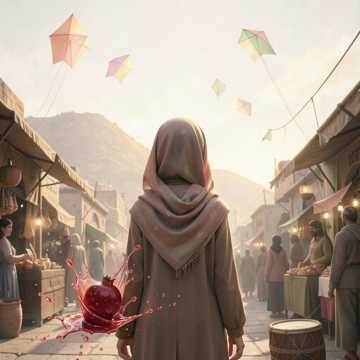
Kabul Kites
A tender tale of youthful infatuation set in Kabul, merging hip-hop beats with traditional Afghan instrumentation, celebrating fleeting glances, laughter, and the vibrant spirit of the city.
02:34
Invalid date
Speen Makh Shpa
A Pashto fusion ballad exploring the depths of passionate love, contrasting intimate, reflective verses with expansive, chantable choruses, enriched by traditional instruments and warm, emotive production.
03:21
2 days ago
Сад барги сафед
Ин суруд достони дилест, ки дар интизори муҳаббати гумшуда мемонад. Бо образҳои 'сад барги сафед' ва фазои меланхолии поп-баллада, тарона эҳсоси танҳоӣ, умед ва ишқи ногуфтаро зинда месозад.
03:27
2 days ago
Khabar
Khabar weaves Pashto pop with Afghan folk instruments, narrating love, longing, and the emotional journey of separation and reunion, highlighted by rubab, violin, and rhythmic percussion.
03:03
Invalid date
د ټپې شپه
یو ژور، مینه ناک پښتو فولکلوري بالاد چې د یار د نشتوالي درد او د راتګ هیله په شپو کې انځوروي، د Rubab او Mangeyan نرمې سازي سره.
03:08
Invalid date
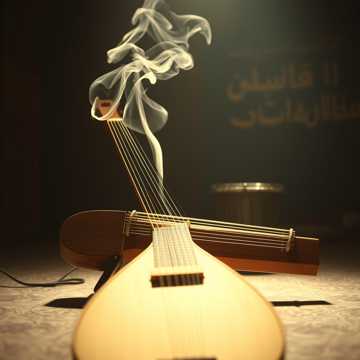
Raga of Khyber
A soulful Pashto classical fusion piece, 'Raga of Khyber' weaves poetic heritage with rubab melodies, tabla rhythms, and emotive vocals, evoking nostalgia, reverence, and a meditative journey through ancestral memory.
03:40
3 days ago
گُلِ اوسای
A deeply emotional Afghan pop ballad, 'گُلِ اوسای' expresses longing, devotion, and heartache through intimate verses and soaring choruses, blending traditional rubab and hand drums with modern melodic sensibilities.
04:14
4 days ago
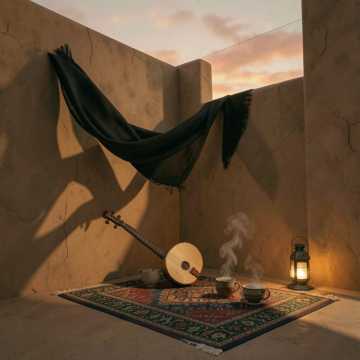
چادر سیاه باد
یک ترانه عاشقانه و روحانی با ریتم ملایم فولک-پاپ افغان که وفاداری و عشق جاودانه را ستایش میکند، با اجرای احساسی و فضای صمیمی.
04:11
4 days ago
Introduction to the Rubab: Definition, Origins, and Cultural Evolution
The Rubab (also spelled Rabab or Rebab) is a traditional stringed instrument widely recognized across Afghanistan, Pakistan, Iran, and parts of Central Asia. Known as the 'lion of instruments,' the Rubab is carved from a single piece of mulberry wood and traditionally uses goat-skin parchment and gut strings to create its distinctive, warm, and resonant tonal quality. Historically, the Rubab is believed to have originated in Central Asia as early as the 7th century, deeply influencing the development of other regional instruments such as the Persian Kamancheh and the Indian Sarod. Throughout history, the Rubab has held a significant place in folk music, classical traditions, Sufi rituals, and storytelling performances, making it a cornerstone of Afghan and Pashtun musical heritage.
Sub-tags and Classifications of the Rubab Instrument
Afghan Rubab
The Afghan Rubab is the most widely recognized form of the instrument. It features three main melody strings, two or three drone strings, and nearly a dozen sympathetic strings.Rubab music content generation Its rich, earthy resonance makes it particularly suitable for traditional Afghan classical compositions and folk melodies.
Kashmiri Rubab
The Kashmiri Rubab is slightly smaller and produces a brighter tone. It is often used in regional folk dances, devotional Sufi music, and ceremonial occasions. The structural design of the Kashmiri Rubab emphasizes melodic clarity over deep resonance.
Baluchi Rubab
Popular in Baluchistan (Pakistan/Iran), the Baluchi Rubab typically has fewer sympathetic strings and a more simplified tuning system. Its sound is raw and energetic, making it common in storytelling, poetry recitation, and nomadic musical traditions.
Tajik / Pamiri Rubab
Used in Tajikistan and the Pamir region, this Rubab variant features unique body proportions and tuning styles. It accompanies traditional dances and vocal performances, often blending ancient Persian tonal systems with local musical aesthetics.
Famous Rubab Artists and Iconic Works
Ustad Mohammad Omar
Known as the 'Father of the Afghan Rubab,' Ustad Mohammad Omar significantly expanded the instrument's presence on global stages. His virtuosity and complex improvisational passages helped elevate traditional Afghan Rubab music into the realm of world classical music. His recordings in Afghanistan and his performances at U.S. universities have preserved a vast repertoire of Rubab compositions.
Afghan Traditional: 'Kataghani'
'Kataghani' is a lively Afghan Rubab piece often performed at celebrations. The composition features rapid rhythmic plucking, drone accents, and bright melodic passages. Its structure demonstrates the Rubab’s ability to transition smoothly between rhythmic drive and lyrical expression.
Homayoun Sakhi
Homayoun Sakhi is celebrated for modernizing Rubab technique while preserving its cultural roots. His innovative fingerwork, extended melodic phrasing, and collaborations with orchestras worldwide—including the Kronos Quartet—have introduced Rubab music to contemporary audiences.
Homayoun Sakhi – 'The Art of the Afghan Rubab'
This modern composition and performance series showcases Sakhi's mastery of advanced Rubab techniques, including rapid tremolo, extended-range playing, and complex melodic improvisation. It pushes the boundaries of traditional Rubab music by merging classical Afghan modes with innovative global influences.
Ustad Daud Khan Sadozai
A master of both the Rubab and the Indian Sarod, Sadozai has contributed to cross-cultural development of plucked-string traditions. His recordings fuse Afghan classical elements with Hindustani influences, showcasing the Rubab’s adaptability.
Ustad Mohammad Omar – 'Radio Afghanistan Sessions'
A historic collection capturing Omar’s traditional repertoire. These sessions highlight the polyphonic resonance of the Rubab’s sympathetic strings and provide a deep look into mid-20th-century Afghan classical performance styles.
Ghulam Mohammad
A renowned Pakistani Rubab player, known for his role in revitalizing Pushto folk music. His performances highlight the emotional depth and storytelling power of Rubab melodies.
Application Scenarios for Rubab Music
Rubab music is widely used in film scores to evoke Central Asian, Middle Eastern, or ancient cultural atmospheres. Its warm, textured sound is ideal for emotional scenes, desert landscapes, historical dramas, and portrayals of nomadic life.
Film and Cinematic Soundtracks
Documentaries focusing on heritage, anthropology, or regional culture often use Rubab tracks to enhance authenticity and emotional depth. The instrument’s historical ties make it an excellent choice for stories centered on migration, tradition, or conflict.
Documentary and Cultural Programming
Rubab music can differentiate brands seeking a handcrafted, authentic, or artisanal aesthetic. Its organic tones pair well with commercials for travel destinations, handmade goods, tea brands, and cultural festivals.
Advertising and Brand Storytelling
In games with themes involving ancient civilizations, desert environments, stealth missions, or Silk Road adventures, Rubab soundtracks create immersive atmospheres. The instrument’s rhythmic capability is also suitable for action sequences or exploration themes.
Video Game Background Music
The calm and resonant timbre of Rubab works beautifully in meditation playlists, yoga studios, and therapeutic sound sessions. It provides grounding energy and a natural acoustic warmth that enhances relaxation.
Meditation and Wellness Music