Free Vintage tone Music Generator Powered by AI
Turn text into high-quality Vintage tone music effortlessly – no login required!

music.toolTips
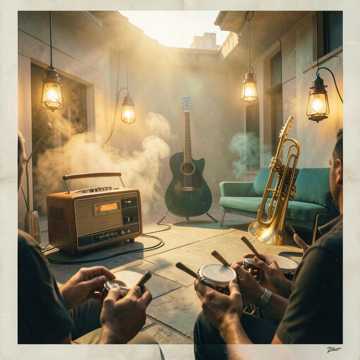
Guayabera y Oro
Una pieza instrumental de son cubano con alma vintage y cadencia relajada. Entre guitarras de nylon, metales brillantes y percusión afrocaribeña, transmite elegancia tropical, nostalgia nocturna y una sensación cálida de celebración íntima.
04:03
14 hours ago
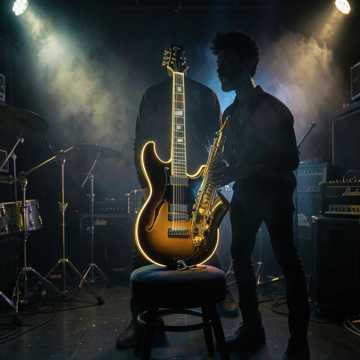
le roi du blues
Hommage poignant à B.B. King, cette fresque blues retrace la douleur, la grandeur et l’héritage du maître à travers un Chicago Blues orchestral, vibrant de cuivres, de vibratos déchirants et d’émotion soul.
07:34
16 hours ago
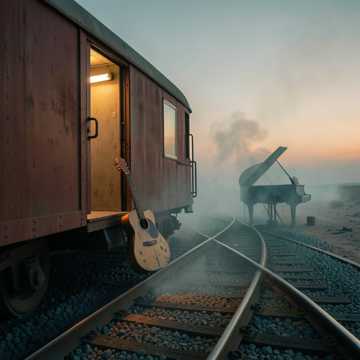
Desert Rail
An instrumental blues-rock track blending gritty electric guitar, walking bass, and honky-tonk piano into a dusty, mid-tempo groove that evokes a cinematic desert journey.
04:37
17 hours ago

Nona Kribo
Lagu ini menggambarkan ketertarikan sederhana namun mendalam kepada seorang gadis berambut kribo di suasana pasar dan gang kecil kota tropis. Dengan reggae lambat yang hangat, lagu terasa santai, genit, nostalgik, dan penuh rasa jatuh cinta diam-diam.
05:05
5 days ago
Comprehensive Introduction to Vintage Tone Music: Definition, Origins, and Evolution
Vintage tone refers to a musical sound aesthetic that recreates, preserves, or draws inspiration from the sonic characteristics of earlier recording eras, typically spanning the 1920s through the 1980s. A vintage tone is recognized by its warm textures, analog saturation, tape coloration, tube-driven harmonics, natural compression, and nostalgic atmosphere. Unlike ultra-clean modern digital production, vintage tone music intentionally embraces imperfections such as tape hiss, vinyl crackle, subtle distortion, room ambience, and hardware coloration to create emotional depth and authenticity. The history of vintage tone began with early analog recording technologies, including ribbon microphones, tube amplifiers, and magnetic tape machines. During the jazz and swing periods of the 1930s and 1940s, musicians recorded using limited technology that naturally created warm and organic sound signatures. In the 1950s and 1960s, vintage tone evolved significantly through rock and blues recordings using analog consolesVintage Tone Music Guide and tube equipment. The 1970s introduced richer studio experimentation with tape effects, while the 1980s blended analog warmth with emerging digital technologies. In contemporary music production, vintage tone has become a highly sought-after sonic identity used by producers and artists seeking emotional resonance, timeless appeal, and retro authenticity. Today, vintage tone remains a major trend in music production, sound design, lo-fi culture, and cinematic audio environments.
Sub-tags and Classifications of Vintage Tone Music
Analog Vintage Tone
Analog vintage tone focuses on sounds generated or emulated through traditional analog equipment such as tape machines, tube amplifiers, analog synthesizers, and hardware consoles. This type of vintage tone emphasizes warmth, saturation, harmonic richness, and natural dynamic behavior. It is commonly used in classic rock, jazz, soul, and modern retro productions.
Lo-Fi Vintage Tone
Lo-fi vintage tone intentionally includes sonic imperfections such as tape noise, vinyl crackle, reduced fidelity, and environmental ambience. This sub-tag creates a nostalgic and intimate listening experience. Lo-fi vintage tone has become highly popular in streaming platforms, study playlists, and atmospheric background music.
Retro Pop Vintage Tone
Retro pop vintage tone combines contemporary songwriting with classic production techniques from earlier decades. This style frequently incorporates vintage synthesizers, disco rhythms, tape processing, and old-school drum sounds. It recreates the sonic identity of music from the 1970s and 1980s while maintaining modern accessibility.
Vintage Jazz Tone
Vintage jazz tone captures the smooth and organic character of early jazz recordings. It often features warm brass instruments, upright bass, piano resonance, and natural room acoustics. Vintage jazz tone evokes elegance and sophistication while preserving historical musical authenticity.
Vintage Guitar Tone
Vintage guitar tone centers around classic guitar sounds produced by tube amplifiers, analog pedals, and historically significant instruments. Characteristics include soft distortion, warm midrange frequencies, and dynamic responsiveness. Vintage guitar tone remains fundamental in blues, classic rock, country, and indie music.
Cinematic Vintage Tone
Cinematic vintage tone combines retro audio textures with orchestral and atmospheric elements to create emotional storytelling environments. This classification frequently appears in films, television productions, and game soundtracks designed to communicate nostalgia, memory, and historical settings.
Famous Artists and Classic Works Associated with Vintage Tone Music
The Beatles
The Beatles revolutionized vintage tone development through groundbreaking studio experimentation and analog recording techniques. Albums such as 'Abbey Road' and 'Sgt. Pepper's Lonely Hearts Club Band' introduced tape manipulation, layered harmonies, and warm analog production that influenced generations of musicians.
Abbey Road
This album represents one of the most influential examples of vintage tone music production. The work features analog warmth, tape saturation, layered vocal arrangements, and sophisticated recording techniques. Innovations included complex signal processing and seamless song transitions that defined studio craftsmanship.
Frank Sinatra
Frank Sinatra helped establish the classic vintage tone associated with vocal jazz and orchestral arrangements. His recordings featured rich microphone techniques and natural studio acoustics that became benchmarks for warm and elegant sound design.
The Dark Side of the Moon
This classic work introduced a highly immersive vintage tone experience through analog synthesizers, tape loops, and experimental sound design. The album expanded the role of studio technology as a creative instrument and remains a reference point for atmospheric production.
Pink Floyd
Pink Floyd expanded the possibilities of vintage tone by integrating tape effects, analog synthesizers, and immersive studio experimentation. Their sound created atmospheric depth and influenced psychedelic and progressive music production.
Back to Black
This work successfully revived vintage tone aesthetics in contemporary music. By incorporating retro soul instrumentation, warm analog mixing, and classic recording approaches, the album demonstrated the lasting appeal of nostalgic sound identities.
Amy Winehouse
Amy Winehouse brought vintage tone back into modern mainstream music by blending retro soul aesthetics with contemporary songwriting. Her work demonstrated that classic analog textures could coexist with modern production values.
Kind of Blue
This jazz masterpiece captures a pure vintage tone through natural acoustic performance and minimal production intervention. The recording highlights warmth, spatial realism, and emotional subtlety that continue to influence jazz production.
Mac DeMarco
Mac DeMarco became known for using lo-fi vintage tone textures characterized by tape-like warmth, chorus effects, and intentionally imperfect production. His approach helped popularize modern nostalgic sound design.
Application Scenarios for Vintage Tone Music
Vintage tone music is frequently used in film soundtracks to establish historical settings, emotional depth, and nostalgic atmosphere. Period dramas, romantic films, and independent cinema often rely on vintage tone textures to create immersive storytelling experiences.
Movie Soundtracks
Brands use vintage tone music in advertising campaigns to communicate authenticity, heritage, and emotional connection. Warm analog sounds and retro melodies can make products feel timeless and trustworthy.
Advertising and Brand Campaigns
Game developers use vintage tone music to enhance immersion and world-building. Retro-inspired games, adventure titles, and narrative experiences often incorporate vintage tone sound design to create memorable emotional environments.
Video Game Background Music
Content creators frequently use vintage tone music in videos, lifestyle content, travel edits, and storytelling projects. The nostalgic and warm qualities of vintage tone help increase emotional engagement and visual consistency.
Social Media and Content Creation
Coffee shops, restaurants, and retail spaces often use vintage tone playlists to create relaxed and welcoming environments. Vintage tone music contributes to a sense of comfort and timeless atmosphere.
Cafe and Retail Environment Music
Vintage tone music is used in podcasts and documentaries to introduce emotional texture and historical context. Soft analog sounds and retro musical elements can enhance storytelling and audience immersion.
Podcast and Documentary Production