Free Arabic Dialect Music Generator Powered by AI
Turn text into high-quality Arabic Dialect music effortlessly – no login required!

music.toolTips
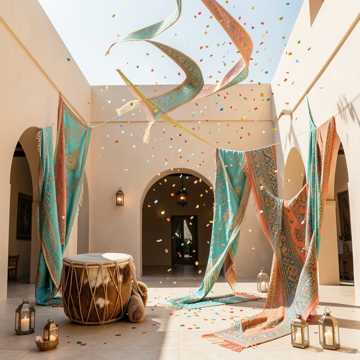
نوسة لعروسة
أغنية شعبية تونسية احتفالية تدور حول خطوبة نوسة وسط أجواء الفرح والزغاريد والمزود. الكلمات تنقل دفء العائلة وفرحة الجيران والأحباب بإيقاع سريع وحيوي يعكس روح الأعراس التونسية التقليدية.
03:35
1 days ago
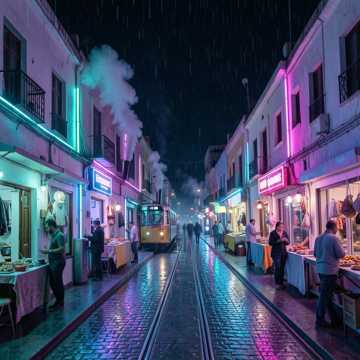
Souk Cureghem
Une célébration rythmée du quartier Cureghem à Anderlecht, portée par l'ambiance des marchés, des métros et du bus STIB 46. La chanson fusionne culture marocaine populaire et vie urbaine bruxelloise dans un style Reggada énergique et festif.
03:04
1 days ago

نوسة
أغنية شعبية تونسية تحتفل بخطوبة وعرس 'نوسة' وسط الزغاريط والمزود والطبول. الكلمات تنقل فرحة العائلة والجيران والأحباب في أجواء عرس تونسي تقليدي مليان طاقة، رقص، وبركة شعبية أصيلة.
03:30
1 days ago
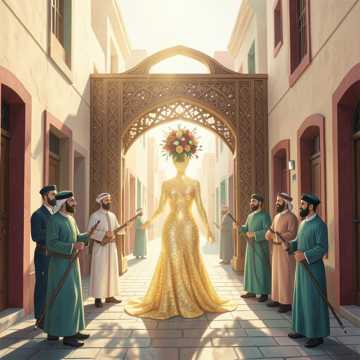
نوسة
أغنية شعبية تونسية احتفالية تدور حول فرحة خطوبة 'نوسة' وسط الزغاريت والمزود والإيقاعات السريعة. تنقل أجواء الأعراس التونسية التقليدية بطاقة صاخبة، ولمسة عائلية مليانة حب وفخر وفرح جماعي.
03:52
1 days ago
نوسة
أغنية شعبية تونسية تحتفي بخِطبة 'نوسة' وسط أجواء عائلية مليئة بالزغاريد والفرح والرقص الشعبي. تمتزج فيها روح المزود التقليدي مع الإيقاعات الحماسية لتجسد طقوس الأعراس التونسية الأصيلة.
03:31
1 days ago
نوسة
أغنية شعبية تونسية تحتفي بخطوبة وعرس 'نوسة' وسط أجواء عائلية مليئة بالزغاريد والفرح. كلماتها تنقل روح الأعراس التقليدية التونسية بإيقاعات المزود والدربوكة والطاقة الاحتفالية الصادقة.
02:36
1 days ago

الافتتاح كذبة
أغنية زجلية ساخرة تنتقد الافتتاحات الوهمية والمشاريع الفارغة عبر صور شعبية لاذعة وإيقاع جماعي حيوي. الكلمات تكشف التناقض بين الاحتفال الرسمي والواقع المتصدع، وسط أجواء مقهى شعبية مليئة بالسخرية والضحك المر.
03:12
6 days ago
Arabic Dialect Music: Definition, Origins, and Cultural Evolution
Arabic Dialect music refers to vocal and instrumental music performed in regional Arabic dialects rather than Classical Arabic. This genre category reflects the linguistic diversity of the Arab world, including Egyptian Arabic, Levantine Arabic, Gulf Arabic, Maghrebi Arabic, Iraqi Arabic, and other local dialects. Arabic Dialect music is deeply connected to regional identity, storytelling traditions, folk customs, and modern urban culture. The use of local dialects makes songs more emotionally accessible and relatable to listeners, helping artists communicate daily experiences, romance, politics, spirituality, and social issues in a natural and authentic way. Historically, Arabic Dialect music emerged from oral folk traditions and regional poetry forms such as zajal, mawwal, and nabati poetry. During the late 19th and early 20th centuries, Arabic Dialect music gained widespread popularity through theater, radio broadcasting, and the rise of recording industries in cities like Cairo, Beirut, Baghdad, and Casablanca. Egyptian cinema and radio especially played a major role in spreading Arabic Dialect songs acrossArabic Dialect Music Overview the Middle East and North Africa. Legendary performers introduced dialect-based singing styles that blended classical maqam systems with contemporary orchestration. Over time, Arabic Dialect music evolved by incorporating jazz, rock, electronic music, hip-hop, and pop production techniques while still preserving traditional Arabic melodic structures and rhythmic patterns. Today, Arabic Dialect music represents one of the most influential categories in global Middle Eastern music culture, attracting audiences through streaming platforms, film soundtracks, festivals, and social media.
Arabic Dialect Music Sub-tags and Classifications
Egyptian Arabic Music
Egyptian Arabic music is one of the most commercially dominant Arabic Dialect music styles. Known for its accessible pronunciation and broad regional appeal, this sub-tag combines classical Arabic orchestration with modern pop, shaabi, and electronic influences. Egyptian Arabic songs often focus on romance, nostalgia, and urban life. Cairo's entertainment industry helped popularize this dialect throughout the Arab world, making it a central pillar of Arabic Dialect music culture.
Levantine Arabic Music
Levantine Arabic music includes styles from Lebanon, Syria, Jordan, and Palestine. This sub-tag is characterized by melodic softness, poetic lyricism, and emotional vocal delivery. Levantine Arabic Dialect music frequently incorporates dabke rhythms, acoustic instrumentation, and contemporary pop arrangements. The genre is highly influential in Arabic indie music and modern singer-songwriter scenes.
Gulf Arabic Music
Gulf Arabic music, also known as Khaliji music, originates from Saudi Arabia, Kuwait, Bahrain, Qatar, Oman, and the UAE. It is recognized for rhythmic percussion patterns, oud-driven melodies, and strong influences from Bedouin poetry traditions. Gulf Arabic Dialect music often emphasizes themes of honor, love, desert life, and cultural heritage while increasingly integrating electronic dance and modern pop production.
Maghrebi Arabic Music
Maghrebi Arabic music encompasses dialects and styles from Morocco, Algeria, Tunisia, and Libya. This sub-tag blends Arabic, Berber, Andalusian, African, and French musical influences. Popular forms include Raï, Chaabi, Gnawa, and Andalusian fusion. Maghrebi Arabic Dialect music is known for energetic rhythms, multicultural instrumentation, and innovative cross-genre experimentation.
Iraqi Arabic Music
Iraqi Arabic music is rooted in maqam traditions and emotional vocal improvisation. Iraqi Arabic Dialect music frequently features santur, oud, and violin arrangements with deeply expressive singing styles. This sub-tag is historically significant for preserving ancient Mesopotamian musical aesthetics while influencing modern Arabic classical and folk traditions.
Arabic Dialect Hip-Hop
Arabic Dialect hip-hop combines regional Arabic dialects with rap, trap, and urban electronic production. Artists use local dialects to discuss identity, migration, politics, youth culture, and social inequality. This modern sub-tag has grown rapidly across North Africa and the Middle East, creating a globally connected Arabic urban music scene.
Arabic Dialect Folk Music
Arabic Dialect folk music preserves regional storytelling, wedding songs, ceremonial chants, and rural traditions. This sub-tag often features traditional instruments such as oud, qanun, ney, darbuka, and rebab. Folk-oriented Arabic Dialect music remains essential in cultural festivals, heritage preservation projects, and regional celebrations.
Arabic Dialect Pop
Arabic Dialect pop music merges mainstream global pop production with Arabic melodies and local dialect lyrics. This commercially successful sub-tag appeals to younger audiences through catchy hooks, dance rhythms, and polished studio arrangements. Arabic Dialect pop dominates streaming charts and television music programming throughout the Arab world.
Famous Arabic Dialect Music Artists and Classic Works
Umm Kulthum
Umm Kulthum is considered one of the greatest figures in Arabic Dialect music history. Singing primarily in Egyptian Arabic, she transformed traditional Arabic vocal performance through emotionally powerful delivery and extended improvisational structures. Her iconic works such as 'Enta Omri' and 'Al Atlal' influenced generations of Arabic musicians and established Egyptian Arabic music as a dominant cultural force.
Enta Omri - Umm Kulthum
This classic Egyptian Arabic masterpiece combines orchestral elegance with traditional maqam improvisation. The song's extended structure, emotional lyrical interpretation, and intricate melodic progression demonstrate the artistic depth of Arabic Dialect music. It also pioneered large-scale live performance culture in the Arab world.
Fairuz
Fairuz became a defining voice of Levantine Arabic music through her poetic Lebanese dialect songs and collaborations with the Rahbani Brothers. Her music blended folk traditions, orchestral arrangements, and theatrical storytelling, helping Arabic Dialect music reach international audiences.
Nassam Alayna El Hawa - Fairuz
This Levantine Arabic classic captures nostalgia, homeland identity, and poetic minimalism. The song's gentle orchestration and Lebanese dialect delivery created a timeless emotional connection with listeners across generations. It remains an essential example of Arabic Dialect folk-pop fusion.
Amr Diab
Amr Diab modernized Arabic Dialect pop by integrating Mediterranean rhythms, electronic beats, and Western pop production into Egyptian Arabic music. Albums such as 'Nour El Ain' achieved global recognition and reshaped modern Arabic commercial music.
Nour El Ain - Amr Diab
This internationally successful Arabic Dialect pop song introduced Mediterranean dance-pop elements into mainstream Arabic music. The fusion of electronic rhythms, catchy hooks, and Egyptian Arabic vocals helped modernize Arabic commercial music production and expanded global awareness of Arabic pop.
Kadim Al Sahir
Kadim Al Sahir is renowned for elevating Iraqi Arabic music through sophisticated orchestration and poetic composition. His works combine classical Arabic maqam traditions with contemporary arrangements, making Iraqi dialect music accessible to broader audiences.
Aicha - Cheb Khaled
Aicha blended Algerian Arabic dialect singing with French and international pop influences, creating one of the most recognizable Maghrebi Arabic songs worldwide. Its cross-cultural production style demonstrated the commercial versatility of Arabic Dialect music.
Cheb Khaled
Cheb Khaled pioneered the international spread of Maghrebi Arabic Dialect music through Raï music. His fusion of Algerian dialect singing with pop, reggae, and electronic influences introduced North African Arabic music to European and global markets.
Ana Wa Laila - Kadim Al Sahir
This Iraqi Arabic composition showcases advanced orchestration, poetic lyricism, and maqam-inspired vocal phrasing. The song elevated Iraqi Arabic music into sophisticated concert performance territory while maintaining emotional accessibility.
Nancy Ajram
Nancy Ajram became one of the leading figures in modern Arabic Dialect pop music. Her Lebanese dialect songs combine catchy melodies, youthful themes, and polished production, significantly shaping contemporary Arab mainstream music culture.
Ah W Noss - Nancy Ajram
This Lebanese Arabic pop hit helped define early 2000s Arabic mainstream music through upbeat production, memorable choruses, and modern visual branding. The song played a major role in shaping contemporary Arabic Dialect pop aesthetics.
Marwan Pablo
Marwan Pablo represents the rise of Arabic Dialect trap and hip-hop music. Using Egyptian dialect lyrics and modern trap production, he helped redefine Arabic youth music culture and expanded the global visibility of Arabic urban music.
Application Scenarios for Arabic Dialect Music
Arabic Dialect music is widely used in Middle Eastern and international cinema to enhance emotional storytelling, regional authenticity, and cultural atmosphere. Egyptian and Levantine dialect songs are especially popular in romantic dramas and historical films.
Movie Soundtracks
Arabic Dialect music frequently appears in TV intros, dramatic scenes, and streaming platform productions. Dialect-specific songs help audiences connect emotionally with characters and regional settings while strengthening cultural realism.
Television Series and Streaming Productions
Brands use Arabic Dialect pop and folk music in commercials to create localized marketing campaigns that resonate with regional consumers. Catchy dialect-based jingles improve audience familiarity, emotional connection, and cultural relevance.
Advertising and Brand Campaigns
Arabic Dialect music is increasingly incorporated into video game soundtracks for desert landscapes, historical adventures, and Middle Eastern-inspired fantasy worlds. Traditional percussion and maqam melodies help create immersive gaming environments.
Video Game Background Music
Tourism boards and cultural festivals use Arabic Dialect music to showcase regional identity, heritage, and artistic diversity. Folk and pop performances attract international audiences and promote cultural exchange.
Cultural Festivals and Tourism Events
Arabic Dialect music has become highly popular on TikTok, Instagram Reels, and YouTube Shorts. Viral Arabic pop, trap, and folk songs are frequently used in dance trends, lifestyle content, and comedic videos.
Social Media and Short Video Platforms
Arabic Dialect instrumental and vocal music is commonly played in restaurants, cafes, hotels, and lounges to create authentic Middle Eastern atmospheres and culturally immersive customer experiences.
Restaurant and Hospitality Ambience
Documentary filmmakers and educational creators use Arabic Dialect music to support storytelling related to Arab history, migration, regional traditions, and contemporary social issues. The music enhances authenticity and emotional depth.
Documentaries and Educational Media