Free Body Horror Music Generator Powered by AI
Turn text into high-quality Body Horror music effortlessly – no login required!

music.toolTips
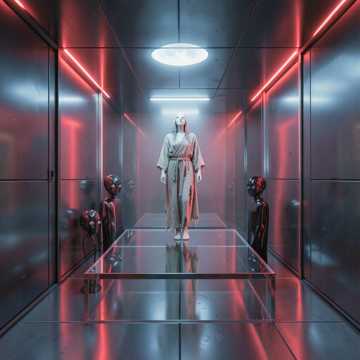
Tin Table UFO
A terrifying alien abduction narrative told through vivid body-horror imagery, pulsing synthwave production, and desperate vocals. The song balances fear, resistance, and survival with cold metallic textures, radio-static transitions, and explosive horror-pop choruses.
03:33
6 minutes ago

Milky Euphoria
Экстремальный киберпанк-трек о биомеханическом эксперименте, где сексуальная трансформация превращается в гигантский молочный апокалипсис. Атмосферный down tempo, гротескная телесность и футуристическая эротическая фантастика создают образ безумной эйфории.
05:10
19 hours ago
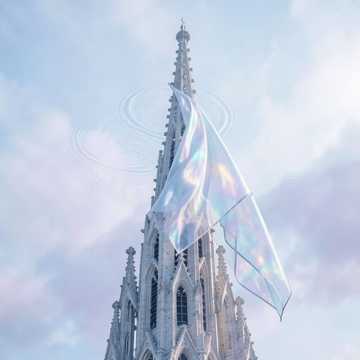
iii - r - swallowing Glass Silk
Песня исследует болезненное перерождение личности через телесные и сакральные образы: стекло, молоко, жемчуг и витражи. Экстремальный blackgaze и авангардный post-metal создают ощущение растворения эго, где насилие превращается в просветление.
07:48
1 days ago
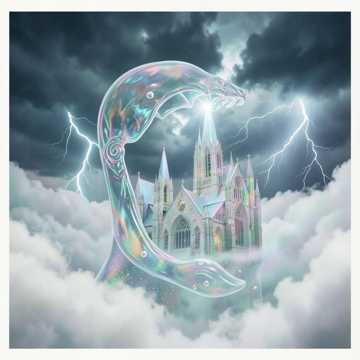
iii - r - swallowing Glass Silk
Песня исследует болезненное и прекрасное преображение через образы стекла, молока, архитектуры тела и растворяющейся идентичности. Между насилием и освобождением возникает состояние метаморфозы, где утрата становится входом в новую форму существования.
07:54
1 days ago
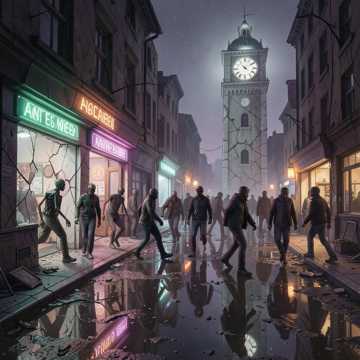
Rotting Roll Call
'Rotting Roll Call' is a dark trap narrative of survival amid a zombie outbreak, combining grim humor, visceral horror, and cinematic production, with lurching drums and eerie piano underscoring relentless tension.
03:57
2 days ago

v - r - choking on glass silk
Абразивная и поэтичная композиция о телесной трансформации, растворении идентичности и перерождении через боль. Через сюрреалистичные образы стекла, молока и архитектуры песня превращает хаос grindcore в мистический обряд очищения.
08:00
2 days ago

v - r - glass silk
Песня исследует телесную и духовную трансформацию через сюрреалистические образы стекла, молока и архитектуры тела. Агрессивный modern-metal и индустриальная электроника соединяются с хрупкой, почти сакральной лирикой о растворении идентичности и перерождении.
07:11
2 days ago
v - r - glass silk
Сюрреалистическая композиция о телесной трансформации, растворении личности и болезненном перерождении. Через образы стекла, молока, жемчуга и соборов песня соединяет интимность, насилие и духовное очищение в хаотичном экстремальном звуковом ландшафте.
06:56
2 days ago

i r Glass Silk actual
Экспериментальная звуковая одиссея о телесной трансформации, растворении идентичности и духовном перерождении. Через образы стекла, молока, жемчуга и архитектуры песня соединяет насилие, нежность и сакральность в атмосферном индустриальном black-metal трансе.
07:58
2 days ago
i r glass silk
Песня исследует болезненную метаморфозу личности через образы стекла, молока, зубов и соборной плоти. Хаотичный deathcore сталкивается с эфирной dream-pop атмосферой, создавая ощущение духовного распада и перерождения.
06:14
2 days ago

i - r - glass silk
Сюрреалистическая медитация о телесной трансформации, утрате прежней идентичности и духовном перерождении. Через образы стекла, молока, жемчуга и витражей песня соединяет хрупкость dream-pop с насилием raw black-metal.
08:00
2 days ago

Milk Euphoria
Экстравагантная киберпанк-композиция о биомеханическом эксперименте, превращающем героиню в гигантскую молочную сущность. Трек сочетает сексуализированный хоррор, футуристическую эстетику и гипнотический минимализм с атмосферой техно-эйфории.
05:40
2 days ago
ii - r - silk seams
Песня исследует перерождение через телесную и духовную метаморфозу: мягкость соседствует с разрушением, а боль становится обратным исцелением в сюрреалистическом потоке образов шёлка, архитектуры и внутреннего восхождения.
06:19
4 days ago
Body-Horror Music: Definition, History, and Core Concepts
Body-horror is a subgenre of horror that explores the grotesque and disturbing manipulation of the human body. It typically involves graphic depictions of deformity, mutation, and physical trauma. This genre often evokes strong reactions from the audience through visceral, unsettling imagery and sounds. Historically, body-horror emerged in literature and film, but it has since infiltrated various art forms, including music. Musically, body-horror is characterized by dissonant, abrasive soundscapes that mirror the physical grotesque. The genre began gaining traction in the 1980s, with the advent of industrial and noise music, particularly in the context of horror films like David Cronenberg's *The Fly* (1986). Artists and composers within body-horror music aim to create atmospheres of unease and discomfort, often utilizing unconventional sound production techniques.
Sub-tags and Classifications of Body-Horror Music
Industrial Music
Industrial music is a major sub-tag of body-horror music, known for its harsh, mechanical sounds that evoke a sense of dehumanBody-Horror Music Overviewization and alienation. Often using distorted, distorted synthesizers, found sounds, and percussive elements, industrial music aims to create a relentless, uncomfortable atmosphere. Artists like Throbbing Gristle and Skinny Puppy have been pioneers of this style, blending noise with unsettling, eerie melodies to reflect themes of bodily disintegration and transformation.
Noise Music
Noise music, which shares similarities with industrial music, is another key sub-tag of body-horror music. Noise music is characterized by its use of non-traditional sounds, including feedback, static, and distortion, to create chaotic and uncomfortable listening experiences. This genre is often used in body-horror music to mirror the violence or breakdown of the human form. Artists like Merzbow and Whitehouse have used noise to challenge conventional listening experiences, evoking sensations of discomfort and terror that align with body-horror themes.
Dark Ambient
Dark ambient music emphasizes atmosphere and mood over melody. This sub-tag of body-horror music employs eerie, haunting soundscapes that create feelings of dread and suspense. It often includes low, rumbling drones, dissonant tones, and unnatural sound effects, making it ideal for evoking a sense of physical decay or existential horror. The genre is frequently used in body-horror soundtracks, as it enhances the unsettling nature of visual grotesque or bodily transformations.
Experimental Sound Art
Experimental sound art in the context of body-horror music often involves creating unconventional and disturbing sounds through altered instruments, field recordings, and electronic manipulation. It pushes the boundaries of what is considered music, often incorporating elements of bodily sounds, such as breathing, heartbeats, and even simulated organ noises, to create immersive and disturbing sound environments. This sub-tag is used by avant-garde artists and filmmakers to explore the themes of bodily mutilation and psychological terror.
Famous Artists and Works in Body-Horror Music
Throbbing Gristle
Throbbing Gristle is a pioneering band in industrial music and a major influence on body-horror music. Their groundbreaking album *The Second Annual Report* (1977) laid the foundation for combining experimental noise with unsettling soundscapes. The band's work often featured themes of dehumanization, bodily destruction, and technological horror, making them a vital contributor to the body-horror genre.
Throbbing Gristle - *The Second Annual Report*
This album, released in 1977, is a cornerstone of the industrial music genre and deeply influenced body-horror music. The work is filled with dissonant, abrasive sounds that mimic the malfunctioning and disintegration of both the body and the mind. The album's raw, confrontational approach to sound and subject matter pushed the boundaries of what was considered musical, creating an atmosphere of discomfort and unease perfect for body-horror.
Merzbow
Merzbow, the project led by Japanese artist Masami Akita, is known for its abrasive and chaotic noise music. His work in body-horror music explores the violence of sound, often using extreme distortion and feedback. His album *Pulse Demon* (1996) is regarded as one of the quintessential works in noise and body-horror music, featuring intense sonic assaults that mirror the physical and psychological breakdown of the human form.
Merzbow - *Pulse Demon*
Released in 1996, *Pulse Demon* is one of Merzbow's most iconic works. The album’s sound is a relentless barrage of harsh noise, featuring an extreme blend of distortion and feedback. The chaotic, unyielding soundscapes resonate with the themes of physical and psychological disintegration that are central to body-horror, making it an essential body-horror music piece.
Clint Mansell
Clint Mansell is a film composer who has contributed to body-horror music through his haunting, atmospheric scores for films like *Requiem for a Dream* (2000) and *Black Swan* (2010). His ability to blend orchestral and electronic elements creates a disturbing yet mesmerizing sound palette that amplifies the unsettling physical transformations often found in body-horror narratives.
Clint Mansell - *Requiem for a Dream* (Soundtrack)
The soundtrack for *Requiem for a Dream*, composed by Clint Mansell, is an evocative blend of classical and electronic elements. The haunting and minimalist composition mirrors the spiraling physical and mental breakdowns of the characters, encapsulating the essence of body-horror through music. The score's use of repetitive, dissonant patterns amplifies the feeling of descent into madness and physical decay.
Application Scenarios of Body-Horror Music
Body-horror music is often used in movie soundtracks to amplify the grotesque nature of physical transformation or psychological breakdowns. In films like *The Fly* (1986), the soundtrack, combined with industrial and ambient music, deepens the sense of horror and repulsion that the body undergoes during mutation. The right combination of noise and atmospheric tension enhances the disturbing visuals, making body-horror music an integral part of the genre.
Movie Soundtracks
In video games, especially survival horror or psychological horror titles, body-horror music enhances the feeling of unease and dread. Games like *Silent Hill* (1999) use a combination of dark ambient music and industrial noise to mirror the physical and emotional deterioration of the characters. These soundscapes immerse players into worlds of grotesque bodily transformations, making the environment feel hostile and horrifying.
Video Game Background Music
Although rare, body-horror music can be used in advertising to create a striking emotional response. Ads for medical or pharmaceutical products, particularly those dealing with transformations, aging, or bodily experiences, can benefit from the unsettling quality of body-horror music. The dissonant, eerie sounds are used to evoke strong reactions from the audience, emphasizing themes of bodily change or decay in a visceral way.
Advertising and Commercials