
Free Bajo sexto Music Generator Powered by AI
Turn text into high-quality Bajo sexto music effortlessly – no login required!

music.toolTips

La Carta Quemada
Un corrido mexicano que narra la traición y el desengaño amoroso, con un ritmo vibrante que combina rabia, dolor y venganza en cada verso y coro, acompañado de una instrumentación tradicional y directa.
03:16
1 hours ago

Amador Ochoa
Corrido pop regional que exalta el esfuerzo, la honestidad y el orgullo en el trabajo, con melodía cálida y ritmo envolvente que refuerza la autenticidad de su protagonista.
02:30
1 hours ago

Ruge el León
Canción norteña tumbada que exalta liderazgo, identidad y unidad popular mediante la figura simbólica del león, con una energía festiva y combativa que conecta con el orgullo colectivo.
02:23
Invalid date

Autor de mi historia
Una canción de alabanza que celebra la guía divina y la protección incondicional, combinando un estilo regional mexicano con letras de fe, esperanza y reconciliación espiritual.
06:09
1 days ago

Bajo El Puente
Una historia de encuentro y conexión bajo un puente, con emociones a flor de piel y un ritmo moderno de corrido tumbado con matices de reggaetón, que mezcla intimidad y calle con melodía cautivadora.
04:05
2 days ago

Vieja Escuela Es La Que Traigo
Un corrido tumbado moderno que celebra el esfuerzo, la familia y las raíces humildes, con letras que reflejan orgullo, perseverancia y gratitud por lo alcanzado desde abajo.
03:17
2 days ago
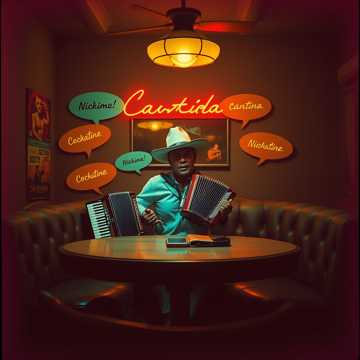
El Rey de los Apodos
Un corrido tumbado que narra con humor la vida de un hombre carismático que conquista corazones con apodos ingeniosos y frases coquetas, pero sin gastar dinero; mezcla de picardía, romance y ritmo bailable.
02:35
Invalid date

El Corrido del Tucán Elegante
A modern corrido tumbao celebrating the extravagant lifestyle of a charismatic figure known as 'El Tucán Elegante.' The song highlights luxury, power, and the mystique surrounding this larger-than-life character, combining narrative storytelling with energetic, contemporary rhythms.
02:53
Invalid date

El Chingón de Sonora
Un corrido tumbado que narra las aventuras y el carisma de Samir Murue en Cajeme, combinando adrenalina, orgullo y la vida al máximo entre mar, arena y motocross.
02:27
Invalid date

El Corrido del Chaparrito Valiente
Un corrido moderno que celebra la valentía y la humildad de un hombre pequeño, su amor por la familia y su fe, narrando su paso por la guerra y la vida cotidiana con orgullo y gratitud.
03:14
Invalid date
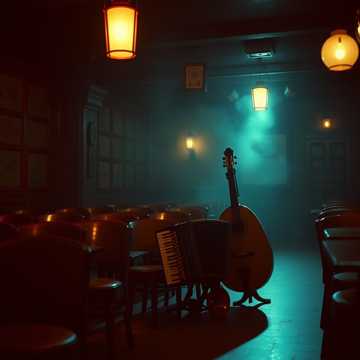
Entre Humo y Cantina
A tender, romantic banda instrumental, 'Entre Humo y Cantina' evokes slow sways under dim cantina lights, weaving intimate arpeggios and expressive accordion melodies into bittersweet crescendos.
03:30
3 days ago

El Wilo Barba Pelirroja
A high-energy corrido tumbado narrating the story of Wilo, a fearless, charismatic figure with a red beard, who lives life in the fast lane. The song celebrates his confidence, love for nightlife, and loyalty to his inner circle, all set to a thumping modern corrido rhythm.
02:50
Invalid date

El Lumpy de Monterrey
'El Lumpy de Monterrey' narra la vida de un hombre audaz y respetado en Monterrey, destacando su carisma, poder y estilo de vida entre apuestas, negocios y calle, todo con un corrido norteño lleno de actitud y ritmo contagioso.
02:32
Invalid date

El Poncho de Monterrey
Corrido moderno que retrata al Poncho de Monterrey, un hombre audaz y leal, entre apuestas, amistad y fiestas, con ritmo norteño que realza su carácter y vivencias.
02:21
Invalid date

El Wilo De Facpya
Corrido norteño que narra la reputación, lealtad y carácter del Wilo en Facpya, destacando su inteligencia, valentía y conexión con su gente, mientras su estilo relajado y firme lo convierte en una figura respetada y admirada.
02:15
Invalid date

La Más Bella de Kiliwas
A vibrant tribute to Fátima Olguín, this corrido tumbado combines heartfelt lyrics with captivating melodies, celebrating beauty, strength, and elegance in the streets of Kiliwas.
02:53
5 days ago

Bolsas Siglo Bien Selladas
Un corrido tumbado que narra la transición de la lucha diaria a la prosperidad, celebrando esfuerzo, orgullo y logros personales mientras mantiene un tono cercano y realista.
03:02
5 days ago
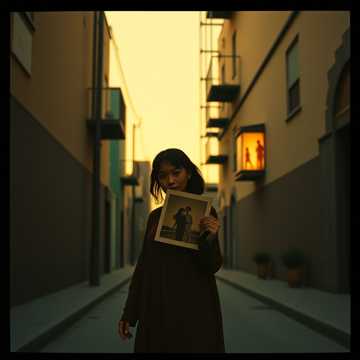
Marina Alba
'Marina Alba' es un corrido moderno que honra la fuerza, lealtad y valentía de una mujer de barrio, destacando su amor por sus hijos y su carácter firme, mientras la instrumentación tensa y épica refuerza su presencia imponente.
04:10
5 days ago

Benito De Mazatlán
'Benito De Mazatlán' narra la vida de un joven sinaloense sencillo y leal, destacando familia, amistad y respeto, con un ritmo de corrido norteño que combina historias personales con melodías de acordeón y bajo sexto.
03:15
6 days ago
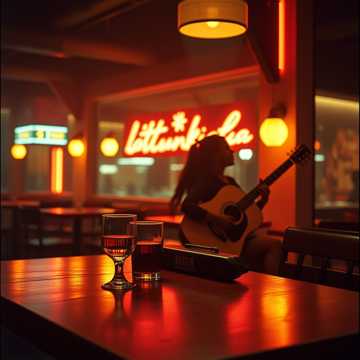
te vi
Una historia íntima de atracción inesperada, narrada con voz cálida y melódica, combinando corrido moderno y romanticismo que envuelve emociones de deseo, duda y nostalgia en un día memorable.
03:05
6 days ago
Introduction to Bajo sexto: Definition and History
The Bajo sexto is a traditional Mexican string instrument, part of the guitar family, known for its deep, resonant sound and essential role in regional Mexican music. Literally meaning 'sixth bass,' the Bajo sexto typically has 12 strings arranged in six double courses. It emerged in Northern Mexico during the 19th century, influenced by Spanish guitars and European stringed instruments brought by settlers. The instrument became a central component in norteño, conjunto, and tejano music styles, often paired with the accordion. Its function is both rhythmic and harmonic, providing a strong, percussive foundation for ensembles while also enriching the melodic texture. Over time, the Bajo sexto has become not just a musical tool, but a cultural symbol representing the musical identity of Northern Mexico and the Mexican-American borderlands.
Sub-tags and Classifications of Bajo sexto
Traditional Bajo sexto
The traditional Bajo sexto refers to the classic 12-string version widely used in norteño and conjunto music. Its deep tonal range and strong projection make it ideal for liveBajo sexto content creation performances in dance halls and community gatherings. This version is most closely associated with rural and folk traditions in Northern Mexico.
Modern Bajo quinto
The Bajo quinto is a modern evolution of the Bajo sexto, featuring 10 strings instead of 12. Musicians adopted this adaptation in the mid-20th century to allow greater flexibility for melodic improvisation while still maintaining the robust sound of the original instrument. It is now common in contemporary tejano and norteño groups.
Electric Bajo sexto
In recent decades, some musicians have modified the Bajo sexto by adding pickups, creating an electric version. This allows the instrument to be amplified for large concerts and recordings, blending traditional tones with modern performance requirements. The electric Bajo sexto is especially popular among crossover acts and fusion genres.
Custom and Regional Variants
Different luthiers have developed custom Bajo sexto designs, including variations in body size, wood type, and string arrangements. These adaptations often reflect regional preferences, with some instruments favoring a brighter treble sound and others emphasizing low-end resonance.
Famous Artists and Works Related to Bajo sexto
Santiago Jiménez Sr.
Santiago Jiménez Sr. is considered a pioneer of conjunto music and a master of the Bajo sexto. He helped standardize the ensemble pairing of accordion and Bajo sexto, creating a template that influenced countless groups across Texas and Northern Mexico.
‘Viva Seguin’ by Santiago Jiménez Sr.
This classic conjunto piece showcases the rhythmic drive of the Bajo sexto, pairing it seamlessly with accordion melodies. The Bajo sexto provides both harmonic grounding and percussive accents, making it a defining example of traditional conjunto style.
Flaco Jiménez
Although best known as an accordionist, Flaco Jiménez frequently collaborated with Bajo sexto players, highlighting its importance in conjunto. His recordings often feature prominent Bajo sexto accompaniment, preserving the traditional sound while reaching international audiences.
‘El Disgusto’ by Los Alegres de Terán
This song exemplifies the role of the Bajo sexto in norteño ballads. Its chord progressions and strumming patterns give the music emotional depth, reinforcing the storytelling element of the lyrics.
Los Alegres de Terán
This influential norteño duo relied heavily on the Bajo sexto to drive their harmonies and rhythm. Their recordings in the mid-20th century elevated the instrument to a central role in popular Mexican music.
Los Texmaniacs’ Grammy-winning album ‘Borders y Bailes’
On this album, Max Baca demonstrates the versatility of the Bajo sexto. The instrument is used not only for traditional conjunto rhythms but also in innovative arrangements that blend with other genres, showing its adaptability in modern contexts.
Max Baca
A modern virtuoso of the Bajo sexto, Max Baca has pushed the instrument into new territories with his band Los Texmaniacs. His technical skill and innovative playing style have introduced the Bajo sexto to audiences beyond traditional Mexican music circles.
Application Scenarios of Bajo sexto Music
Bajo sexto music is frequently used in films that depict Mexican culture, border life, or rural traditions. Its deep tones and rhythmic strumming evoke authenticity and cultural richness, making it perfect for setting the scene in dramas and documentaries.
Movie Soundtracks
Brands often use Bajo sexto music in advertisements to connect with Mexican and Mexican-American audiences. Its recognizable sound creates an instant cultural resonance, particularly for products related to food, beverages, and community celebrations.
Advertising and Commercials
In modern gaming, Bajo sexto music appears in soundtracks for games that feature Mexican or Latin American settings. Its unique tonal quality enhances immersion by grounding players in the cultural atmosphere of the environment.
Video Games
The Bajo sexto remains a cornerstone of live conjunto and norteño performances. At cultural festivals and dance events, it drives the rhythm of polkas, corridos, and rancheras, providing audiences with an energetic and authentic musical experience.
Live Performances and Festivals