Free Carnival pop Music Generator Powered by AI
Turn text into high-quality Carnival pop music effortlessly – no login required!

music.toolTips
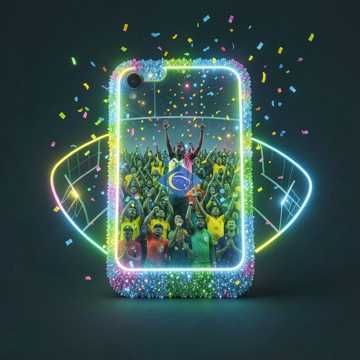
Gol
Jingle promocional alegre que une a emoção da Copa do Mundo ao marketing da Faby Capinhas & Acessórios. Com clima festivo, destaca qualidade, bom preço e personalização, associando o celular ao espírito campeão da torcida.
02:22
2 days ago
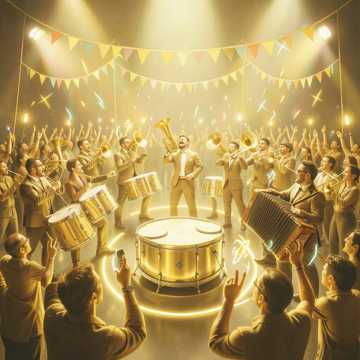
Beesel Draak
An explosive instrumental carnival anthem driven by brass, accordion, stomping drums, and festival chants. 'Beesel Draak' captures the spirit of street parades and communal celebration with a rough-edged, high-energy sound built for dancing and crowd participation.
01:20
Invalid date
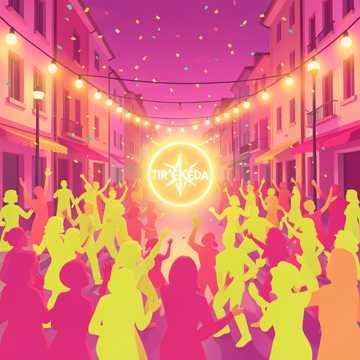
Tir'ekéda em Albergaria
Uma explosão festiva de Carnaval português que celebra união, amizade e alegria coletiva. Com percussão contagiante, refrões fortes e energia de multidão, a música transforma Albergaria numa festa vibrante e emocional.
02:08
6 days ago
Carnival Pop Music: Definition, History, and Cultural Evolution
Carnival Pop is an energetic and festive music style that blends mainstream pop structures with carnival-inspired rhythms, colorful instrumentation, dance-oriented beats, and celebratory cultural influences. The Carnival Pop sound is heavily associated with street festivals, parades, tropical celebrations, and vibrant nightlife scenes. It often incorporates elements from Latin pop, Caribbean music, samba, soca, dance-pop, electronic music, and world percussion traditions. The defining characteristics of Carnival Pop music include upbeat tempos, catchy melodic hooks, percussion-heavy arrangements, brass sections, and an atmosphere designed to encourage dancing and communal celebration. The origins of Carnival Pop can be traced back to traditional carnival cultures in regions such as Brazil, Trinidad and Tobago, the Caribbean, and parts of Europe where annual carnival celebrations featured rhythmic street music and large-scale public performances. During the late 20th century, pop producers began combining these carnival traditions with commercial pop production techniques, creating a more globally accessible soundCarnival Pop Overview. In the 1980s and 1990s, Carnival Pop gained popularity through the international rise of Latin dance music, tropical house, and festival-oriented pop hits. By the 2000s and 2010s, artists from Latin America, Europe, and the Caribbean further modernized the genre by introducing EDM production, reggaeton influences, and high-energy vocal performances. Today, Carnival Pop remains popular in global festival culture, sporting events, summer playlists, tourism campaigns, and party-focused entertainment media. The genre continues to evolve as artists fuse modern electronic production with traditional carnival instrumentation, maintaining its reputation as one of the most joyful and energetic forms of contemporary pop music.
Carnival Pop Sub-tags and Classifications
Latin Carnival Pop
Latin Carnival Pop combines mainstream pop songwriting with Latin dance rhythms such as salsa, merengue, reggaeton, and cumbia. This sub-tag emphasizes vibrant percussion, rhythmic guitar patterns, brass instrumentation, and energetic vocal delivery. Latin Carnival Pop is widely used in dance clubs, beach festivals, and international summer music charts due to its infectious and celebratory atmosphere.
Brazilian Carnival Pop
Brazilian Carnival Pop draws inspiration from samba schools, Rio Carnival traditions, and Afro-Brazilian percussion. This style often features large drum ensembles, syncopated rhythms, call-and-response vocals, and colorful arrangements. Brazilian Carnival Pop is particularly associated with parades, stadium events, and television broadcasts celebrating Brazilian culture.
Caribbean Carnival Pop
Caribbean Carnival Pop incorporates soca, calypso, dancehall, and island-inspired melodies into commercial pop structures. Known for its tropical energy and party-driven production, this sub-tag often includes steel drums, electronic dance beats, and chant-like choruses designed for crowd participation during carnival celebrations and beach festivals.
Electronic Carnival Pop
Electronic Carnival Pop fuses EDM production with carnival-inspired rhythms and festival aesthetics. This sub-genre uses synthesizers, bass drops, electronic percussion, and large-scale anthem structures to create music suitable for music festivals and nightlife environments. DJs and producers frequently use Electronic Carnival Pop in international dance music scenes.
Family-Friendly Carnival Pop
Family-Friendly Carnival Pop focuses on cheerful melodies, colorful instrumentation, and accessible lyrics suitable for all ages. This sub-tag is commonly used in animated films, children’s programming, amusement parks, and public festivals. The music emphasizes positivity, fun, and community celebration.
Retro Carnival Pop
Retro Carnival Pop incorporates vintage carnival sounds from the 1970s, 1980s, and early dance-pop eras. It frequently uses analog synthesizers, disco-inspired basslines, brass arrangements, and nostalgic festival aesthetics. This sub-tag appeals to audiences seeking classic party music with timeless carnival energy.
Famous Carnival Pop Artists and Classic Carnival Pop Works
Gloria Estefan
Gloria Estefan helped popularize Latin-influenced Carnival Pop on the global stage by blending Cuban rhythms with mainstream pop production. Songs such as 'Conga' introduced carnival-style percussion and dance energy to international audiences, influencing generations of festival-oriented pop artists.
Conga - Gloria Estefan and Miami Sound Machine
‘Conga’ is widely regarded as one of the foundational Carnival Pop songs due to its fusion of Latin percussion, dance-pop structure, and celebratory energy. The song introduced mainstream audiences to carnival-inspired rhythms while maintaining highly accessible pop melodies. Its layered percussion and infectious chorus became a blueprint for future Carnival Pop productions.
Shakira
Shakira expanded the reach of Carnival Pop by incorporating Latin dance rhythms, global percussion, and energetic visual performances into her music. Her festival-friendly style and international crossover appeal contributed significantly to the commercial success of Carnival Pop music worldwide.
Livin' la Vida Loca - Ricky Martin
This iconic track helped globalize Carnival Pop by combining rock-infused pop with Latin dance rhythms and vibrant instrumentation. The song’s fast tempo, rhythmic brass sections, and theatrical energy created a highly commercial carnival atmosphere that influenced late-1990s and early-2000s pop music trends.
Jennifer Lopez
Jennifer Lopez combined dance-pop, Latin grooves, and celebratory production elements to create a modern Carnival Pop sound. Her music frequently features upbeat rhythms, party-driven arrangements, and strong visual aesthetics associated with carnival culture.
Waka Waka (This Time for Africa) - Shakira
‘Waka Waka’ demonstrated how Carnival Pop could integrate global cultural influences into a unifying festival anthem. Featuring African-inspired rhythms, uplifting vocals, and stadium-ready production, the song became associated with international celebration and sporting events. Its multicultural fusion expanded the stylistic possibilities of Carnival Pop music.
Ricky Martin
Ricky Martin became one of the defining artists of Carnival Pop during the late 1990s Latin pop explosion. His energetic performances, rhythmic vocal style, and globally successful dance tracks helped bring carnival-inspired pop music into mainstream radio and entertainment markets.
On The Floor - Jennifer Lopez
‘On The Floor’ modernized Carnival Pop through the integration of electronic dance production and Latin party rhythms. The track’s club-ready beat, celebratory lyrics, and energetic vocal delivery exemplify the evolution of Carnival Pop in the digital streaming era.
Pitbull
Pitbull modernized Carnival Pop through the fusion of EDM, Latin beats, and club-oriented production. His music became strongly associated with party culture, sports events, and festival environments, making him a major contributor to contemporary Carnival Pop music.
Fireball - Pitbull
‘Fireball’ showcases the EDM-influenced side of Carnival Pop with heavy brass instrumentation, festival-style drops, and dance-focused production. The track became popular in party playlists and sports entertainment due to its explosive energy and crowd-friendly structure.
Michel Teló
Michel Teló contributed to Carnival Pop through Brazilian-inspired dance tracks that combined catchy hooks with festive rhythms. His global success demonstrated the international commercial potential of carnival-influenced pop music.
Carnival Pop Music Application Scenarios
Carnival Pop music is frequently used in movie soundtracks for scenes involving celebrations, travel, dance sequences, or cultural festivals. Its energetic rhythms and colorful instrumentation help create uplifting and emotionally engaging cinematic moments.
Movie Soundtracks
Brands often use Carnival Pop music in commercials to communicate excitement, positivity, summer vibes, and social energy. The upbeat nature of Carnival Pop helps increase audience engagement and creates memorable advertising experiences.
Advertising and Commercial Campaigns
Carnival Pop is commonly featured in party games, sports games, rhythm games, and festival-themed gaming environments. Its fast tempo and festive atmosphere enhance player immersion and maintain energetic gameplay experiences.
Video Game Background Music
Sports organizations use Carnival Pop tracks during halftime shows, player introductions, and crowd celebrations because the music encourages audience participation and amplifies the excitement of live events.
Sports Events and Stadium Entertainment
Tourism boards and travel companies frequently use Carnival Pop music in promotional videos to highlight tropical destinations, cultural festivals, beaches, nightlife, and vacation experiences. The genre’s celebratory mood effectively represents leisure and adventure.
Tourism and Travel Promotions
Carnival Pop is a central component of street festivals, parades, and public celebrations around the world. The genre’s percussion-driven rhythms and dance-oriented structures make it ideal for large outdoor gatherings and community entertainment.
Festival and Parade Events
Dance studios and fitness programs often use Carnival Pop music in cardio workouts, Zumba sessions, and group dance classes. Its high-energy tempo and motivating rhythms encourage movement and sustained physical activity.
Fitness and Dance Classes