
Free Dayak Music Generator Powered by AI
Turn text into high-quality Dayak music effortlessly – no login required!

music.toolTips
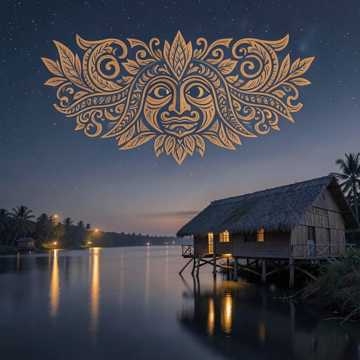
Dayak Nanga Ranyai
Lagu tu nyerita pengingat manis pasal kampung Nanga Ranyai, Sungai Mansau, enggau Kerapa Selayu. Tema rindu, keluarga, adat, enggau kenangan masa mit dipadah ngena irama Dangdut Dayak ti ngangkat semangat pulai ngagai akar asal.
05:30
Invalid date
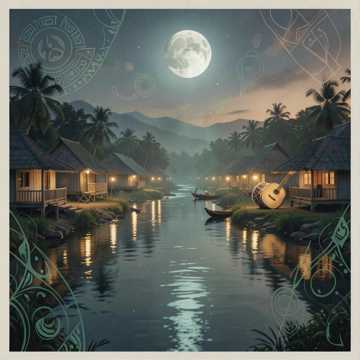
Dayak Nanga Ranyai
A nostalgic and celebratory Dayak dangdut song about Nanga Ranyai, honoring childhood memories, family teachings, village identity, and enduring love for home despite life in distant places.
04:30
Invalid date
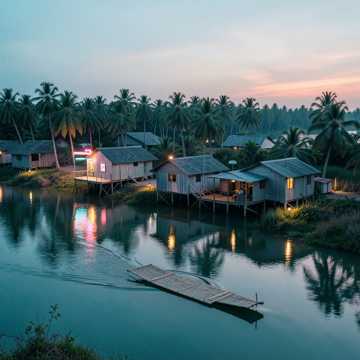
Dhut
Dhut evokes Muara Teweh's serene landscapes and heartfelt memories through a Dayak koplo Cha cha rhythm, blending reflection, longing, and gentle optimism in vivid, poetic lyrics.
06:23
Invalid date
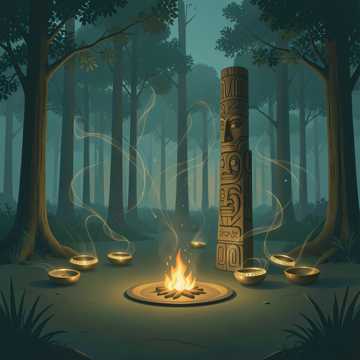
Ladang Meriang
Ladang Meriang is a dynamic Dayak dance instrumental blending sape ostinatos, suling melodies, and gong-driven ceremonial pulses, evolving from intimate solos to a full communal groove, evoking earthy, celebratory energy.
05:25
4 days ago
Dayak Music: Definition, History, and Cultural Significance
Dayak music refers to the traditional and contemporary musical expressions of the Dayak peoples, the indigenous communities of Borneo (Kalimantan in Indonesia, as well as parts of Malaysia and Brunei). Deeply rooted in ancestral traditions, Dayak music serves as a vital medium for storytelling, ritual ceremonies, spiritual communication, social gatherings, and cultural preservation. Traditional Dayak music is characterized by the use of indigenous instruments such as the sape (a lute-like string instrument), gongs, drums, bamboo flutes, and various percussion instruments. Historically, Dayak music developed alongside the social and spiritual life of Dayak communities, where music accompanied harvest festivals, healing rituals, warrior ceremonies, and communal celebrations. Over time, Dayak music evolved through interactions with neighboring cultures and modern influences, resulting in contemporary Dayak music that blends traditional melodies, rhythms, and instruments with modern genres such as folk, world music, ambient, and fusion. Today, Dayak music remains an important symbol of indigenous identity and culturalDayak Music Overview heritage while gaining recognition on international stages through cultural festivals and global world music movements.
Dayak Music Sub-tags and Classifications
Traditional Dayak Ritual Music
Traditional Dayak Ritual Music encompasses ceremonial compositions performed during religious and spiritual events. These musical forms often feature repetitive rhythms, chanting, gong ensembles, and traditional percussion instruments. The music serves ceremonial purposes such as invoking ancestral spirits, blessing communities, celebrating harvests, and conducting healing rituals. This classification preserves some of the oldest forms of Dayak musical heritage.
Sape Music
Sape Music centers on the sape, a traditional Dayak lute carved from a single piece of wood. Known for its soothing and melodic sound, sape music often features flowing melodies inspired by nature, rivers, forests, and indigenous folklore. It has become one of the most internationally recognized forms of Dayak music and frequently appears in world music recordings and cultural performances.
Dayak Folk Songs
Dayak Folk Songs include vocal traditions passed down through generations. These songs narrate historical events, legends, moral teachings, love stories, and community values. Folk songs often involve call-and-response structures and are performed during communal gatherings, weddings, and cultural festivals, helping preserve oral history and indigenous languages.
Contemporary Dayak Fusion
Contemporary Dayak Fusion combines traditional Dayak instruments and melodies with modern genres such as pop, rock, jazz, electronic, and world music. Artists within this category seek to introduce Dayak culture to younger audiences while maintaining cultural authenticity. This fusion has significantly contributed to the modernization and global promotion of Dayak music.
Dayak Dance Music
Dayak Dance Music accompanies traditional dances performed during festivals, ceremonies, and cultural exhibitions. Characterized by energetic percussion, gong patterns, and rhythmic structures, this classification emphasizes movement, community participation, and cultural storytelling through dance.
Dayak Ambient and Instrumental Music
Dayak Ambient and Instrumental Music focuses on atmospheric soundscapes created primarily with sape, bamboo instruments, and natural environmental sounds. This style has gained popularity in meditation, relaxation, wellness, and cinematic productions due to its calming and immersive qualities.
Famous Dayak Music Artists and Classic Works
Mathew Ngau Jau
Mathew Ngau Jau is widely recognized as one of the most influential sape musicians and cultural ambassadors of Dayak music. Through international performances and recordings, he has introduced traditional Dayak musical traditions to global audiences. His work emphasizes the preservation of indigenous melodies while promoting intercultural understanding through music.
Lan E Tuyang
Often associated with the sape tradition, 'Lan E Tuyang' showcases the flowing melodic patterns that characterize Dayak instrumental music. The piece emphasizes emotional expression, natural imagery, and intricate finger techniques. Its enduring popularity stems from its ability to evoke the landscapes and spiritual atmosphere of Borneo.
Jerry Kamit
Jerry Kamit is a renowned contemporary sape virtuoso known for expanding the technical possibilities of the instrument. His recordings blend traditional Dayak musical elements with modern production techniques, making Dayak music accessible to international listeners and younger generations.
Sape Journey
A representative contemporary Dayak instrumental composition, 'Sape Journey' combines traditional sape melodies with modern recording aesthetics. The work highlights the versatility of the sape while maintaining strong connections to indigenous musical traditions, making it appealing to both traditional and international audiences.
Alena Murang
Alena Murang is a musician, educator, and cultural advocate who has played a major role in revitalizing Dayak musical traditions. Combining traditional vocal techniques, storytelling, and sape accompaniment, she promotes indigenous heritage through performances, educational initiatives, and cross-cultural collaborations.
Borneo Rainforest Melody
This composition draws inspiration from the natural environment that has shaped Dayak culture for centuries. Through layered instrumental textures and ambient sounds, it creates an immersive listening experience that reflects the relationship between Dayak communities and the rainforest ecosystem.
Tuku Kame
Tuku Kame is known for preserving traditional Dayak musical practices while mentoring younger musicians. His performances highlight authentic ceremonial and folk traditions, helping sustain the continuity of Dayak music within local communities.
Harvest Festival Chant
Based on ceremonial traditions, this work demonstrates the communal and spiritual dimensions of Dayak music. Rhythmic percussion, vocal chants, and gong accompaniment illustrate how music functions as a social and ceremonial tool within Dayak society.
Rami Igor
Rami Igor has contributed to the development of modern Dayak music through innovative arrangements that combine traditional instruments with contemporary genres. His work demonstrates the adaptability and evolving nature of Dayak musical expression.
Contemporary Sape Fusion
This modern interpretation of Dayak music integrates traditional sape performance with contemporary musical arrangements. The work represents innovation within the genre by expanding its audience while preserving essential cultural characteristics and indigenous musical identity.
Application Scenarios for Dayak Music
Dayak music is frequently used in films that explore indigenous cultures, nature, spirituality, and historical narratives. The atmospheric qualities of the sape and traditional percussion create emotional depth and cultural authenticity in cinematic storytelling.
Film Soundtracks
Documentaries focusing on Borneo, indigenous communities, environmental conservation, and cultural heritage often utilize Dayak music to reinforce regional identity and provide audiences with an authentic cultural experience.
Documentary Productions
Game developers use Dayak music in adventure, exploration, fantasy, and open-world games. The distinctive sounds of the sape and traditional instruments help create immersive environments inspired by tropical forests, ancient civilizations, and indigenous mythology.
Video Game Background Music
Tourism campaigns and cultural exhibitions frequently feature Dayak music to showcase the unique heritage of Borneo. Traditional and contemporary Dayak music enhances visitor experiences and promotes cultural appreciation among international audiences.
Tourism and Cultural Promotion
The calming and melodic qualities of Dayak ambient and sape music make it suitable for meditation sessions, yoga classes, wellness retreats, and relaxation playlists. Its natural and soothing soundscape contributes to stress reduction and mindfulness practices.
Meditation and Wellness Programs
Brands seeking themes of authenticity, sustainability, nature, and cultural richness may incorporate Dayak music into advertising campaigns. The distinctive sound immediately evokes a sense of heritage, environmental connection, and uniqueness.
Advertising and Brand Storytelling
Dayak music plays a central role in cultural festivals, heritage celebrations, and international world music events. Live performances help preserve traditions while introducing global audiences to the artistic richness of Dayak culture.
Cultural Festivals and Live Performances
Museums, cultural centers, and educational institutions use Dayak music in exhibitions and interactive displays to provide context about indigenous history, traditional instruments, and the cultural significance of Dayak communities.
Educational and Museum Installations