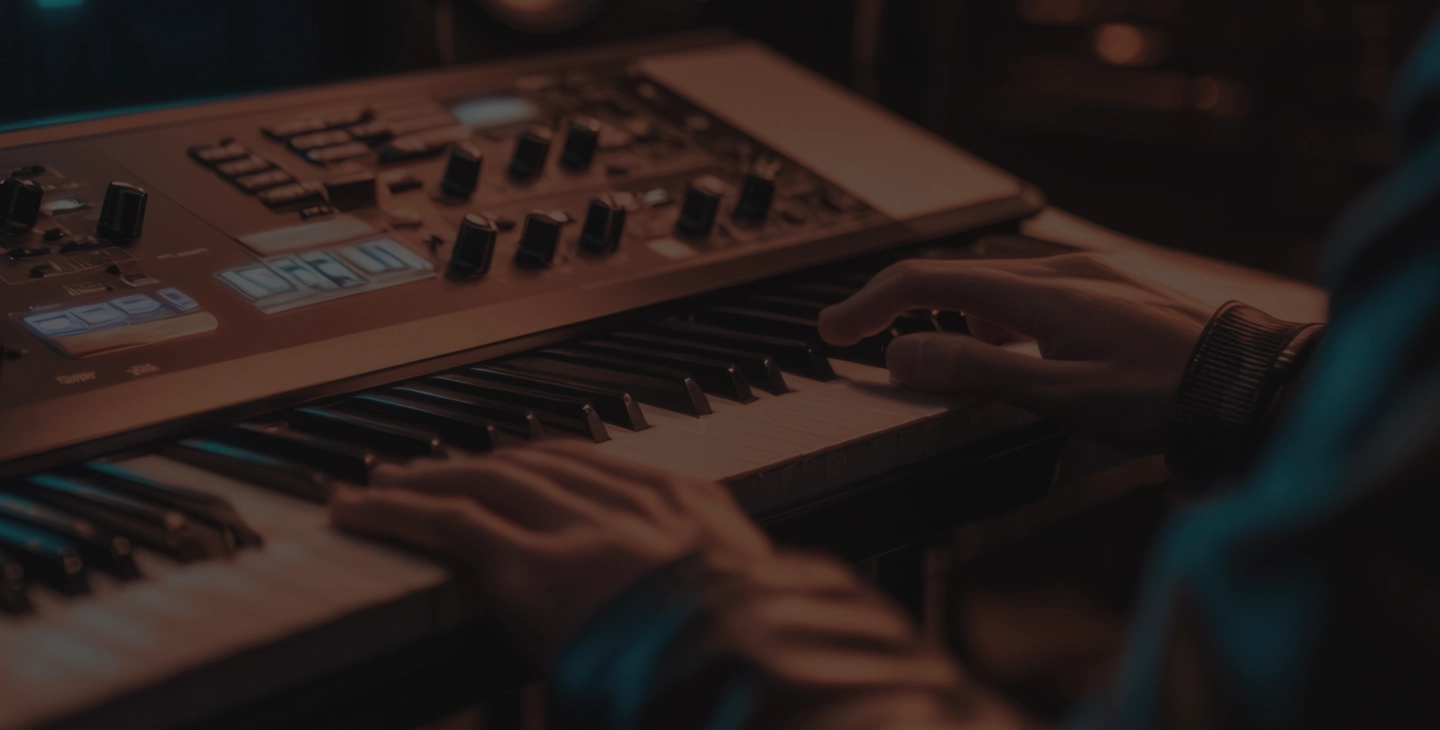
Free digital synths Music Generator Powered by AI
Turn text into high-quality digital synths music effortlessly – no login required!

music.toolTips
Тунг Тунг Сахур
Энергичный hyperpop trap трек с игривыми вокальными партиями и мемными мотивами, создающий атмосферу бодрого утра и веселого вайба.
03:08
3 days ago
Digital Synths: Definition, Evolution, and Core Concepts of Digital Synthesizers
Digital synths, short for digital synthesizers, are electronic musical instruments that generate sound using digital signal processing (DSP) rather than purely analog circuitry. Unlike analog synthesizers that rely on voltage-controlled oscillators, digital synths use algorithms, sampling, and mathematical models to create, shape, and manipulate sound. The history of digital synths dates back to the late 1970s and early 1980s, when advancements in microprocessors enabled the development of groundbreaking instruments such as the Yamaha DX7, which popularized frequency modulation (FM) synthesis. Throughout the 1980s and 1990s, digital synths expanded into wavetable synthesis, sampling-based synthesis, and hybrid systems, becoming a cornerstone of electronic music production. Today, digital synths exist as hardware units, software plugins (VSTs), and modular digital systems, playing a crucial role in genres such as EDM, synthwave, pop, film scoring, and experimental music. Their flexibility, affordability, and sonic diversity haveDigital Synths Overview made digital synths essential tools for modern producers and composers.
Digital Synths Sub-tags and Classifications: Types of Digital Synthesis
FM Synthesis
FM (Frequency Modulation) synthesis is one of the most influential digital synth techniques, where one waveform modulates the frequency of another to create complex harmonic content. Popularized in the 1980s, FM synthesis is known for its metallic, bell-like, and percussive sounds, making it widely used in pop, jazz fusion, and video game music.
Wavetable Synthesis
Wavetable synthesis involves scanning through a collection of pre-recorded waveforms (wavetables) to produce evolving timbres. This type of digital synth is highly popular in modern EDM and sound design due to its ability to create dynamic, morphing textures and rich harmonic motion.
Sampling and Sample-Based Synthesis
Sample-based digital synths use recorded audio samples as the primary sound source. These can range from realistic instrument recordings to abstract textures. Samplers and ROMplers fall into this category and are widely used in film scoring, pop production, and orchestral emulation.
Granular Synthesis
Granular synthesis breaks audio into tiny fragments called grains and reassembles them in real time to create new sounds. This digital synth technique is commonly used for experimental music, ambient textures, and cinematic soundscapes due to its ability to produce highly detailed and evolving sonic environments.
Additive Synthesis
Additive synthesis builds complex sounds by combining multiple sine waves at different frequencies and amplitudes. This method provides precise control over harmonic content and is often used in digital synths for sound design, research, and unique tonal creation.
Virtual Analog Synthesis
Virtual analog digital synths emulate the behavior and sound of classic analog synthesizers using digital technology. They combine the warmth and character of analog with the stability and flexibility of digital systems, making them popular in synthwave, house, and techno.
Physical Modeling Synthesis
Physical modeling synthesis recreates the physical properties of real instruments using mathematical models. This advanced digital synth technique is used to simulate strings, wind instruments, and acoustic resonances, often found in high-end sound design and film scoring applications.
Famous Artists and Iconic Works in Digital Synths Music
Brian Eno
Brian Eno is a pioneer in ambient music and digital synth experimentation. His work integrates digital synthesizers to create atmospheric textures and generative soundscapes, influencing ambient, electronic, and film music.
Blade Runner Soundtrack
This iconic soundtrack showcases the emotional depth of digital synths in cinematic scoring. It blends lush pads, evolving textures, and melodic leads to create a futuristic yet deeply human atmosphere, demonstrating the expressive power of digital synthesis.
Jean-Michel Jarre
Jean-Michel Jarre is known for his groundbreaking use of synthesizers, including digital synths, in large-scale electronic compositions. His albums feature rich sound design and innovative use of digital synthesis in melodic structures.
Selected Ambient Works 85-92
This album highlights the creative use of digital synths in ambient and experimental music. It features layered textures, minimal rhythms, and innovative sound design, pushing the boundaries of what digital synthesizers can achieve.
Aphex Twin
Aphex Twin is a highly influential electronic artist known for pushing the boundaries of digital synths. His work incorporates complex programming, experimental synthesis techniques, and innovative sound manipulation.
Oxygène
A landmark electronic album, Oxygène uses early digital synth elements combined with analog sounds to create immersive soundscapes. Its melodic focus and atmospheric production helped popularize synthesizer-based music globally.
Vangelis
Vangelis is famous for his cinematic compositions, blending digital synths with orchestral elements. His work helped define the sound of electronic film scoring and emotional synth-based music.
Random Access Memories
This album blends digital synths with live instrumentation, showcasing modern production techniques. It highlights how digital synthesis can coexist with organic sounds to create polished, contemporary music.
Daft Punk
Daft Punk used digital synths extensively in their productions, combining them with analog gear to create futuristic and polished electronic sounds that shaped modern dance music.
Application Scenarios of Digital Synths in Modern Media and Production
Digital synths are widely used in film scoring to create atmospheric pads, futuristic tones, and emotional soundscapes. They are especially common in science fiction, thriller, and drama genres where unique sonic textures enhance storytelling.
Film Soundtracks
In video games, digital synths are essential for creating immersive environments, dynamic background music, and adaptive soundtracks. From retro-style chiptunes to modern cinematic scores, digital synths define the gaming audio experience.
Video Game Music
Digital synths are at the core of EDM production, used to design basslines, leads, pads, and effects. Their flexibility allows producers to craft unique sounds that define genres like house, dubstep, and trance.
Electronic Dance Music (EDM)
Digital synths are frequently used in advertising to create catchy, modern, and memorable audio branding. Their versatility allows for quick adaptation to different moods, from energetic to emotional.
Advertising and Commercial Music
Modern pop music heavily relies on digital synths for creating polished and radio-ready sounds. From subtle background textures to prominent hooks, digital synths play a key role in shaping contemporary hits.
Pop and Mainstream Music Production
Digital synths are ideal for ambient and experimental genres, where evolving textures, generative patterns, and unconventional sound design are essential. They enable artists to explore new sonic territories and immersive listening experiences.
Ambient and Experimental Music