
Free Gaucho Music Generator Powered by AI
Turn text into high-quality Gaucho music effortlessly – no login required!

music.toolTips

Mar
A música contempla a beleza da criação divina, descrevendo o mar, o céu e os animais com sensibilidade poética. Em contraste, questiona a natureza destrutiva do ser humano, criando uma reflexão profunda sobre espiritualidade, egoísmo e preservação.
01:34
10 hours ago

Mar
Uma reflexão lírica sobre a criação divina, a grandiosidade da natureza e o contraste com a imperfeição humana, declamada sobre violão em ritmo gaúcho.
02:30
10 hours ago
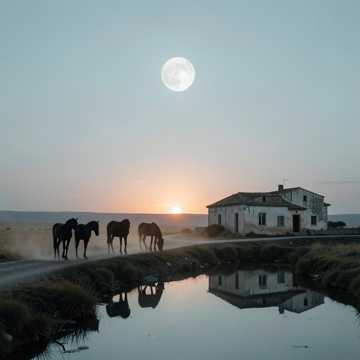
tropilha
Uma milonga gaúcha que descreve a tropilha de potros e estrelas, evocando solidão, beleza rural e o ritmo do campo sob a noite infinita, com nostalgia e poesia pampeana.
04:49
22 hours ago
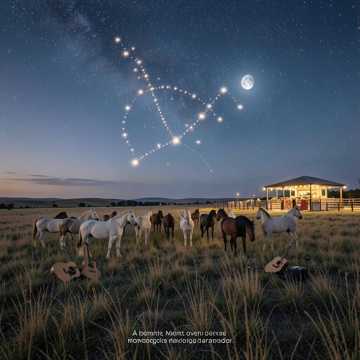
tropilha
Uma milonga campeira que transforma a noite gaúcha em uma viagem poética, com potros, estrelas e constelações criando imagens de liberdade e nostalgia no campo.
03:34
22 hours ago
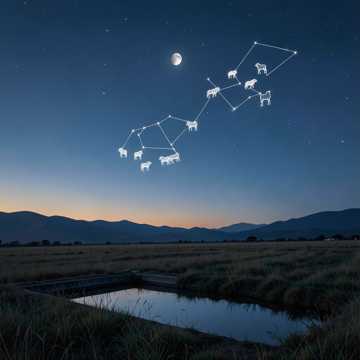
tropilha de estrelas
Uma milonga gauchesca que transforma o céu noturno e a solidão do pampa em uma viagem poética, com estrelas e lembranças formando uma tropilha luminosa ao ritmo do violão e da voz baixa e nostálgica.
04:49
22 hours ago

céu
Uma reflexão poética sobre a criação da natureza e a complexidade do ser humano, combinando imagens celestiais com questionamentos morais em uma fusão de estilos gaúchos, spoken word e metal.
03:02
2 days ago

céu
A música contempla a grandiosidade da natureza criada por Deus, exaltando céus, mares e animais, enquanto questiona a origem da maldade humana. Em ritmo de vaneira gaúcha e voz feminina, transmite beleza, reflexão e sensibilidade espiritual.
02:03
2 days ago
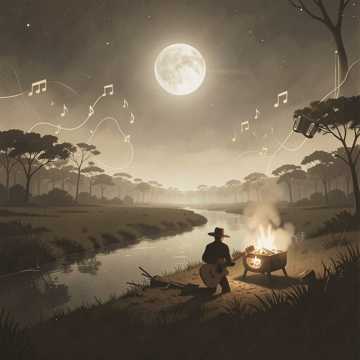
ENTRE FRONTEIRAS E O VENTO MINUANO
Uma milonga que homenageia a vida e a cultura dos gaúchos das fronteiras, entre rios, campos e cidades históricas, evocando memórias, tradições e o espírito do povo campeiro.
08:00
3 days ago

nao se esconde
Uma celebração da autenticidade e vulnerabilidade, 'nao se esconde' convida o ouvinte a se mostrar sem máscaras, com uma melodia sertaneja gaucha que embala sentimentos puros e gestos sinceros.
03:34
5 days ago
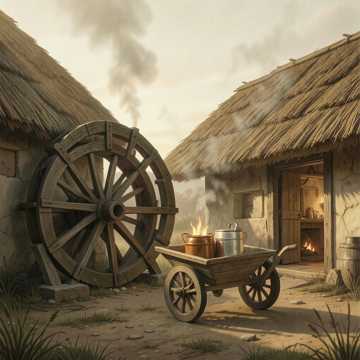
Tempo que não voltam mais
Uma música gaúcha nostálgica que relembra a infância na casa dos avós, o trabalho no engenho, a vida simples do campo e os valores familiares, trazendo emoções profundas sobre tempos felizes que jamais voltarão.
04:28
6 days ago

Foi Um Erro
A reflective yet danceable Gaúcho song exploring personal mistakes, fleeting desires, and spiritual return, all conveyed through heartfelt lyrics and lively sanfona-driven rhythms.
05:10
6 days ago
Introduction to the Gaucho Music Tag: Definition and History
Gaucho is a music tag rooted in the cultural traditions of the South American Pampas, particularly Argentina, Uruguay, and southern Brazil. The term 'Gaucho' originally refers to the skilled horsemen of the region, often compared to North American cowboys. Gaucho music reflects their way of life, capturing themes of freedom, nature, rural hardship, and romanticism. This musical style is heavily influenced by folk traditions, incorporating acoustic guitar, vocals, and regional instruments such as the bombo legüero and bandoneón. Gaucho music began taking shape in the 18th and 19th centuries as oral poetry and folk songs, eventually evolving into more refined and stylized forms through tango, milonga, and zamba influences. Over time, the Gaucho tag has expanded to encompass not only traditional folk but also modern interpretations, blending regional roots with contemporary genres.
Sub-tags and Classifications of the Gaucho Music Tag
Milonga
Milonga is one of the most prominent sub-genres under the Gaucho music tag. OriginatingGaucho Music Tag Overview in the Río de la Plata region, it features a rhythmic, syncopated structure and is performed with guitar and vocals. Milonga songs often narrate stories of Gaucho life, love, and the open plains.
Zamba
Zamba is a romantic, lyrical form associated with the Argentine northwest and part of Gaucho heritage. It is characterized by slow tempos, acoustic arrangements, and the use of the pañuelo (handkerchief) in dance. Zamba songs typically reflect longing, nostalgia, and patriotism.
Chamamé
Chamamé is a lively dance music originating from northeastern Argentina and is closely linked to Gaucho culture. It fuses Guarani and European influences, particularly Polka, and often features accordion, guitar, and bass. Its joyful and rhythmic qualities make it a staple at rural festivals.
Payada
Payada is a poetic improvisational sub-genre of Gaucho music where two performers engage in a lyrical duel or storytelling session, accompanied by guitar. This traditional art form emphasizes wit, rhyme, and deep cultural knowledge of the Pampas region.
Neo-Gaucho
Neo-Gaucho is a modern reinterpretation of traditional Gaucho music. It blends folk roots with contemporary genres such as rock, jazz, and electronic music, appealing to newer generations while preserving core themes of identity and nature.
Famous Artists and Works Related to the Gaucho Music Tag
Atahualpa Yupanqui
A legendary figure in Gaucho music, Atahualpa Yupanqui was an Argentine singer-songwriter and guitarist who elevated rural folk into poetic art. His songs like 'El arriero' and 'Los ejes de mi carreta' reflect the solitude and strength of Gaucho life. Yupanqui is revered for preserving Gaucho culture through profound lyrics and expressive guitar work.
El Arriero – Atahualpa Yupanqui
This iconic track encapsulates the hardships and perseverance of the Gaucho life. The guitar accompaniment mimics the rhythm of hoofbeats, while the lyrics use metaphor to describe the burdens of a solitary existence. Its poetic minimalism is a hallmark of Yupanqui’s influence on the genre.
Mercedes Sosa
Known as 'La Voz de América,' Mercedes Sosa was an influential folk singer who brought Gaucho music to international audiences. Her interpretations of traditional songs like 'Alfonsina y el mar' and 'Zamba para no morir' are deeply emotional and politically charged, making her a voice for the oppressed and a preserver of Argentine musical heritage.
Zamba para no morir – Mercedes Sosa
A poignant and melancholic piece, this song blends traditional Zamba rhythms with Sosa’s powerful vocals. The lyrics speak of spiritual resilience, deeply rooted in Argentine identity. Its widespread appeal and emotional depth have made it a staple in Gaucho and Latin American folk repertoires.
Osiris Rodríguez Castillos
A Uruguayan poet, musician, and folklorist, Osiris Rodríguez Castillos was instrumental in documenting and performing traditional Gaucho music. His work contributed to the formalization of Payada and other rural song forms, emphasizing authenticity and regional pride.
Milonga de Pelo Largo – José Larralde
This modern milonga composition brings attention to social themes and identity while staying true to traditional Gaucho rhythms. José Larralde’s deep voice and simple, acoustic instrumentation make it a powerful reflection of rural life and working-class values.
Luis Landriscina
While more widely known as a humorist and storyteller, Luis Landriscina has significantly contributed to the Gaucho music tradition through his recordings and performances that blend spoken word with traditional music, preserving oral history and folklore of rural Argentina.
Cielito de los Muchachos – Osiris Rodríguez Castillos
Blending lyricism with cultural pride, this song is emblematic of Uruguayan Gaucho tradition. The use of local dialect and historical references enriches the composition, positioning it as a cultural artifact as well as a musical piece.
Application Scenarios of the Gaucho Music Tag
Gaucho music is frequently used in historical or rural-themed films set in South America, adding depth and authenticity to scenes depicting countryside life, horseback riding, and emotional storytelling. Films like 'La Patagonia Rebelde' utilize Gaucho music to underscore themes of rebellion and identity.
Film and Television Soundtracks
In Argentina and Uruguay, Gaucho music is a central feature of events like Día de la Tradición or the Festival Nacional de Folklore. Live performances and traditional dances set to Gaucho music create a strong sense of heritage and community.
Cultural Festivals and National Events
Brands aiming to evoke rustic charm, tradition, or regional authenticity often incorporate Gaucho music in advertisements. Acoustic guitar melodies and folk rhythms can effectively establish a connection with rural heritage or natural products.
Advertising and Branding
Gaucho music is increasingly being used in games and immersive media experiences that involve exploration, cultural storytelling, or historical reenactments. Its use enhances the narrative and atmosphere, especially in games set in the Argentine pampas or historical Latin America.
Video Games and Interactive Media
In experiential travel, particularly rural tours and estancia stays, Gaucho music sets the tone for authentic South American adventures. From horseback excursions to traditional asados, the music reinforces the cultural immersion for tourists.
Tourism and Ecotourism Experiences