Free hallucinatory Music Generator Powered by AI
Turn text into high-quality hallucinatory music effortlessly – no login required!

music.toolTips
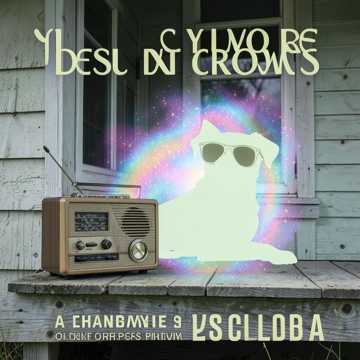
Smslm
'Smslm' channels a slow, 1930s acoustic delta blues vibe, narrating a dog's hallucinatory escapades with dark humor and psychedelic intensity, conveyed through slide guitar and soulful male vocals.
01:52
1 days ago

Void Serpent
Void Serpent is an immersive psytrance odyssey, blending razor-sharp bass, acid sequences, ritualistic textures, and cavernous drops into a hallucinatory, relentless 146 BPM journey that grips the mind and body.
04:45
6 days ago
Hallucinatory Music: Definition and History
Hallucinatory music is a genre characterized by its ability to induce altered states of perception, often mimicking the auditory experience of hallucinations. This genre often utilizes unconventional soundscapes, complex rhythms, dissonance, and surreal elements to create a sense of otherworldliness. The term has roots in early experimental and psychedelic music movements, dating back to the mid-20th century when artists began to explore sound manipulation and the psychological effects of music. Hallucinatory music evolved from the experimental work of artists like John Cage, and became more defined with the rise of psychedelic rock in the 1960s, where artists sought to replicate the experiences of drug-induced states. Over time, it integrated elements of ambient, industrial, and avant-garde music.
Sub-tags and Classifications of Hallucinatory Music
Psychedelic
Psychedelic music, a direct precursor to hallucinatory sounds, uses distorted audio effects, reverb, and trippy soundscapes to evoke altered statesHallucinatory Music Overview of consciousness. It often features long instrumental passages, experimental structures, and surreal lyrics that can induce a sense of mind expansion. The genre is strongly associated with the 1960s counterculture and psychedelic drug experiences.
Ambient
Ambient hallucinatory music emphasizes atmosphere over traditional musical structures. Often instrumental and characterized by smooth, evolving sound textures, this sub-tag creates immersive environments that transport the listener to dreamlike or otherworldly spaces. It is commonly used in sound design for films and video games to enhance the emotional atmosphere.
Avant-garde
Avant-garde hallucinatory music pushes the boundaries of traditional music theory, often utilizing unconventional instruments, non-linear compositions, and experimental techniques. This sub-tag explores the extremes of sound design and acoustics, creating highly abstract pieces that challenge listeners to rethink their relationship with music and perception.
Drone
Drone music within the hallucinatory genre focuses on the use of sustained tones and minimalistic, repetitive structures. It creates a hypnotic, meditative effect, inducing a trance-like state for listeners. The sub-tag is closely associated with both electronic and acoustic experimentation and is often used to evoke a sense of infinite space or timelessness.
Famous Artists and Classic Works in Hallucinatory Music
Pink Floyd
Pink Floyd is one of the most iconic bands associated with hallucinatory music, particularly through their groundbreaking 1973 album, *The Dark Side of the Moon*. Their music blends elements of progressive rock, psychedelia, and experimental sound design, using long instrumental passages and abstract concepts to explore themes of consciousness, insanity, and the human condition. Their immersive live shows also played a significant role in the genre's evolution.
The Dark Side of the Moon by Pink Floyd
Pink Floyd's *The Dark Side of the Moon* is a quintessential work of hallucinatory music. With its fusion of ambient textures, experimental sound effects, and profound philosophical themes, the album takes listeners on an auditory journey through the complexities of life, death, and mental illness. The use of synthesized sounds, tape loops, and advanced studio techniques helped to create an immersive listening experience that blurs the line between reality and the hallucinatory.
Aphex Twin
Aphex Twin, the stage name of Richard D. James, is known for his pioneering work in ambient, IDM (Intelligent Dance Music), and hallucinatory soundscapes. His album *Selected Ambient Works 85-92* is a prime example of his ability to craft mind-altering music that blends soothing, atmospheric tones with experimental electronic rhythms, creating a unique listening experience that induces altered states of perception.
Selected Ambient Works 85-92 by Aphex Twin
This album by Aphex Twin is a landmark in hallucinatory ambient music. The album’s use of intricate, atmospheric layers and subtle rhythm structures creates a surreal, almost dream-like effect. Tracks like 'Xtal' and 'Tha' are prime examples of how electronic music can induce altered mental states through their use of deep, pulsating bass and smooth, evolving soundscapes.
Brian Eno
Brian Eno is a key figure in the development of ambient and hallucinatory music. His work in the 1970s and beyond, particularly his *Ambient 1: Music for Airports*, helped define the ambient sub-tag, which often creates hallucinatory effects by using minimalistic sound patterns. Eno's experiments with tape loops, reverb, and synthetic sound textures have influenced many artists in the genre.
Ambient 1: Music for Airports by Brian Eno
Brian Eno's *Ambient 1: Music for Airports* is a seminal work that defines the ambient sub-genre within hallucinatory music. The album's minimalist, looped structures and slow-moving, evolving textures create a calming, dreamlike atmosphere. Eno's innovative use of studio technology and his concept of 'ambient' music as a background experience changed the way sound was perceived in both art and popular culture.
Application Scenarios for Hallucinatory Music
Hallucinatory music is often used in film soundtracks to heighten the emotional and psychological impact of a scene. For instance, the use of ambient and psychedelic music in movies like *2001: A Space Odyssey* and *Enter the Void* helps to create a sense of otherworldliness, enhance dreamlike sequences, or explore themes of altered consciousness.
Movie Soundtracks
In video games, hallucinatory music is frequently employed to create immersive, surreal worlds or to enhance the experience of navigating through dream-like or alien environments. Games like *LSD: Dream Emulator* and *Inside* make use of this genre to evoke strange and unsettling atmospheres that resonate deeply with players.
Video Game Background Music
Hallucinatory music is also used in advertising to evoke emotional responses or create an unforgettable experience. Brands often use ambient or psychedelic soundscapes in commercials to transport viewers to an alternate reality, enhancing the narrative and emotional pull of the advertisement. This can be especially effective in campaigns targeting younger, more experimental audiences.
Advertising and Branding