Free Horror Music Generator Powered by AI
Turn text into high-quality Horror music effortlessly – no login required!

music.toolTips
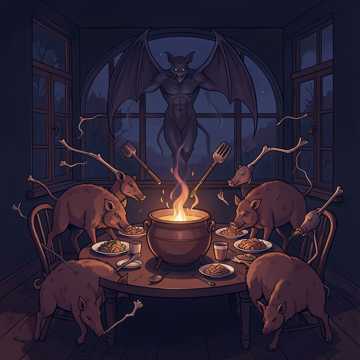
Людоед
Мрачный, театральный металлический трек с элементами нео-фолка, описывающий кровавый семейный обед людоедов и вампиров глазами ночного нетопыря.
05:29
6 days ago
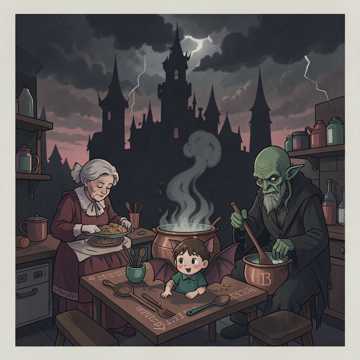
456
456 immerses listeners in a darkly whimsical feast of horror and family mischief, combining growling vocals, industrial folk elements, and visceral imagery of a vampiric, cannibalistic household.
04:00
6 days ago
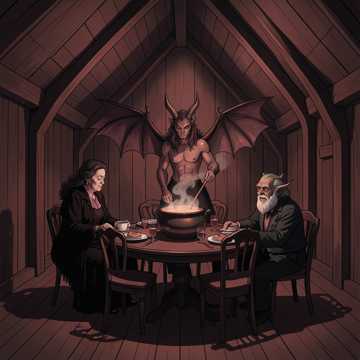
456
Темный, агрессивный металл с элементами неофолка и индустриального баса, описывает зловещий обед в семье чудовищ через ужасающую и гротескную атмосферу.
03:16
6 days ago
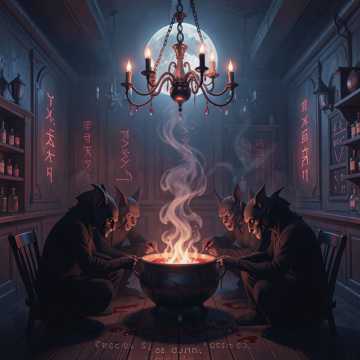
456
A dark, horror-infused metal track depicting a monstrous family’s chaotic feast, blending growling vocals, Viking-inspired instrumentation, and industrial rhythms to evoke a vivid nightmarish atmosphere.
04:04
6 days ago
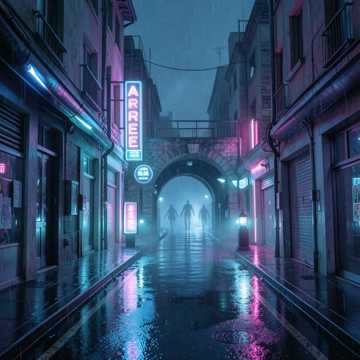
Pasillos de Sangre
A synthwave horror instrumental blending driving beats, eerie synths, and cinematic tension, evoking a neon-drenched, suspenseful night journey with ghostly female vocals and textured sound design.
03:49
6 days ago
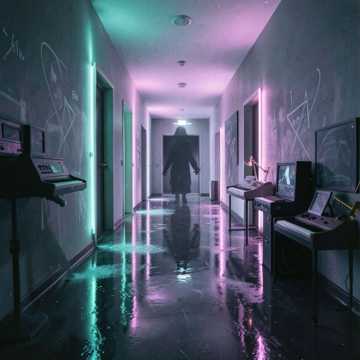
Pasillo de Tiza
A synthwave horror journey with retro-modern slasher energy, blending analog synth stabs, distorted choir pads, and tense drum pulses to create a wide, glossy, and menacing sonic landscape.
05:24
6 days ago
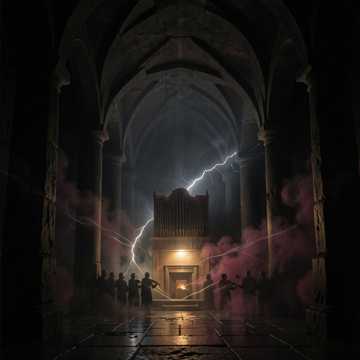
Catacomb Overture
A haunting 1980s-style horror orchestral piece, blending ominous brass, low strings, pipe organ, and eerie choir to evoke terror and suspense in a cinematic, wide, and thunderous soundscape.
02:46
6 days ago
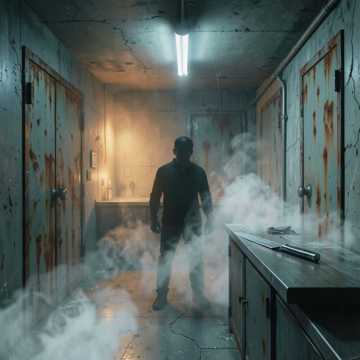
Каннибал
Темная и агрессивная композиция о страхе и насилии, переданная шепотом и а капелла вокалом, с медленным, тяжёлым ритмом в стиле Straydacore и Nu-metal.
03:12
6 days ago
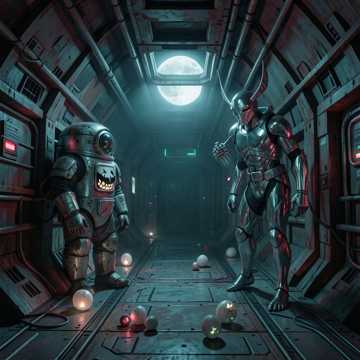
Bug Hunt Boogie
'Bug Hunt Boogie' is a 1990s swing rap tale of survival on a bug-infested moon, blending dark comedy, horror imagery, and gritty rhythmic energy with chanty hooks and cinematic musical flair.
03:07
6 days ago
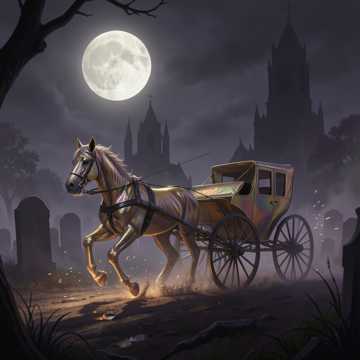
The ghost carriage From The W Farm
A cursed ghost carriage hunts the night through a collapsing world of greed, death, and demonic terror. Combining eerie whispered storytelling with explosive nu-metal aggression, the song spirals into paranoia, anguish, and supernatural doom.
04:24
6 days ago
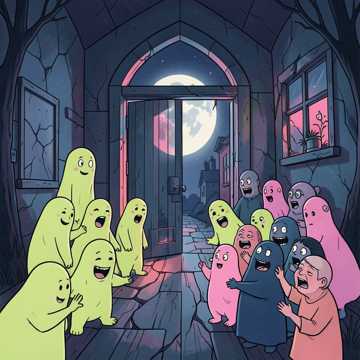
Te Voy a Asustar
Un pop infantil en español que mezcla terror y diversión, con monstruos, fantasmas y juegos sonoros que hacen brincar el corazón mientras invita a reír y explorar lo misterioso.
02:34
Invalid date
Understanding the Horror Music Genre
Horror music is a genre primarily used to evoke feelings of fear, tension, and unease in its listeners. Originating from the need to heighten suspense and terror in films, horror music has evolved into a standalone genre used in various media formats, including movies, games, and advertising. The origins of horror music can be traced back to the early 20th century with the rise of horror cinema, where composers began experimenting with dissonant tones, low frequencies, and unconventional instrumentation to elicit a sense of dread. Over time, this evolved into a distinct genre known for its use of eerie sounds, suspenseful themes, and aggressive compositions.
Sub-tags and Classifications within the Horror Music Genre
Psychological Horror
Psychological horror music focuses on creating a sense of unease, paranoia, and discomfort. It often uses subtle dissonance, slow tempos, and ambient sounds to heighten the tension. This type of music is commonly found in thrillers and psychological horror films where the fear is more about the mental state of the characters than physical threats.
Gothic Horror
Gothic horror music draws on the themes of the gothic literary tradition, often incorporating orchestral arrangements and dark, melancholic melodies. It evokes feelings of dread, mystery, and the supernatural, making it a popular choice for stories involving haunted houses, ghosts, and ancient curses.
Slasher Horror
Slasher horror music is often fast-paced and aggressive, with the goal of creating a sense of panic and chaos. It is characterized by sharp stabs of sound, heavy percussion, and dissonant chords. This type of music is frequently used in slasher films and horror video games, where the focus is on graphic violence and jump-scare moments.
Monster Horror
Monster horror music is designed to accompany scenes featuring monstrous creatures, such as vampires, werewolves, and other supernatural beings. The music often incorporates low, rumbling bass tones, eerie sound effects, and dramatic orchestral movements to create a sense of looming danger and unpredictability.
Occult Horror
Occult horror music is typically dark and unsettling, incorporating elements of ritualistic sounds, choral arrangements, and mystical effects. It is designed to evoke themes of witchcraft, demons, and dark rituals, often used in horror films and games involving the supernatural or forbidden knowledge.
Famous Artists and Iconic Works in the Horror Music Genre
John Carpenter
John Carpenter is widely regarded as one of the pioneers of horror film music. His iconic synthesizer-driven soundtracks for films like *Halloween* (1978) and *The Fog* (1980) have become synonymous with the horror genre. His minimalist, eerie melodies, combined with stark rhythms, have influenced generations of horror composers.
Halloween (1978)
John Carpenter's *Halloween* remains one of the most iconic horror film scores of all time. The simple, repetitive piano motif that plays throughout the film has become synonymous with the slasher genre. Its minimalist structure builds tension and anticipation, making it one of the most memorable and influential horror scores in cinematic history.
Bernard Herrmann
Bernard Herrmann's work for Alfred Hitchcock’s *Psycho* (1960) is one of the most influential horror scores in history. His use of screeching violins during the infamous shower scene has become a defining moment in horror music, showcasing how music can be used to heighten suspense and terror.
Psycho (1960)
Bernard Herrmann’s score for *Psycho* is a masterclass in tension-building. The screeching violins in the shower scene are among the most recognizable sounds in horror music. Herrmann’s use of strings to create sharp, sudden bursts of sound mirrors the shock of the killings, making the score an essential element in the film's psychological terror.
Ennio Morricone
Ennio Morricone, known for his work in both westerns and horror, composed the haunting score for *The Thing* (1982). His atmospheric and experimental music, including the use of unsettling sound design, perfectly complements the alien terror central to the film.
The Exorcist (1973)
The score for *The Exorcist*, composed by Jack Nitzsche and featuring elements from Mike Oldfield’s *Tubular Bells*, uses eerie, dissonant sounds to amplify the horror of the supernatural events on screen. The haunting main theme has been a staple of horror film music, helping to evoke a sense of possession and otherworldly evil.
Trent Reznor & Atticus Ross
Trent Reznor and Atticus Ross, known for their work with Nine Inch Nails, have also made significant contributions to the horror genre through their film scores. Their work for *The Social Network* (2010) and *Gone Girl* (2014) showcases a haunting and experimental approach, blending industrial sounds with eerie atmospherics.
Application Scenarios of Horror Music
Horror music is most commonly used in movie soundtracks to enhance the sense of fear, suspense, and tension. For instance, in slasher films like *Halloween* and psychological thrillers like *The Sixth Sense*, the music sets the tone, building dread even before any visual horror occurs.
Movie Soundtracks
In horror video games, music plays a crucial role in creating atmosphere. Games like *Silent Hill* and *Resident Evil* use eerie, ambient soundtracks that complement the terrifying visuals. The music works to immerse players in a tense environment where danger lurks around every corner.
Video Game Background Music
Horror music is occasionally used in advertising to create an edgy, dramatic atmosphere. For instance, ads for Halloween-themed products or horror-related events may use suspenseful or creepy soundtracks to evoke an eerie mood, enhancing the thematic feel of the promotion.
Advertising Music
In haunted houses, escape rooms, and other horror-themed attractions, music is used to manipulate the emotional state of the audience. Suspenseful scores, unsettling sound effects, and sudden musical stings increase the sense of fear, amplifying the thrill of the experience.
Haunted Attractions and Escape Rooms