
Free Indigenous Language Music Generator Powered by AI
Turn text into high-quality Indigenous Language music effortlessly – no login required!

music.toolTips

ai
A soulful blues twist weaving longing and intimate promises, blending evocative guitar, bass, drums, and tender female vocals to create a mystical, emotional journey.
03:05
21 hours ago

POLINYO MOMPILE’I OKO
Lagu ini mengisahkan cinta yang tetap terjaga meski waktu berlalu. Sang tokoh menemukan tempat pulang dalam sosok yang dicintai, menjadikan kenangan, doa, dan kesetiaan sebagai ikatan abadi yang mengalahkan jarak, rindu, dan perubahan dunia.
04:19
2 days ago

POLINYO MOMPILE’I OKO
Lagu ini mengisahkan cinta yang tetap hidup dalam kenangan, doa, dan harapan. Sosok yang dicintai menjadi tempat pulang hati, sementara waktu berlalu tanpa mampu menghapus kesetiaan dan kerinduan yang mendalam.
04:20
2 days ago

Lamen kemang
Lagu tuh nyaritaka kerinduan ba panyayang nang jauh, kenangan manis, ba perjuangan ate menerima keadaan. Suasana sedih, muram, tapi tetap baisi harapan, membawa rasa ikhlas ba kasih nang dalam.
04:46
2 days ago

Lamen kemang
Lagu tu ngisahka rasa kasih ti dalam, kerinduan ba seseorang, enggau penerimaan ikhlas. Suasana muram, sedih, tang tetap bisi pengharapan, dipaduka enggau tenaga rock-pop ti epik sereta menyentuh ate.
04:04
2 days ago

Lamen kemang
A deeply emotional rock-pop ballad blending melancholy and hope, reflecting personal longing, inner reflection, and heartfelt sincerity with slow, epic male vocals.
04:19
2 days ago

Wawei Dusun Witu
Lagu tu nyaritakan perasaan cinta, rindu, enggau keterikatan mendalam ka Wawei Dusun Witu. Tokoh dalam lagu ngenang hubungan emosional nang kuat, merasakan getaran hati, lalu terus menyimpan harapan, kasih sayang, enggau semangat dalam perjalanan hidup.
03:46
3 days ago

Mirkia Kunopki
Yesus Allah Mirkia Kunopki. Nu ngolmina pukon denderep, kamdikpe ekaristi dingbali petan. Sep sil yapia tan nu kaka sepere, betaero malmep nua sepkel son bainemo. Lagu ibadah lembut dengan doa, iman, dan pujian yang berulang.
03:27
4 days ago
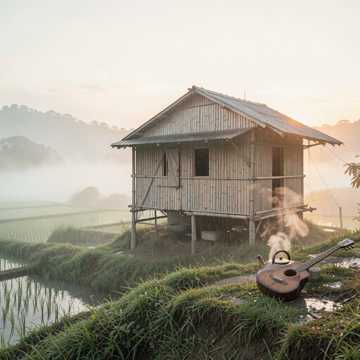
Kasungu tumpuk natatku
Lagu ini menceritakan perjuangan seorang perantau yang bekerja jauh dari kampung halaman. Meski jarang pulang, ia tetap menyimpan cinta, kerinduan, dan perhatian yang besar kepada keluarga, sahabat, serta tanah kelahirannya.
03:39
5 days ago
Indigenous Language Music: Definition, Origins, and Cultural History
Indigenous Language music refers to musical works performed in the native languages of Indigenous peoples around the world. This genre includes traditional, ceremonial, folk, contemporary, fusion, and modern popular music created in languages spoken by First Nations, Native American, Inuit, Māori, Sámi, Aboriginal Australian, Ainu, Quechua, Navajo, Cherokee, and many other Indigenous communities. Indigenous Language music serves not only as artistic expression but also as a powerful vehicle for cultural preservation, storytelling, spiritual practice, historical memory, and language revitalization. Historically, Indigenous Language music predates written musical traditions and was passed down orally through chants, drumming, dance songs, ritual performances, and communal ceremonies. Before colonization, Indigenous communities used music in daily life, including healing ceremonies, seasonal festivals, hunting rituals, weddings, funerals, and spiritual gatherings. During colonial expansion across the Americas, Oceania, Asia, and the Arctic regions, many Indigenous languages wereIndigenous Language Music suppressed or endangered, causing traditional music practices to decline. However, Indigenous Language music survived through oral transmission, ceremonial continuity, and community resilience. In the late 20th and early 21st centuries, Indigenous Language music experienced a global revival. Artists began blending ancestral languages with modern genres such as rock, hip-hop, electronic music, folk, jazz, reggae, and pop. This fusion created a new generation of Indigenous Language music that appealed to younger audiences while preserving linguistic heritage. Today, Indigenous Language music is recognized globally for its cultural importance, emotional depth, rhythmic diversity, and role in protecting endangered languages. Streaming platforms, international music festivals, film soundtracks, and educational programs have further expanded the visibility of Indigenous Language music worldwide.
Sub-tags and Classifications of Indigenous Language Music
Traditional Indigenous Chant
Traditional Indigenous Chant focuses on ceremonial vocal performances rooted in ancestral customs and spiritual traditions. These chants often use repetitive rhythms, call-and-response structures, and sacred lyrical content in Indigenous languages. Commonly accompanied by drums, rattles, flutes, or hand percussion, traditional chants are central to rituals, healing ceremonies, storytelling, and community gatherings.
Indigenous Folk Music
Indigenous Folk Music combines oral storytelling traditions with acoustic instrumentation and regional musical styles. Songs often preserve historical narratives, ecological knowledge, migration stories, and cultural teachings. Indigenous folk music typically features natural vocal techniques, handmade instruments, and lyrical themes connected to land, ancestry, and identity.
Contemporary Indigenous Pop
Contemporary Indigenous Pop merges Indigenous languages with mainstream pop production, electronic beats, melodic hooks, and commercial songwriting structures. This sub-tag has become increasingly popular among younger generations seeking to celebrate Indigenous identity while engaging with global music trends. The genre plays a major role in language revitalization and cultural representation in modern media.
Indigenous Hip-Hop and Rap
Indigenous Hip-Hop and Rap use Indigenous languages in lyrical storytelling, spoken word performance, and socially conscious music. Artists often address themes such as colonial history, land rights, social justice, identity, environmental protection, and intergenerational trauma. This sub-tag has become a powerful platform for Indigenous youth activism and cultural empowerment.
Indigenous Fusion
Indigenous Fusion blends traditional Indigenous musical elements with genres such as jazz, rock, reggae, electronic, ambient, and world music. Artists experiment with modern production techniques while incorporating native vocal styles, ceremonial rhythms, and Indigenous-language lyrics. This classification appeals to international audiences while maintaining strong cultural roots.
Ceremonial and Spiritual Indigenous Music
Ceremonial and Spiritual Indigenous Music is closely connected to sacred traditions, religious practices, and spiritual communication. Often performed during seasonal rituals, healing ceremonies, and rites of passage, this music emphasizes communal participation, sacred symbolism, and spiritual resonance. Indigenous languages are essential in preserving the original meaning and spiritual integrity of these performances.
Indigenous Language Children's Music
Indigenous Language Children's Music is designed to support language learning and cultural education for younger generations. These songs often include simple melodies, educational themes, traditional stories, and interactive rhythms that help children develop fluency in Indigenous languages while connecting with cultural heritage.
Indigenous Electronic and Ambient Music
Indigenous Electronic and Ambient Music combines atmospheric sound design with Indigenous-language vocals, traditional instruments, and environmental recordings. Artists in this sub-tag create immersive musical landscapes that explore themes of nature, spirituality, memory, and Indigenous futurism.
Famous Indigenous Language Artists and Classic Works
Buffy Sainte-Marie
Buffy Sainte-Marie is a pioneering Indigenous singer-songwriter of Cree heritage whose work combines Indigenous identity, folk music, activism, and political commentary. Her music incorporates Indigenous themes and language preservation while addressing issues such as Indigenous rights, war, and environmental justice. Representative works include 'Universal Soldier' and 'Now That the Buffalo's Gone.'
Wolastoqiyik Lintuwakonawa - Jeremy Dutcher
This groundbreaking album revitalizes the endangered Wolastoqey language through a fusion of classical piano, operatic vocals, archival recordings, and Indigenous storytelling. The work stands out for its emotional intensity and innovative preservation of historical recordings, transforming cultural archives into living contemporary art.
A Tribe Called Red (The Halluci Nation)
A Tribe Called Red, later renamed The Halluci Nation, revolutionized Indigenous Language music by blending powwow vocals with electronic dance music, hip-hop, and dubstep. Their innovative 'powwow-step' style introduced Indigenous-language music to global electronic audiences and created a new space for Indigenous youth culture in contemporary music.
Treaty - Yothu Yindi
Released during a critical period in Australian political discourse, 'Treaty' combines Indigenous-language lyrics, rock instrumentation, dance rhythms, and traditional Aboriginal musical elements. The song became internationally influential for its political messaging, cultural fusion, and mainstream success.
Jeremy Dutcher
Jeremy Dutcher is a classically trained Wolastoqiyik tenor and composer known for revitalizing endangered Indigenous languages through music. His acclaimed album 'Wolastoqiyik Lintuwakonawa' combines archival recordings with contemporary orchestration and Indigenous-language singing, preserving linguistic heritage while creating emotionally powerful compositions.
Electric Pow Wow Drum - A Tribe Called Red
This iconic work helped define the powwow-step genre by combining electronic dance beats with traditional powwow chants and Indigenous vocal samples. The track introduced a futuristic Indigenous sound that resonated with both club audiences and Indigenous youth communities worldwide.
Alien Weaponry
Alien Weaponry is a Māori metal band from New Zealand that performs many songs in the Māori language. The band has gained international recognition for merging thrash metal with Indigenous storytelling, historical themes, and cultural pride, helping bring Māori language music to global rock audiences.
Animism - Tanya Tagaq
Tanya Tagaq's 'Animism' reimagines Inuit throat singing through experimental production, emotional improvisation, and atmospheric textures. The album explores themes of nature, violence, spirituality, and survival while pushing the boundaries of Indigenous Language music into avant-garde territory.
Tanya Tagaq
Tanya Tagaq is an Inuit throat singer whose experimental approach combines Indigenous vocal traditions with avant-garde, ambient, and electronic music. Her performances are deeply emotional, improvisational, and rooted in Inuit cultural expression. She has significantly expanded global awareness of Indigenous vocal art forms.
Kai Tangata - Alien Weaponry
Performed in the Māori language, 'Kai Tangata' combines aggressive metal instrumentation with historical storytelling about intertribal conflict and cultural memory. The work demonstrates how Indigenous Language music can thrive within global heavy metal culture while maintaining authenticity and educational value.
Yothu Yindi
Yothu Yindi is an Australian Aboriginal band known for integrating Yolŋu Matha language, Indigenous instruments, and rock music. Their internationally successful song 'Treaty' became an anthem for Indigenous rights and cross-cultural dialogue in Australia.
Application Scenarios for Indigenous Language Music
Indigenous Language music is frequently used in film soundtracks to create emotional authenticity, cultural depth, and historical atmosphere. Indigenous-language chants, ambient vocals, and ceremonial rhythms help filmmakers represent Indigenous communities respectfully while enhancing cinematic storytelling.
Movie Soundtracks
Game developers increasingly incorporate Indigenous Language music into open-world, historical, and fantasy games to create immersive environments and culturally inspired narratives. Indigenous vocal textures and traditional instrumentation enrich exploration scenes, spiritual encounters, and environmental storytelling.
Video Game Background Music
Documentaries focused on cultural heritage, environmental preservation, and Indigenous history often use Indigenous Language music to reinforce authenticity and emotional engagement. Educational institutions also use this music in language revitalization programs and cultural awareness initiatives.
Documentary and Educational Media
Brands seeking authentic storytelling and socially conscious messaging may incorporate Indigenous Language music into advertising campaigns related to sustainability, environmental protection, travel, and cultural collaboration. The music adds emotional resonance and cultural uniqueness.
Advertising and Brand Campaigns
Museums, art exhibitions, and cultural festivals use Indigenous Language music to create immersive experiences that celebrate Indigenous heritage, oral traditions, and historical narratives. Live performances and recorded soundscapes enhance visitor engagement and educational impact.
Cultural Festivals and Museums
Ambient Indigenous Language music featuring traditional chants, nature recordings, flutes, and ceremonial rhythms is widely used in meditation, yoga, and wellness settings. The spiritual and natural qualities of the music promote relaxation, mindfulness, and emotional reflection.
Meditation and Wellness Programs
Schools, community organizations, and digital learning platforms use Indigenous Language music as an engaging educational tool for teaching pronunciation, vocabulary, storytelling, and cultural traditions. Music-based learning helps younger generations reconnect with endangered Indigenous languages.
Language Revitalization Programs