
Free Koto Music Generator Powered by AI
Turn text into high-quality Koto music effortlessly – no login required!

music.toolTips
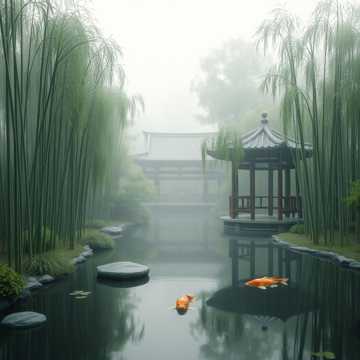
Jardin de pluie
Jardin de pluie is a meditative Japanese ambient piece, blending koto, shakuhachi-like breaths, and soft taiko pulses with rain and field recordings, evoking serene introspection and tranquil landscapes.
07:18
2 days ago

TINH DẠ
TINH DẠ khắc họa nỗi cô đơn của một chàng trai lạc lõng giữa thành phố đêm rực sáng. Với hình ảnh mưa, hoa anh đào và sao băng, ca khúc mang cảm giác đau buồn, trống rỗng nhưng vẫn đẹp đẽ và giàu chất điện ảnh.
06:00
2 days ago

Japanese Musical Instruments Hiphop-MidleTempo-LateNight-③
A 5-minute instrumental blending traditional Japanese instruments with 90s hip-hop breakbeats, creating a smoky, introspective late-night atmosphere with Shakuhachi-led melodies, Shamisen accents, and punchy Taiko rhythms.
03:46
3 days ago

Japanese Musical Instruments Hiphop-MidleTempo-LateNight-③
A moody instrumental hiphop track fusing traditional Japanese instruments with dusty 90s boom bap grooves. Shakuhachi melodies, shamisen accents, and taiko rhythms create a reflective late-night atmosphere with gritty yet relaxed energy.
02:48
3 days ago

Paper Lantern Rain
A bittersweet duet about love preserved through memory, where rain, lantern light, and fading keepsakes evoke longing, regret, and enduring emotional connection across time.
04:38
Invalid date

Crimson Torii Dawn
An instrumental epic blending cinematic orchestral elements with Japanese motifs, evolving from sparse taiko and shakuhachi lines into soaring brass, choir, and koto-laden climaxes, perfect for heroic or reflective cinematic scenes.
03:18
3 days ago

桜の鈴
A tender Japanese folk ballad celebrating spring's arrival, innocence, and the joy of small adventures, conveyed through gentle instrumentation, luminous vocals, and playful melodies.
04:45
3 days ago
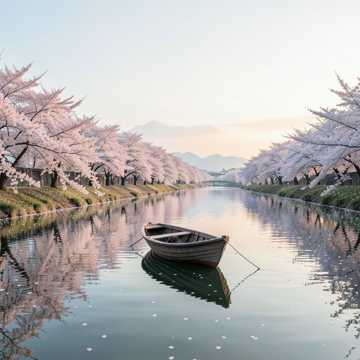
桜の小舟
A tender Japanese folk-pop piece celebrating fleeting moments of spring, friendship, and hope, with airy vocals and traditional instruments creating a nostalgic, heartwarming journey.
04:05
3 days ago

Japanese Musical Instruments Hiphop-MidleTempo-LateNight-③
A 5-minute instrumental journey fusing 90s hip hop with traditional Japanese instruments, offering introspective late-night moods and crisp, punchy beats perfect for reflective or relaxed moments.
03:14
4 days ago

Japanese Musical Instruments Hiphop-MidleTempo-LateNight-③
A 5-minute instrumental journey blending Shakuhachi, Shamisen, Koto, and Taiko with 90s alternative hip-hop beats, creating a laid-back, introspective late-night atmosphere.
03:29
4 days ago

Japanese Musical Instruments Hiphop-MidleTempo-LateNight-③
A 5-minute instrumental journey melding Shakuhachi, Shamisen, Koto, and Taiko with 90s hiphop breakbeats, evoking smoky late-night introspection through crisp snares and punchy drums.
05:29
4 days ago

Japanese Musical Instruments Hiphop-MidleTempo-LateNight-③
A 5-minute instrumental journey blending 90s boombap with Shakuhachi, Shamisen, Koto, and Taiko, delivering a laid-back, gritty late-night hiphop vibe with introspective textures and crisp percussion.
02:31
4 days ago
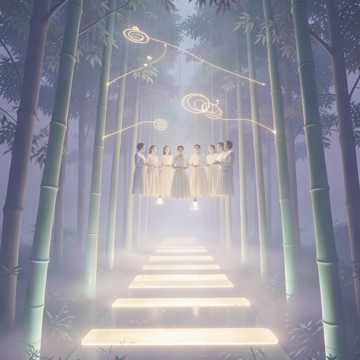
林间微光
A delicate, slow 6/8 instrumental blending piano, koto, bamboo flute, and ethereal choir pads, evoking quiet forest light and cinematic serenity.
03:40
Invalid date

Stone and water 2
A slow, ethereal instrumental evoking Zen landscapes, blending traditional Japanese instruments with natural ambient sounds for introspective calm and wabi-sabi beauty.
05:17
4 days ago

月見ステップ
『月見ステップ』は、偶然の出会いから始まる心の高鳴りを描いたアップリフティングなJ-Popダンス曲。月夜の輝きと共に、ふたりの距離が少しずつ近づいていく幸福感と希望を、鮮やかなユーロダンスサウンドで表現している。
03:22
5 days ago

Japanese Musical Instruments Hiphop-MidleTempo-RisingSun-③
A nostalgic instrumental hiphop track merging traditional Japanese instruments with 90s boom bap grooves. Shakuhachi melodies, shamisen accents, and taiko rhythms create a reflective urban atmosphere balancing serenity, grit, and cinematic motion.
03:19
5 days ago

Japanese Musical Instruments Hiphop-MidleTempo-RisingSun-③
A nostalgic instrumental hiphop track merging traditional Japanese instruments with 90s boom bap rhythms. Shakuhachi melodies, shamisen accents, and taiko-driven grooves create an introspective urban atmosphere that feels both ancient and modern.
03:55
5 days ago

Japanese Musical Instruments Hiphop-MidleTempo-RisingSun-③
A 5-minute instrumental journey merging traditional Japanese instruments with 90s hip-hop breakbeats, creating a laid-back yet gritty introspective atmosphere reminiscent of the rising sun over urban landscapes.
03:46
5 days ago

Japanese Musical Instruments Hiphop-MidleTempo-RisingSun-③
An instrumental journey blending traditional Japanese instruments with 90s hiphop, featuring Shakuhachi, Shamisen, Koto, and Taiko over crisp breakbeats, evoking a laid-back yet gritty urban sunrise atmosphere.
03:18
5 days ago

Japanese Musical Instruments Hiphop-MidleTempo-RisingSun-③
A nostalgic instrumental hiphop track merging traditional Japanese instruments with 90s boom bap aesthetics. Shakuhachi melodies, shamisen accents, koto harmonies, and taiko rhythms create an introspective urban atmosphere inspired by the city of the rising sun.
02:57
5 days ago
Comprehensive Introduction to the Traditional Japanese Instrument Tag: Koto
The koto is a traditional Japanese stringed musical instrument that belongs to the zither family. Characterized by its long, rectangular body and 13 strings stretched over movable bridges, the koto is plucked using three finger picks. Originating from the Chinese guzheng and introduced to Japan during the Nara period (710–794), the koto evolved uniquely within Japanese court music known as gagaku. Over centuries, it became a prominent solo and ensemble instrument, especially during the Edo period (1603–1868), when it was embraced by both aristocratic and commoner classes. Today, the koto stands as a cultural symbol and a core keyword in traditional Japanese music, with applications in both classical and contemporary genres.
Sub-tags and Classifications in the Koto Music Genre
Classical Koto
Classical koto refers to traditional compositions often rooted in historical Japanese music forms such as gagaku and sankyoku. This styleKoto Music Overview is typically characterized by complex musical structures and adherence to historical performance practices.
Contemporary Koto
Contemporary koto explores modern compositions and fusions with Western instruments. This sub-tag includes avant-garde music, jazz-koto hybrids, and experimental soundscapes, often featuring the koto in non-traditional contexts.
Kumiuta
Kumiuta is a traditional form of koto music that pairs poetry and song lyrics with instrumental koto accompaniment. It often reflects themes from classical Japanese literature and is known for its refined and poetic aesthetics.
Sankyoku Ensemble
This sub-tag involves the koto being played alongside the shamisen and shakuhachi in ensemble settings. Sankyoku music emphasizes harmonious interplay between the instruments and is a key part of traditional chamber music in Japan.
Solo Koto Improvisation
Solo koto improvisation emphasizes individual expression and technique, allowing musicians to explore diverse musical textures. This style often appears in modern and experimental performances.
Famous Artists and Iconic Works in the Koto Music Tag
Miyagi Michio
Miyagi Michio (1894–1956) is widely considered the father of modern koto music. He revolutionized the instrument by introducing new techniques, compositions, and even creating the 17-string bass koto. His famous piece 'Haru no Umi' remains one of the most performed koto works globally.
Haru no Umi
Composed by Miyagi Michio in 1929, 'Haru no Umi' (The Sea in Spring) is a duet for koto and shakuhachi. The piece captures the gentle, flowing imagery of Japan's seascape and exemplifies modern tonal experimentation within traditional forms.
Sawai Kazue
Sawai Kazue is known for her pioneering work in contemporary koto music. A co-founder of the Sawai Koto School, she collaborated with modern composers and incorporated avant-garde styles, expanding the expressive potential of the instrument.
Rokudan no Shirabe
This iconic work by Yatsuhashi Kengyō is one of the foundational pieces in the classical koto repertoire. Structured in six dan (sections), it showcases the refined elegance and melodic sensibility typical of Edo-period koto music.
Yatsuhashi Kengyō
A 17th-century blind musician, Yatsuhashi Kengyō is credited with adapting the koto from court music to more accessible styles. He composed the iconic 'Rokudan no Shirabe,' one of the most studied and performed classical koto pieces.
Midare
Attributed to Yatsuhashi Kengyō, 'Midare' (Disorder) is a visually and sonically complex piece that deviates from strict rhythmic structures. Its innovative design made it a benchmark for creative koto compositions in classical traditions.
Keiko Nosaka
Keiko Nosaka was instrumental in developing the 20-string koto and performing contemporary works. Her technical mastery and innovation opened up new possibilities for both performers and composers in the koto tradition.
Tori no Yo ni
Composed by Minoru Miki and performed by Keiko Nosaka, 'Tori no Yo ni' (Like a Bird) features the 20-string koto. It reflects the instrument's soaring potential and introduces advanced techniques in pitch bending and texture layering.
Modern Application Scenarios of the Koto Music Tag
Koto music is frequently used in Japanese historical dramas, anime, and samurai films to evoke traditional Japanese atmospheres. Its distinct timbre helps create an authentic cultural setting and emotional resonance.
Film and Television Soundtracks
Game developers integrate koto music in titles like 'Ghost of Tsushima' and 'Sekiro: Shadows Die Twice' to immerse players in feudal Japan environments. The koto’s sound enhances gameplay by adding emotional and historical depth.
Video Game Music
Koto music is often employed in advertisements to represent sophistication, heritage, and authenticity, especially for brands promoting Japanese goods, travel, or high-end cultural products.
Advertising and Commercials
Thanks to its serene and flowing sound, koto music is widely used in wellness spaces, meditation apps, and spa environments. Its calming qualities promote relaxation and mindfulness.
Meditation and Relaxation Music
Koto performances are featured in traditional festivals, cultural exchange programs, and international concerts, showcasing the richness of Japanese musical heritage to diverse audiences.
Live Performances and Cultural Events