Free Malagasy music Music Generator Powered by AI
Turn text into high-quality Malagasy music music effortlessly – no login required!

music.toolTips
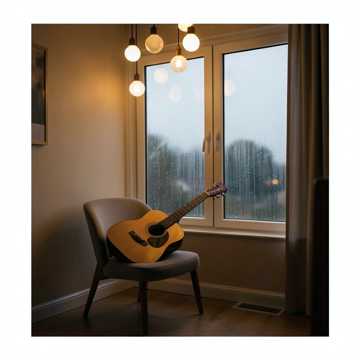
Mamy
Hira fanomezam-boninahitra lalina ho an'i Mamy, mitantara ny alahelo sy fahabangana aorian'ny fahafatesana, nefa mitahiry fitiavana sy fahatsiarovana tsy mety levona, miaraka amin'ny hafatra hoe tsy veloma fa mandra-pihaona.
04:53
2 days ago
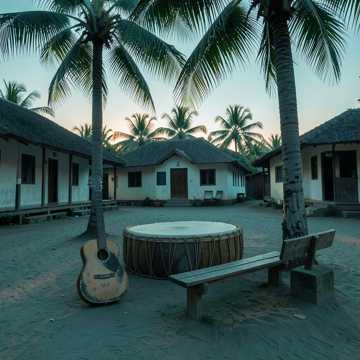
Tsiakoraka nama IA cover
Hira maneho ny hasin'ny fisakaizana marina sy ireo olona mijanona eo amin'ny fiainana amin'ny fotoan-tsarotra sy fifaliana. Midera ny namana toy ny rahalahy izy, manasongadina fanohanana, fahatokisana ary fitiavana.
03:14
3 days ago

Jose Tsy Miondrika
‘Jose Tsy Miondrika’ dia hira momba ny faharetana sy ny finoana ny marina. Jose dia lehilahy miady amin’ny fiainana nefa tsy manaiky ho resy, mitahiry ny nofiny sy ny fahadiovan’ny fony na eo aza ny sakana.
03:20
5 days ago
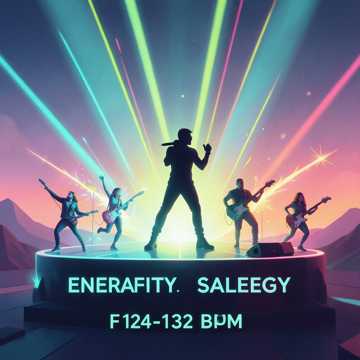
“Miorena Mafy”
'Miorena Mafy' dia hira gospel salegy Malagasy mankahery ny mpino hijoro mafy ao anatin'ny fitsapana. Feno angovo, hafaliana ary fanantenana izy, miaraka amin'ny gadona mampandihy sy hafatra ara-panahy lalina.
03:39
5 days ago
“Miorena Mafy”
'Miorena Mafy' dia hira gospel salegy mankahery ny olona hijoro amin'ny finoana na dia ao anatin'ny ady sy fahoriana aza. Feno fanantenana, hafaliana ary hery ara-panahy miaraka amin'ny gadona malagasy mafana sy mampandihy.
04:23
5 days ago

Tiako ianao
Hira fitiavana malagasy mampiray fo roa mifankatia lalina. Fitia sy Melania dia mizara fanoloran-tena sy fahasambarana amin'ny alalan'ny feo mamy, gitara akostika, ary piano malefaka ao anatin'ny atmosfera romantika sy manantena.
02:37
6 days ago
Malagasy Music: Definition, Cultural Roots, and Historical Development
Malagasy Music refers to the rich and diverse musical traditions originating from Madagascar, an island nation located off the southeastern coast of Africa. Malagasy Music is deeply influenced by Austronesian, African, Arab, and European cultural traditions, creating a unique sonic identity that distinguishes it from other African music genres. Traditional Malagasy Music often features intricate vocal harmonies, rhythmic guitar patterns, bamboo instruments, percussion ensembles, and poetic storytelling. The music reflects the multicultural history of Madagascar and serves as a major expression of Malagasy identity, spirituality, social values, and regional heritage. The history of Malagasy Music dates back centuries to the arrival of Austronesian settlers from Southeast Asia, who introduced early string instruments, polyphonic singing styles, and rhythmic traditions. African influences later enriched Malagasy Music through percussion techniques and call-and-response vocal structures. During the 19th and 20th centuries, European colonization and global tradeMalagasy Music Overview introduced Western instruments such as the guitar, accordion, piano, and brass ensembles, which became integrated into local music styles. Modern Malagasy Music evolved significantly during the post-independence era in the 1960s, when artists began blending traditional folk sounds with jazz, reggae, rock, pop, and electronic music. Genres such as Salegy and Tsapiky gained national popularity and later reached international audiences. Today, Malagasy Music continues to thrive both locally and globally, celebrated for its energetic rhythms, emotional melodies, and cultural authenticity. Malagasy Music is widely performed at festivals, ceremonies, dance events, and international world music stages.
Sub-tags and Classifications of Malagasy Music
Salegy
Salegy is one of the most internationally recognized genres of Malagasy Music. Originating from northwestern Madagascar, Salegy is characterized by fast tempos, electric guitar riffs, energetic percussion, and repetitive polyrhythmic patterns. The music is highly dance-oriented and often performed during celebrations and festivals. Artists such as Jaojoby popularized Salegy worldwide by blending traditional Malagasy rhythms with modern instrumentation.
Tsapiky
Tsapiky is a vibrant and fast-paced genre of Malagasy Music from southwestern Madagascar. Known for its driving guitar melodies, heavy percussion, and trance-like rhythms, Tsapiky is commonly played at community gatherings, funerals, and social ceremonies. The genre emphasizes improvisation and extended performances, making it one of the most dynamic forms of Malagasy Music.
Hira Gasy
Hira Gasy is a traditional theatrical form of Malagasy Music that combines singing, dancing, storytelling, and political commentary. Originating in the central highlands among the Merina people, Hira Gasy performances often feature elaborate costumes and large ensembles. The genre serves both as entertainment and as a medium for preserving Malagasy oral traditions and social values.
Vakodrazana
Vakodrazana refers to traditional folk Malagasy Music rooted in ancestral customs and ceremonial practices. This sub-tag includes acoustic instruments such as the valiha, marovany, sodina flute, and kabosy. Vakodrazana music is often spiritual, meditative, and closely connected to rituals, storytelling, and regional identity.
Malagasy Jazz Fusion
Malagasy Jazz Fusion combines traditional Malagasy Music elements with jazz improvisation, funk grooves, and global contemporary music styles. Artists in this genre often incorporate indigenous instruments and Malagasy rhythmic structures into sophisticated jazz arrangements, creating innovative cross-cultural soundscapes.
Contemporary Malagasy Pop
Contemporary Malagasy Pop blends mainstream pop production with traditional Malagasy Music influences. This classification includes modern vocal arrangements, electronic beats, Afro-pop rhythms, and multilingual lyrics. The genre appeals to younger audiences while maintaining cultural references through melody and instrumentation.
Acoustic Valiha Music
Acoustic Valiha Music focuses on the valiha, a traditional bamboo tube zither considered Madagascar’s national instrument. This style of Malagasy Music emphasizes delicate fingerpicking techniques, layered harmonics, and intricate melodic patterns. It is commonly associated with introspective and ceremonial performances.
Famous Artists and Classic Works in Malagasy Music
Jaojoby
Jaojoby is widely known as the 'King of Salegy' and one of the most influential figures in Malagasy Music. His energetic performances and modern interpretation of traditional Salegy rhythms helped introduce Malagasy Music to international audiences. Representative works include 'Samy Mandeha Samy Mitady' and 'Malemilemy.' Jaojoby’s contribution lies in preserving regional traditions while modernizing the sound for global recognition.
Samy Mandeha Samy Mitady - Jaojoby
This iconic Salegy composition demonstrates the energetic rhythmic foundation of Malagasy Music. The track features rapid percussion, electrified guitar lines, and repetitive dance grooves that create an infectious atmosphere. Its innovation lies in combining traditional Salegy structures with modern recording techniques, helping Malagasy Music gain international popularity.
D'Gary
D'Gary is a celebrated guitarist known for his intricate fingerstyle techniques and fusion of traditional Malagasy Music with blues and folk influences. His innovative guitar tunings emulate the sound of traditional Malagasy instruments. Albums such as 'Mbo Loza' and 'Horombe' are regarded as milestones in acoustic world music.
Mbo Loza - D'Gary
Mbo Loza highlights D'Gary’s sophisticated fingerpicking guitar style inspired by traditional Malagasy Music patterns. The composition blends blues sensibilities with indigenous rhythms, creating a highly distinctive acoustic sound. The work is celebrated for its technical complexity and emotional depth.
Rajery
Rajery is a master of the valiha and a major ambassador of traditional Malagasy Music. Despite physical challenges, he developed a unique playing style that elevated the international reputation of the valiha. His work combines ancestral melodies with contemporary arrangements, making traditional Malagasy Music accessible to modern listeners.
Fanorolahy - Rajery
Fanorolahy showcases the expressive possibilities of the valiha within contemporary Malagasy Music. Rajery’s intricate melodic phrasing and rhythmic layering demonstrate how traditional instruments can adapt to modern world music contexts while preserving cultural authenticity.
Rossy
Rossy is a prominent artist who revolutionized Malagasy Music by integrating political themes, dance rhythms, and modern instrumentation. His music often addresses social issues while remaining highly energetic and danceable. Rossy played a key role in popularizing contemporary Malagasy Music during the 1980s and 1990s.
Afindrafindrao
Afindrafindrao is one of the best-known traditional dances and musical pieces in Malagasy Music culture. Frequently performed during celebrations and ceremonies, the piece emphasizes communal participation, repetitive rhythmic cycles, and joyful melodic patterns that reflect the social nature of Malagasy traditions.
Tarika
Tarika is an internationally acclaimed Malagasy Music group known for blending traditional instruments, female vocal harmonies, and regional rhythms. Their albums showcase the cultural diversity of Madagascar and introduced global audiences to authentic Malagasy folk traditions.
Bal Kabosy - Tarika
Bal Kabosy incorporates traditional Malagasy instruments with layered female harmonies and contemporary arrangements. The work exemplifies the fusion of regional Malagasy Music styles into a cohesive modern folk sound that appeals to both local and international audiences.
Rakoto Frah
Rakoto Frah was a legendary sodina flute player whose work preserved ancient Malagasy musical traditions. His mastery of wind instruments and traditional melodies made him one of the most respected cultural figures in Malagasy Music history.
Application Scenarios for Malagasy Music
Malagasy Music is frequently used in film soundtracks to evoke themes of cultural heritage, nature, spirituality, and emotional storytelling. Traditional instruments such as the valiha and sodina create atmospheric textures suitable for documentaries, historical dramas, and travel films set in Africa or island environments.
Movie Soundtracks
Brands use Malagasy Music in advertising campaigns to create feelings of authenticity, warmth, adventure, and cultural diversity. Energetic Salegy rhythms and acoustic folk melodies are especially effective for tourism promotions, eco-friendly products, and lifestyle branding.
Advertising Music
Game developers incorporate Malagasy Music into exploration games, fantasy adventures, and culturally inspired open-world environments. The layered percussion and traditional instruments help build immersive soundscapes that enhance player engagement and world-building.
Game Background Music
Malagasy Music is widely performed at international world music festivals, cultural exhibitions, dance events, and community celebrations. The energetic rhythms of Salegy and Tsapiky make Malagasy Music highly suitable for live audience interaction and dance-oriented performances.
Festival and Event Performances
Acoustic Malagasy Music featuring valiha and flute arrangements is increasingly used in meditation playlists, relaxation videos, yoga sessions, and wellness applications. The gentle harmonic textures and repetitive rhythms create calming and reflective listening experiences.
Meditation and Relaxation Content
Museums, educational institutions, and cultural organizations use Malagasy Music to teach audiences about Madagascar’s history, ethnic diversity, and artistic traditions. Traditional Malagasy Music serves as a valuable educational tool for cultural preservation and ethnomusicology studies.
Educational and Cultural Programs