Free Multi-voice Music Generator Powered by AI
Turn text into high-quality Multi-voice music effortlessly – no login required!

music.toolTips
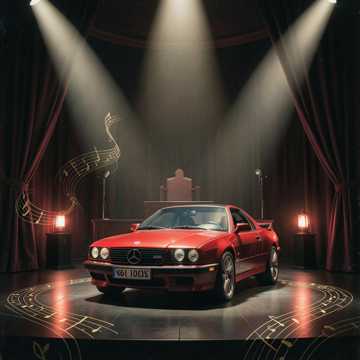
Baris Opera
Eine dramatische Oper über Baris und seinen AMG, erzählt durch diverse Zeugenstimmen, die seine Unschuld betonen, untermalt von einem kraftvollen Orchester, epischen Soli und einem dynamischen Chor.
04:25
3 days ago
Introduction to Multi-voice Music
Multi-voice music, often referred to as polyphonic music, is a musical form that combines multiple independent vocal or instrumental lines simultaneously to create a harmonious texture. Unlike monophonic music, which consists of a single melody, multi-voice compositions interweave several melodies, allowing each voice to retain its individuality while contributing to the overall sound. The origins of multi-voice music date back to the medieval period, with early examples in Gregorian chants evolving into more complex forms such as organum in the 9th and 10th centuries. The Renaissance period saw significant development of polyphony, with composers like Palestrina and Josquin des Prez creating intricate vocal arrangements. Over time, multi-voice techniques expanded into orchestral and choral compositions, modern jazz, and contemporary electronic music, maintaining their core principle of layered, interdependent voices.
Multi-voice Music OverviewSub-tags and Classifications of Multi-voice Music
Choral Polyphony
Choral polyphony is the use of multiple vocal lines in choir music, often seen in Renaissance and Baroque compositions. Each vocal section—soprano, alto, tenor, and bass—maintains a distinct melodic line, harmonizing in complex structures. This style emphasizes counterpoint, where independent melodies interact rhythmically and harmonically.
Instrumental Polyphony
Instrumental polyphony refers to compositions for instruments that feature independent melodic lines, commonly found in Baroque music, such as fugues by Johann Sebastian Bach. Each instrument or section plays a unique voice, creating a textured musical landscape without relying solely on chords.
Homophonic Multi-voice
Homophonic multi-voice music emphasizes harmony where multiple voices move together rhythmically, creating chords. While less complex than polyphonic counterpoint, it is widely used in hymnody, contemporary pop, and orchestral arrangements to provide a unified yet rich sound.
Electronic Multi-voice
Electronic multi-voice music utilizes synthesizers, digital audio workstations, and sampling techniques to layer multiple independent melodic or harmonic lines. This sub-tag spans genres such as EDM, ambient, and experimental electronic music, allowing producers to create intricate textures beyond traditional acoustic means.
Famous Artists and Works Related to Multi-voice Music
Johann Sebastian Bach
Bach is renowned for his mastery of polyphony, particularly through fugues and chorales. Works like 'The Well-Tempered Clavier' demonstrate his ability to weave multiple independent voices into intricate harmonic frameworks, influencing classical music and choral traditions for centuries.
Fugue in G minor, BWV 578
Also known as the 'Little Fugue,' this composition by Bach is a masterful example of instrumental polyphony. Each voice enters sequentially with the same thematic material, creating a complex interplay of melodies that demonstrates precise counterpoint and harmonic depth.
Giovanni Pierluigi da Palestrina
A key figure in Renaissance choral music, Palestrina perfected sacred polyphony, producing works like 'Missa Papae Marcelli.' His compositions showcase balanced multi-voice harmonies that preserve clarity of individual lines while achieving overall harmonic beauty.
Missa Papae Marcelli
Palestrina’s 'Missa Papae Marcelli' exemplifies Renaissance choral polyphony. The work balances clarity and complexity, with interwoven vocal lines maintaining independent melodic shapes while producing harmonious and spiritually uplifting textures.
Eric Whitacre
A modern choral composer, Whitacre is known for his contemporary multi-voice choral pieces. Works like 'Lux Aurumque' employ cluster chords and layering techniques, pushing traditional multi-voice music into new harmonic and emotional dimensions.
Lux Aurumque
Composed by Eric Whitacre, 'Lux Aurumque' features ethereal multi-voice choral textures. Using overlapping vocal lines and cluster chords, the piece creates a shimmering soundscape, demonstrating how modern techniques can expand traditional polyphonic concepts.
Application Scenarios for Multi-voice Music
Multi-voice music enhances cinematic storytelling by creating emotional depth and tension. Layered vocal or instrumental lines can intensify dramatic scenes, such as choral arrangements in epic or fantasy films.
Film Soundtracks
In advertisements, multi-voice techniques are used to create catchy, harmonious jingles that capture attention. Layered vocals or instruments can make a short audio segment sound rich and memorable, increasing brand recall.
Advertising Music
Video games often use multi-voice compositions to build immersive soundscapes. Different musical lines can represent multiple in-game elements or characters, providing dynamic and evolving audio experiences that enhance gameplay.
Video Game Background Music
Multi-voice music is central to choral concerts, orchestral performances, and contemporary ensemble shows. Each voice contributes to the texture and richness of the overall performance, demonstrating both technical mastery and artistic expression.
Choral and Concert Performances