Free Ostinato Music Generator Powered by AI
Turn text into high-quality Ostinato music effortlessly – no login required!

music.toolTips
Métronome Noir
Une pièce orchestrale minimaliste et glaciale où le piano répétitif et les cordes oppressantes construisent une tension mécanique croissante avant de s'effondrer dans une coda sparse et inquiétante.
08:00
9 hours ago
Phantom Stairwell
A haunting instrumental journey built on repeating piano figures, layered drones, and shifting rhythmic tension. The track evolves from sparse unease into an oppressive cinematic climax, evoking isolation, psychological suspense, and relentless forward motion.
03:28
11 hours ago
LaHoAi1
A purely percussive rhythmic journey built on dry acoustic textures, syncopated reggaeton patterns, and layered call-and-response structures. The track evolves through dense interlocking grooves, sharp transient attacks, and relentless momentum without melody or harmony.
03:56
14 hours ago
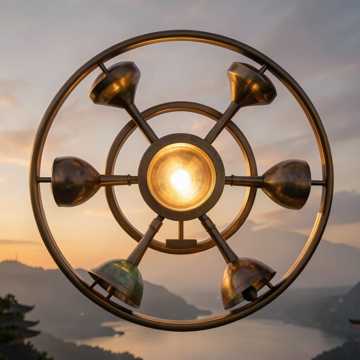
Pavilion Bronze Circle
An instrumental gamelan composition built on cyclical bronze percussion, layered ostinatos, and ceremonial resonance. The arrangement evolves through denser gong passages, a spacious reflective interlude, and a final immersive return filled with warmth, rhythm, and temple-like atmosphere.
05:23
4 days ago

Джээээээээ
Нейтральная инструментальная композиция для сцен о насыщенной университетской жизни. Повторяющиеся фортепианные мотивы, умеренный темп и сухой ритм передают ощущение спешки, рутины и постоянного движения без эмоциональных акцентов.
05:04
5 days ago
Ostinato Music: Definition, History, and Evolution of the Ostinato Technique
Ostinato is a musical technique characterized by the continuous repetition of a rhythmic pattern, melodic phrase, bass line, or harmonic progression throughout a composition or section of music. The word 'ostinato' comes from the Italian term meaning 'stubborn' or 'persistent,' perfectly describing the repetitive nature of the pattern. Ostinato music is widely used across classical music, jazz, electronic music, film scores, progressive rock, ambient music, and modern pop production. The core purpose of an ostinato is to establish rhythmic momentum, create hypnotic textures, reinforce harmonic structure, and generate emotional intensity. The origins of ostinato can be traced back to ancient folk traditions and early liturgical music, where repetitive rhythmic cycles were used for ritualistic and ceremonial purposes. During the Medieval and Renaissance periods, composers began incorporating repeated bass figures and rhythmic motifs into sacred and secular compositions. The technique became especially prominent during the Baroque era, where composers such as Johann Sebastian Bach, Claudio Monteverdi, and Henry Purcell used bassoOstinato Music Overview ostinato patterns to create structural unity and emotional depth. In classical music, ostinato evolved into a sophisticated compositional device. Romantic composers expanded the emotional and orchestral possibilities of ostinato, while 20th-century minimalist composers such as Steve Reich and Philip Glass transformed ostinato into the foundation of entire musical systems. In jazz, repetitive bass ostinatos and vamp patterns became essential for groove-oriented improvisation. In modern electronic music and film scoring, ostinato patterns are heavily used to build tension, suspense, energy, and cinematic atmosphere. Today, ostinato remains one of the most influential and versatile musical concepts in contemporary music production. From orchestral film scores and EDM drops to ambient soundscapes and experimental compositions, ostinato music continues to shape modern listening experiences through repetition, rhythm, and evolving texture.
Ostinato Music Sub-tags and Classifications
Rhythmic Ostinato
Rhythmic ostinato focuses primarily on the repetition of rhythmic patterns rather than melodic content. Common in percussion ensembles, tribal music, electronic dance music, and cinematic action scores, rhythmic ostinatos create propulsion, groove, and intensity. Repeating drum sequences, syncopated percussion loops, and pulsing rhythmic motifs are examples of rhythmic ostinato frequently heard in film trailers and modern hybrid orchestral music.
Melodic Ostinato
Melodic ostinato involves the continuous repetition of a short melodic phrase or motif. This type of ostinato is widely used in minimalist music, ambient compositions, and classical works. Melodic ostinatos can establish mood and emotional continuity while allowing harmonic or textural development above the repeated figure. Composers often use melodic ostinato to create hypnotic and meditative listening experiences.
Harmonic Ostinato
Harmonic ostinato refers to repeating chord progressions or harmonic cycles that serve as the foundation of a composition. Common in pop music, jazz, and electronic music, harmonic ostinatos provide structural stability while melodies and textures evolve over time. Repeated harmonic loops are especially important in contemporary music production and soundtrack composition.
Basso Ostinato
Basso ostinato, also known as ground bass, is one of the oldest forms of ostinato music. It consists of a recurring bass line repeated throughout a piece while upper voices change and develop. This technique became highly popular during the Baroque period and remains influential in orchestral music, jazz bass lines, and modern cinematic scoring.
Minimalist Ostinato
Minimalist ostinato emphasizes repetitive patterns with gradual transformation over extended durations. Popularized by minimalist composers such as Steve Reich and Philip Glass, this classification relies on subtle rhythmic shifts, phase changes, and evolving textures. Minimalist ostinato music often creates trance-like, meditative, and immersive sonic environments.
Cinematic Ostinato
Cinematic ostinato is commonly used in film scores, television soundtracks, and game music. These ostinatos typically feature repeating string, piano, synth, or percussion patterns designed to build suspense, urgency, or emotional momentum. Modern film composers frequently use cinematic ostinato to create tension during action scenes, psychological thrillers, and epic fantasy sequences.
Electronic Ostinato
Electronic ostinato incorporates looping synthesizer sequences, arpeggiators, and repetitive digital patterns in EDM, techno, trance, synthwave, and ambient electronic genres. These ostinatos often rely on precise rhythmic repetition and gradual modulation to maintain dancefloor energy and immersive atmospheres.
Polyrhythmic Ostinato
Polyrhythmic ostinato combines multiple repetitive rhythmic patterns operating simultaneously in different time signatures or rhythmic groupings. Frequently found in African music traditions, jazz fusion, experimental music, and progressive rock, polyrhythmic ostinato creates complex rhythmic textures and layered groove structures.
Famous Ostinato Artists, Composers, and Classic Ostinato Works
Steve Reich
Steve Reich is one of the most influential minimalist composers associated with ostinato music. His compositions such as 'Music for 18 Musicians' and 'Piano Phase' use repetitive rhythmic and melodic patterns that gradually shift over time. Reich revolutionized contemporary music by transforming ostinato into a structural and philosophical foundation for minimalism.
Boléro by Maurice Ravel
Ravel's 'Boléro' is perhaps the most iconic ostinato composition in orchestral music. The piece is constructed around a continuous snare drum rhythm and repeating melodic phrase that gradually increases in orchestration and intensity. Its innovation lies in using repetition as the primary engine of musical development rather than traditional harmonic progression.
Philip Glass
Philip Glass popularized repetitive ostinato structures in modern classical and film music. His works feature continuous arpeggiated figures and evolving harmonic cycles that create hypnotic textures. Soundtracks such as 'Koyaanisqatsi' and 'The Hours' demonstrate his mastery of minimalist ostinato composition.
Music for 18 Musicians by Steve Reich
This minimalist masterpiece uses layered ostinato patterns, pulsing rhythms, and phase-shifting techniques to create evolving textures over long durations. Reich demonstrates how small repetitive units can generate immense structural complexity and hypnotic sonic environments.
Hans Zimmer
Hans Zimmer is renowned for using cinematic ostinato in blockbuster film scores. His compositions for films such as 'Inception,' 'The Dark Knight,' and 'Dune' feature driving rhythmic ostinatos that build suspense and emotional intensity. Zimmer helped redefine modern cinematic scoring through layered orchestral and electronic ostinato techniques.
Inception Soundtrack by Hans Zimmer
Hans Zimmer's score for 'Inception' features powerful cinematic ostinatos driven by strings, brass, and electronic pulses. The repetitive patterns create psychological tension and temporal momentum, perfectly complementing the film's themes of dreams and layered realities.
John Williams
John Williams frequently uses ostinato patterns to enhance action, tension, and thematic continuity in film music. Scores such as 'Jaws,' 'Star Wars,' and 'Harry Potter' incorporate repetitive motifs and rhythmic figures that contribute to dramatic storytelling and memorable cinematic identity.
Passacaglia and Fugue in C Minor by J.S. Bach
This Baroque composition exemplifies basso ostinato through its repeating bass progression that supports increasingly intricate contrapuntal development. Bach demonstrates how ostinato can serve both structural and expressive purposes within complex harmonic frameworks.
Maurice Ravel
Maurice Ravel's orchestral masterpiece 'Boléro' is one of the most famous examples of ostinato in classical music. The work is built upon a relentless snare drum rhythm and repeating melodic structure, demonstrating how repetition can create gradual orchestral expansion and dramatic climax.
Koyaanisqatsi by Philip Glass
Philip Glass uses repetitive arpeggiated ostinatos and cyclical harmonic motion to create a meditative yet emotionally powerful soundtrack. The music's repetitive structure mirrors the film's exploration of technology, urbanization, and modern life.
Johann Sebastian Bach
Bach extensively used basso ostinato and repeating contrapuntal figures in his compositions. Works such as the 'Passacaglia and Fugue in C minor' showcase the Baroque tradition of repeated bass patterns supporting intricate melodic development and harmonic complexity.
Lux Aeterna by Clint Mansell
Widely recognized from the film 'Requiem for a Dream,' this work uses string ostinatos and repetitive harmonic tension to build emotional intensity and dramatic escalation. Its influence can be heard across modern trailer music and cinematic composition.
Trent Reznor and Atticus Ross
Trent Reznor and Atticus Ross incorporate dark electronic ostinatos and looping textures in modern film scores. Their work on films such as 'The Social Network' and 'Gone Girl' demonstrates how repetitive sonic structures can create psychological tension and atmospheric depth.
Application Scenarios for Ostinato Music
Ostinato music is extensively used in movie soundtracks to build suspense, tension, and emotional momentum. Repetitive string ostinatos and pulsing percussion patterns are common in thriller, science fiction, and action films. Cinematic ostinato techniques help maintain audience engagement during chase scenes, battle sequences, and psychological drama.
Movie Soundtracks
Game composers use ostinato patterns to create immersive gameplay environments and adaptive soundtracks. Rhythmic ostinatos help maintain energy during combat sequences, while ambient melodic ostinatos establish atmosphere in exploration and narrative-driven games.
Video Game Background Music
Advertising music frequently uses ostinato loops because repetition enhances memorability and brand recognition. Short repetitive melodic or rhythmic patterns can quickly establish emotional identity and maintain listener attention in television commercials, social media campaigns, and product advertisements.
Advertising and Commercial Music
EDM producers rely heavily on electronic ostinato patterns, synthesizer loops, and repetitive bass sequences to sustain dancefloor energy. Repeating motifs create anticipation and rhythmic consistency, especially during build-ups, drops, and transitions.
Electronic Dance Music
Minimalist and ambient ostinato structures are widely used in meditation music, relaxation playlists, and wellness applications. Repetitive melodic and harmonic cycles create calming, trance-like atmospheres that encourage focus, mindfulness, and emotional balance.
Meditation and Ambient Music
Television composers often use subtle ostinato textures to provide narrative continuity and emotional support without overwhelming dialogue. Documentary scores frequently incorporate minimalist ostinatos to create reflective and atmospheric soundscapes.
Documentary and Television Scores
Ostinato music is highly effective in ballet, contemporary dance, and theatrical productions because repetitive rhythmic structures support choreography and synchronized movement. Repeating patterns provide performers with stable timing and emotional consistency.
Theater and Dance Performances
Modern trailer music heavily depends on aggressive cinematic ostinatos featuring strings, percussion, brass, and hybrid electronic textures. These repetitive patterns rapidly build intensity and excitement, making ostinato a defining feature of blockbuster promotional music.
Trailer Music