Free Piano Arpeggio Music Generator Powered by AI
Turn text into high-quality Piano Arpeggio music effortlessly – no login required!

music.toolTips
Waktu Yang Berlalu
Lagu ini mengangkat tema kefanaan hidup, pentingnya memanfaatkan waktu, dan nilai amal soleh sebagai bekal akhir perjalanan manusia. Balutan folk rock Melayu yang hangat dan reflektif memperkuat pesan spiritual yang mendalam dan mudah direnungkan.
06:12
32 minutes ago

Aha Ma Endehononhu
A tender Batak Toba gospel ballad expressing devotion, forgiveness, and spiritual surrender, delivered through intimate verses and soaring harmonies over a warm, slow 6/8 accompaniment.
05:49
8 hours ago

Brisa de Seda
An ambient downtempo instrumental blending felt piano, soft electric guitar, airy synths, and subtle percussion into a serene, immersive soundscape that evokes calm and introspection.
03:45
12 hours ago
Mil Años Contigo
A Latin pop ballad embracing intimate warmth, tender ad-libs, and expansive harmonies, conveying a timeless, emotional journey through rich acoustic textures and soft percussion.
04:08
18 hours ago
تركتك بيدي
أغنية حزينة تعكس صراع الغيرة والخسارة في الحب، بأسلوب بوب عربي بطيء ومؤثر، حيث يتراءى الحنين والندم في كل كلمة ونغمة.
04:00
Invalid date
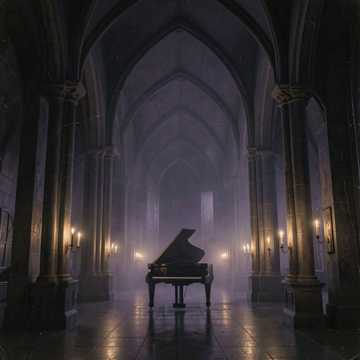
Catedral Negra
A towering instrumental horror score that unfolds like a ritual inside a haunted cathedral, blending ominous organ drones, dissonant orchestral tension, ticking percussion, and explosive crescendos into a suffocating atmosphere of cinematic dread.
01:02
Invalid date

Con un Poco
Una balada pop latina que celebra cómo un pequeño gesto de amor puede sanar heridas, iluminar días grises y devolver la fuerza al corazón con armonías cálidas y arreglos delicados.
03:45
1 days ago

Мася Азаза
Энергичный и кокетливый pop-rap трек о влюблённости, переписках и эмоциональной зависимости. Ночной вайб, игривые вокальные хуки и динамичный бит создают ощущение яркой цифровой романтики и подростковой эйфории.
01:54
3 days ago

Пустые лёгкие
Мрачный и эмоционально оголённый pop-rap трек о болезненной привязанности, внутреннем разрушении и невозможности отпустить человека, ставшего смыслом дыхания. Ночной саунд, напряжённый ритм и исповедальный вокал усиливают ощущение зависимости и пустоты.
02:49
4 days ago

Kau
‘Kau’ adalah lagu reflektif tentang kesetiaan dan cinta yang tetap bertahan di tengah kesulitan hidup. Dengan aransemen akustik hangat dan vokal intim, lagu ini menyampaikan rasa syukur, pengorbanan, dan harapan yang tulus.
04:14
4 days ago

Omena Ahy
A heartfelt contemporary worship piece, blending gentle 6/8 acoustic rhythms with soaring female harmonies, creating an intimate yet uplifting spiritual atmosphere.
03:58
6 days ago

Caixa de Saudade
Uma balada acústica que celebra lembranças familiares e a saudade de entes queridos, combinando emoção, ternura e gratidão em uma narrativa pessoal e íntima.
03:47
6 days ago

Лента и имя
Эта песня раскрывает виртуальную любовь и утрату через интимные переписки, сочетая меланхоличный вокал с мягкой поп-мелодией, создавая ощущение почти реальной близости и неизбежной разлуки.
04:04
6 days ago

Bóng Oan Đêm Nay
A poignant Vietnamese ballad portraying the quiet suffering and longing for truth of someone wronged, blending soft piano, brushed percussion, and soaring vocals to evoke resilience and emotional release.
03:58
6 days ago
Comprehensive Introduction to Piano Arpeggio
A piano arpeggio is a musical technique in which the notes of a chord are played in sequence rather than simultaneously, creating a flowing, cascading effect. This approach allows pianists to emphasize harmonic progressions while adding texture and motion to their performances. The concept of arpeggio has its roots in classical music, dating back to the Baroque period, with composers like Johann Sebastian Bach using arpeggios to enrich compositions such as the 'Well-Tempered Clavier.' Over time, piano arpeggios have evolved across musical genres, from classical to jazz, pop, and contemporary film scores, becoming an essential tool for both accompaniment and solo performance.
Sub-tags and Classifications of Piano Arpeggio
Broken Chord Arpeggio
A broken chord arpeggio involves playing the individual notes of a chord one after another in a smooth sequence, rather than simultaneously. This is the most traditional form of piano arpeggio, often used in classical pieces to create a flowing harmonic texture.
Rolled arpeggios are executed by rapidly 'rolling' the notes of a chord, typically from the lowest to the highest note, creating a shimmering effect. This technique is widely used in Romantic-era piano music to add expressive depth and emotional intensity.
Arpeggiated Scale Patterns
This classification expands arpeggios into scale-based sequences where notes move in ascending or descending patterns. It is frequently used in jazz improvisation and contemporary piano compositions to create dynamic, flowing runs.
Extended Arpeggios
Extended arpeggios include chords with added tones like sevenths, ninths, or elevenths, producing rich harmonic layers. This style is common in jazz, film music, and modern pop compositions to enhance emotional resonance and sophistication.
Famous Artists and Iconic Works Featuring Piano Arpeggio
Frédéric Chopin
Chopin is renowned for his expressive use of arpeggios in piano compositions such as his Nocturnes and Études. His intricate arpeggiated passages have become a hallmark of Romantic piano music, demonstrating both technical brilliance and deep emotional expression.
Moonlight Sonata by Ludwig van Beethoven
The first movement features gentle, sustained arpeggios that set a meditative and melancholic mood. Beethoven's use of arpeggios in this work demonstrates their ability to provide both harmonic support and melodic flow simultaneously.
Ludwig van Beethoven
Beethoven frequently used arpeggios to create dramatic tension and harmonic richness, particularly in his piano sonatas like Sonata No. 14 'Moonlight.' His innovative approach paved the way for modern uses of arpeggio in piano composition.
Clair de Lune by Claude Debussy
Debussy uses cascading arpeggios to create a dreamlike and impressionistic atmosphere. The arpeggios are soft and fluid, forming a continuous harmonic backdrop that allows the melody to float effortlessly above.
Claude Debussy
Debussy incorporated arpeggios to evoke impressionistic textures in works such as 'Clair de Lune.' His use of arpeggios adds a fluid, ethereal quality, blending harmony and color to create evocative soundscapes.
Étude Op. 10 No. 1 by Frédéric Chopin
This étude is famous for its sweeping right-hand arpeggios, which demand both technical precision and expressive control. Chopin’s intricate arpeggios in this piece exemplify how arpeggios can transform technical exercises into musical art.
Franz Liszt
Liszt elevated the arpeggio to virtuosic heights with dazzling passages in compositions like 'La Campanella' and his Hungarian Rhapsodies. His arpeggios challenge pianists with rapid, sweeping techniques that showcase both technical mastery and musicality.
La Campanella by Franz Liszt
Liszt’s arpeggiated passages simulate the ringing of bells with rapid, extended arpeggios. The work highlights the virtuosic potential of arpeggios, combining speed, precision, and expressive power in a dazzling display.
Application Scenarios of Piano Arpeggio Music
Piano arpeggios are frequently used in film scores to create emotional tension, suspense, or romantic ambiance. The flowing nature of arpeggios makes them ideal for building atmosphere and enhancing narrative storytelling.
Movie Soundtracks
In commercials, arpeggiated piano lines can evoke elegance, sophistication, or calmness. They are often used to subtly enhance brand perception and create memorable auditory cues for viewers.
Advertising Music
Arpeggios provide rhythmic and harmonic motion that keeps game music engaging without overwhelming gameplay. They are particularly effective in fantasy, adventure, or puzzle games where continuous movement is desired.
Video Game Background Music
In concert settings, pianists use arpeggios to showcase technical skill and expressiveness. Arpeggios can create dynamic contrasts, sustain musical tension, and add shimmering textures that captivate audiences.
Solo Piano Performances