Free Piano Motifs Music Generator Powered by AI
Turn text into high-quality Piano Motifs music effortlessly – no login required!

music.toolTips

Glasswave Horizon
Glasswave Horizon is an instrumental melodic dubstep track, blending airy piano motifs, growling bass, and soaring leads into a festival-ready, emotionally charged sonic journey.
04:24
1 days ago

44
رحلة وجدانية عميقة تحكي دروس الحياة القاسية، والخيانة، وقوة الصمت، والاعتماد على الذات. الأغنية تحول الألم إلى طاقة للنهوض، وتقدم رسالة أن السقوط لا ينهي الإنسان بل يعيد تشكيله بشكل أقوى.
03:27
2 days ago
Kalo Raat
A dark, introspective track weaving tension, memory, and secrecy through classical-trap textures, hushed vocals, and cinematic instrumentation.
02:56
Invalid date
a little bit more
A passionate declaration of love, blending gritty drill energy with melodic trap, capturing obsessive attraction and emotional intensity through hypnotic beats and heartfelt lyrics.
03:00
4 days ago
Dawn On The Canal
A dreamy deep house instrumental blending tender piano motifs, airy pads, and warm bass, evoking nostalgia and intimate, early morning reflections by a canal.
03:29
4 days ago

Tide of Ash
A cinematic ambient journey blending sparse piano, low string swells, and oceanic textures into a melancholic, intimate soundscape that gradually evolves into a wide, immersive finale.
03:45
4 days ago

Glass Portraits
Glass Portraits is a cinematic instrumental that evokes delicate emotion through warm brass, intimate strings, and airy violin motifs, balancing sparse verses with sweeping orchestral climaxes.
03:17
5 days ago
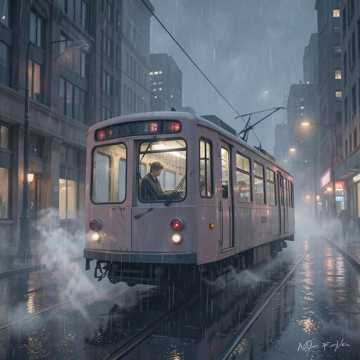
Пустой Трамвай
Медленный, интимный трек о одиночестве и утрате, где пустой трамвай символизирует пустоту после расставания, а меланхоличная музыка усиливает эмоциональную глубину.
03:49
5 days ago
Introduction to Piano Motifs: History, Definition, and Significance
Piano motifs refer to short, memorable musical phrases or themes played on the piano, often used as building blocks in larger compositions. These motifs can serve as a recurring element within a piece, adding structure and cohesion. Historically, the development of piano motifs can be traced back to the Classical and Romantic periods, where composers like Beethoven and Chopin used recurring motifs to express emotions and create thematic unity. Over time, piano motifs evolved into a prominent feature in many genres, from classical to contemporary, providing composers with a versatile tool for both melodic development and thematic exploration.
Sub-tags and Classifications of Piano Motifs
Repetitive Motifs
Repetitive motifs are characterized by the frequent repetition of a small musical phrase. These motifs are commonly used to establish a theme, create anticipation, or reinforce a specific emotional atmosphere. Composers often use repetition to gradually develop or alter the motif throughout the composition, such as Beethoven's use of the 'Piano Motifs Overviewshort-short-short-long' motif in his 5th Symphony.
Leitmotifs
A leitmotif is a specific type of motif that is associated with a particular character, place, or idea within a piece of music. First introduced by Richard Wagner, this concept has been adopted widely in film scores and theatrical compositions. In piano music, leitmotifs help unify the narrative of the composition by constantly reminding the listener of particular themes.
Rhythmic Motifs
Rhythmic motifs emphasize a distinct rhythm pattern, regardless of the pitch. This type of motif can drive the pulse of the music, contributing to the overall mood and energy of the composition. Rhythmic motifs are often employed in minimalist music and modern classical pieces, where repetition of rhythm becomes the focal point of the work.
Melodic Motifs
Melodic motifs consist of a series of notes that create a recognizable and often memorable melody. These motifs are typically used to introduce a theme that will be developed throughout a composition. Chopin’s Prelude in E Minor, for example, features a melodic motif that recurs in various forms throughout the piece.
Famous Artists and Iconic Works in Piano Motifs
Ludwig van Beethoven
Beethoven's use of piano motifs is legendary, with the 'short-short-short-long' motif from his Symphony No. 5 being one of the most recognizable in classical music. This motif serves as an example of how a simple motif can drive an entire composition, creating a sense of dramatic tension.
Beethoven's Symphony No. 5
The iconic 'short-short-short-long' motif is one of the most famous piano motifs in classical music. It creates an intense sense of fate, driving the entire symphony. This motif is repeated and transformed in various ways, highlighting Beethoven’s innovative approach to motif development.
Frédéric Chopin
Chopin was a master of piano motifs, often incorporating delicate and lyrical motifs in his works. His 'Raindrop Prelude' in D-flat Major features repeating notes that form a rhythmic motif, creating a unique atmosphere. Chopin's work is marked by the subtleness and emotive power of his piano motifs.
Chopin’s Prelude in E Minor, Op. 28 No. 4
Chopin’s Prelude in E Minor features a melancholic melodic motif that is repeated and varied throughout the piece. The motif serves as a central emotional anchor, expressing the introspective nature of the work. The gradual development of this motif, both harmonically and rhythmically, makes it a prime example of how a piano motif can be used to evoke a deep emotional response.
Claude Debussy
Debussy’s piano motifs often evoke vivid imagery and atmosphere. In works like 'Clair de Lune' and 'Arabesque No. 1', Debussy employs motifs that are not only melodic but also harmonic, creating a sense of fluidity and movement that is characteristic of his impressionistic style.
Debussy’s Clair de Lune
Debussy’s 'Clair de Lune' is known for its gentle, flowing motifs that evoke the imagery of moonlight. The recurring motifs in this piece blend seamlessly into the overall texture, creating a soothing and ethereal atmosphere. This piece demonstrates how motifs can be used to evoke mood rather than tell a linear narrative.
Application Scenarios for Piano Motifs in Various Media
Piano motifs are commonly used in film soundtracks to set the tone or highlight a specific character or emotion. For example, the use of a repeating piano motif in film scores such as 'The Pianist' or 'The Shawshank Redemption' helps emphasize key themes and moments of emotional intensity, often guiding the audience’s emotional experience through the film.
Film Soundtracks
In advertising, piano motifs are often used to convey elegance, sophistication, or nostalgia. The simplicity of the piano motif makes it highly adaptable for various commercial contexts, creating a memorable and emotionally engaging experience for the audience.
Advertising Music
In video games, piano motifs are frequently used to represent certain themes or environments. Games like 'Final Fantasy' and 'The Legend of Zelda' use piano motifs to create a connection with the player, enhancing the emotional depth of the narrative and gameplay experience.
Video Game Background Music
Many classical and contemporary pianists use motifs in concert performances to engage the audience. By performing piano works that feature recurring motifs, such as Chopin's Nocturnes or Beethoven's piano sonatas, performers create a sense of familiarity, which deepens the emotional impact of the performance.
Concert Performances