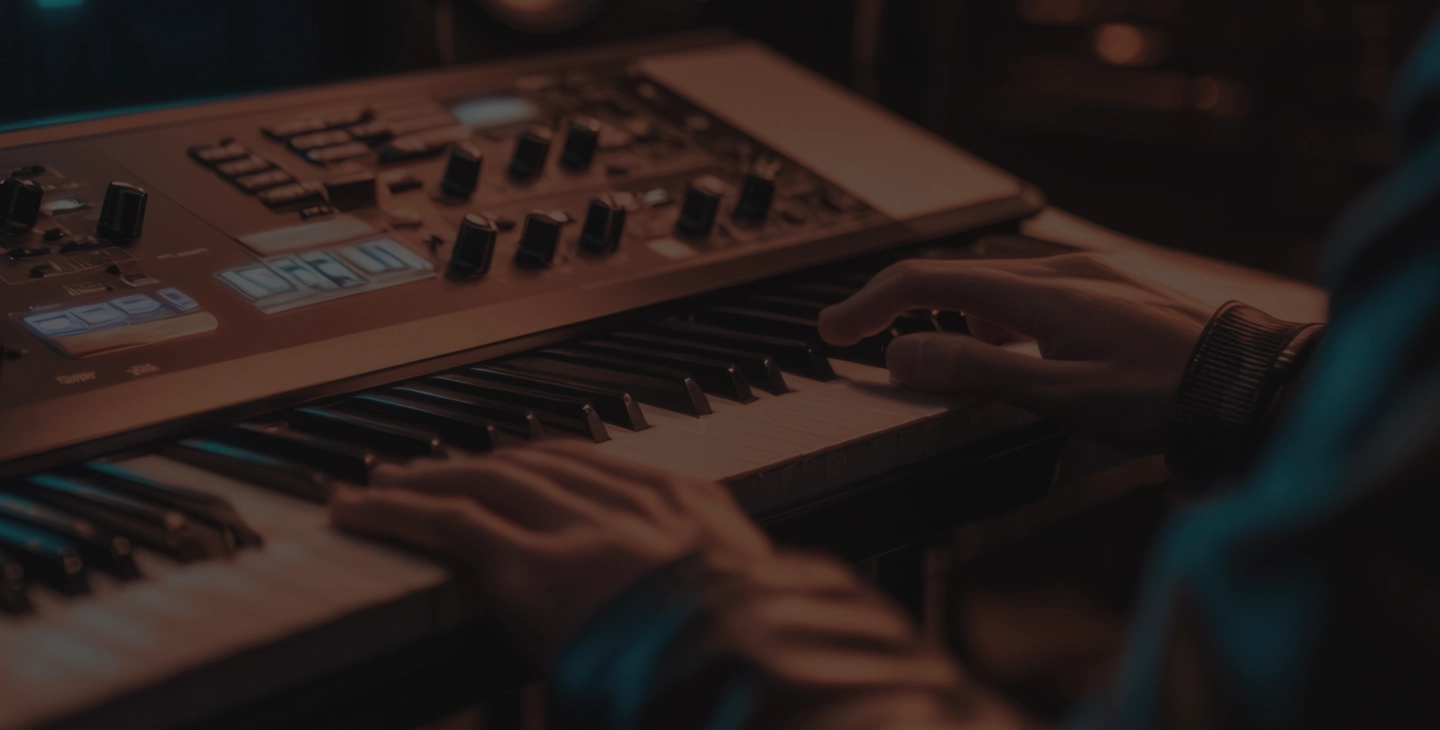
Free programmed drums Music Generator Powered by AI
Turn text into high-quality programmed drums music effortlessly – no login required!

music.toolTips
Упавшие звезды
Напряжённая история двух людей, застрявших в разрушительных отношениях, где любовь превращается в зависимость. Сквозь крики, страх и эмоциональный хаос герои цепляются друг за друга, даже когда их мир медленно сгорает.
03:02
5 days ago
Comprehensive Introduction to Programmed Drums: Definition, Origins, and Evolution
Programmed Drums refers to drum patterns, rhythms, and percussion sequences created using electronic programming tools rather than performed entirely by a live drummer. Programmed Drums are typically produced through drum machines, sequencers, digital audio workstations (DAWs), MIDI controllers, sample libraries, and rhythm programming software. The core concept of Programmed Drums involves arranging individual drum sounds—such as kick drums, snares, hi-hats, percussion hits, and electronic textures—into structured rhythmic patterns. Programmed Drums have become a foundational element of modern music production across electronic, pop, hip-hop, cinematic, and experimental genres. The history of Programmed Drums began in the late 1960s and early 1970s with early rhythm boxes and primitive electronic drum devices. Initial machines such as preset rhythm units offered basic accompaniment patterns. During the late 1970s and early 1980s, the arrival of influential drum machines such as the Roland TR series transformed music production. Producers gained the ability to create customized rhythms rather than relying on preset beats. Throughout the 1980s, Programmed DrumsProgrammed Drums Overview became central to synth-pop, electro, hip-hop, and dance music. By the 1990s, MIDI sequencing and digital workstations expanded the capabilities of Programmed Drums, allowing for intricate timing control, humanized groove manipulation, and layered sound design. In modern music production, Programmed Drums have evolved beyond simple machine repetition. Contemporary Programmed Drums often combine sampled acoustic kits, synthesized percussion, AI-assisted sequencing, granular textures, and hybrid rhythmic processing. Today, Programmed Drums are essential not only for electronic music producers but also for film composers, game sound designers, advertising creators, and mainstream recording artists.
Major Programmed Drums Sub-tags and Classifications
Electronic Drum Programming
Electronic Drum Programming focuses on synthesized drum sounds generated by drum machines and virtual instruments. This Programmed Drums category commonly includes analog-style kick drums, synthetic snares, electronic percussion, and heavily processed rhythmic textures. It is widely used in techno, house, EDM, synthwave, and experimental music.
Hip-Hop Beat Programming
Hip-Hop Programmed Drums emphasize groove, swing, and sample-based rhythm construction. Producers often use MPC workflows, sampled drum breaks, chopped percussion loops, and quantization techniques. The use of imperfect timing and groove templates creates a humanized feel despite the programmed nature of the drums.
Trap Drum Programming
Trap Programmed Drums feature rapid hi-hat rolls, heavy sub-kicks, layered snare textures, triplet rhythms, and dynamic percussion automation. This Programmed Drums style became dominant in modern rap, pop, and crossover genres due to its energetic and cinematic impact.
Acoustic Drum Emulation
Acoustic Drum Emulation uses advanced sample libraries and MIDI programming to recreate the sound and feel of real drummers. Programmed Drums in this category rely heavily on velocity variation, timing shifts, and articulation switching to simulate realistic performances.
Cinematic Percussion Programming
Cinematic Programmed Drums focus on large-scale percussion textures designed for emotional impact. These often include taiko drums, hybrid impacts, processed toms, orchestral percussion layers, and trailer-style rhythmic arrangements used in film and television scoring.
Experimental and Glitch Drum Programming
Experimental Programmed Drums explore unconventional rhythmic structures through granular synthesis, micro-editing, glitch effects, and rhythmic fragmentation. Artists use manipulated drum samples and nontraditional sequencing approaches to create innovative sonic experiences.
Industrial Programmed Drums
Industrial Programmed Drums combine mechanical rhythms, distorted percussion layers, metallic impacts, and aggressive electronic textures. This sub-category frequently appears in industrial music, dark electronic genres, and cyberpunk-inspired productions.
Famous Artists and Iconic Works Related to Programmed Drums
Kraftwerk
Kraftwerk pioneered the use of electronic rhythm programming and machine-generated beats. Albums such as 'Computer World' and 'The Man-Machine' established Programmed Drums as a defining characteristic of electronic music and influenced generations of producers.
Planet Rock – Afrika Bambaataa & Soulsonic Force
This landmark work introduced electronic rhythm programming into mainstream hip-hop. The Programmed Drums combined futuristic electronic percussion with robotic groove structures. Its use of machine sequencing helped bridge hip-hop and electronic dance culture.
Aphex Twin
Aphex Twin expanded the boundaries of Programmed Drums by introducing highly intricate rhythmic structures and experimental sequencing. Works like 'Richard D. James Album' demonstrated unprecedented complexity in drum programming techniques.
Windowlicker – Aphex Twin
This piece showcased highly complex Programmed Drums featuring unusual timing structures, rapid rhythmic edits, and unconventional sequencing patterns. It pushed drum programming into experimental territory and demonstrated the artistic potential of rhythmic manipulation.
J Dilla
J Dilla revolutionized Hip-Hop Programmed Drums through his signature off-grid timing approach. His drum programming style emphasized groove and human feel rather than rigid quantization, profoundly influencing modern beat production.
Donuts – J Dilla
Although built around sample-based production, the Programmed Drums in 'Donuts' introduced a deeply human approach to sequencing. Dilla intentionally programmed imperfect timing, changing industry perceptions about rhythm quantization.
The Chemical Brothers
The Chemical Brothers blended electronic dance rhythms with layered Programmed Drums, creating energetic and cinematic rhythmic experiences that shaped big beat and electronic music production.
Around the World – Daft Punk
The track features repetitive but highly effective Programmed Drums built on minimalist sequencing principles. The rhythmic simplicity allowed subtle sonic changes and groove progression to drive listener engagement.
Trent Reznor
Through industrial and cinematic productions, Trent Reznor integrated aggressive Programmed Drums with sound design techniques, contributing to both alternative music and film score evolution.
Closer – Nine Inch Nails
This work integrated industrial-style Programmed Drums with distorted percussion processing and layered rhythmic textures. It demonstrated how programmed percussion could create psychological intensity and emotional impact.
Deadmau5
Deadmau5 demonstrated sophisticated electronic Programmed Drums construction through layered percussion sequencing and detailed arrangement design, influencing EDM production standards.
Programmed Drums Application Scenarios Across Industries
Programmed Drums are frequently used in film scoring to create tension, action sequences, and emotional impact. Hybrid cinematic percussion often combines electronic rhythms with orchestral elements to support visual storytelling.
Movie Soundtracks
Brands use Programmed Drums to produce memorable rhythmic identities. Fast, energetic drum programming helps advertisements create excitement, reinforce messaging, and improve audience recall.
Advertising Music
Programmed Drums are widely used in video game soundtracks because they can dynamically adapt to gameplay conditions. Action games often employ rhythmic intensity changes through layered drum programming systems.
Video Game Background Music
Live EDM performances rely heavily on Programmed Drums to maintain consistent groove structures while allowing DJs and performers to manipulate arrangements in real time.
Electronic Dance Music Performance
Modern podcasts, online videos, and digital content creators frequently use Programmed Drums in intro music and background tracks because they provide professional production quality and rhythmic consistency.
Podcast and Multimedia Production
Programmed Drums create high-energy rhythmic patterns ideal for exercise videos, fitness apps, and training programs where tempo consistency and motivational impact are essential.
Fitness and Workout Media
Emerging VR experiences increasingly use adaptive Programmed Drums that respond to user interaction, creating immersive and personalized audio environments.
Virtual Reality and Interactive Media