Free scat vocals Music Generator Powered by AI
Turn text into high-quality scat vocals music effortlessly – no login required!
music.toolTips
Luna Azzurra
Un raffinato viaggio strumentale tra bossa nova e lounge italiana, dove ottoni vellutati, chitarra nylon e pianoforte creano un'atmosfera notturna, romantica e cinematografica, con arrangiamenti big band morbidi e sofisticati.
02:04
4 days ago

tra
Uma faixa jazz descontraída construída com vocalizações melódicas e sílabas rítmicas, criando uma atmosfera divertida, improvisada e cheia de energia suave, perfeita para momentos leves e criativos.
01:25
5 days ago
tr
An upbeat jazz-style vocal piece driven by playful scat sounds, rhythmic chanting, and warm melodic loops. The song creates a carefree and lively atmosphere reminiscent of classic lounge performances and animated musical interludes.
03:25
5 days ago
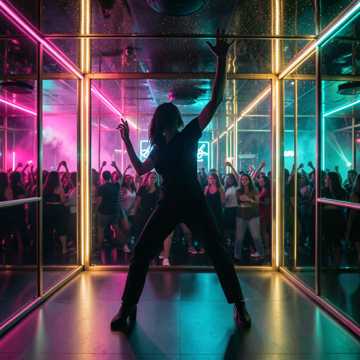
Derek Step
A bold, swagger-filled dance-pop track celebrating confidence, movement, and self-expression. With explosive hooks, crowd-style chants, brass punches, and rhythmic vocal energy, 'Derek Step' turns every entrance into a performance and every beat into a spotlight moment.
02:33
5 days ago
Introduction to Scat Vocals: Definition and History
Scat vocals refers to the vocal improvisation technique where singers use nonsensical syllables or sounds, often imitating instrumental solos. This style is often associated with jazz music and is characterized by its freedom of expression, allowing the vocalist to create complex rhythmic patterns and melodies without specific lyrics. The origins of scat singing can be traced back to early jazz musicians, with some attributing its birth to legendary artists like Louis Armstrong. In the 1920s, Armstrong's improvisational performances were pivotal in popularizing scat singing. Over time, scat vocals evolved and became a key element in jazz, particularly during the swing era and beyond, influencing other genres like bebop, swing, and even contemporary pop music.
Sub-tags and Classifications of Scat Vocals
Classic Scat
Classic scat vocals represent the traditional style of scat singing, often used in early jazz recordings. It focuses on improvisation with minimal or no lyrics, typically in sync with the rhythm section of the band. This form of scat was popularized by Louis Armstrong and other jazz pioneers, where the vocalist's voice mimics the sound of instruments, creating a unique, dynamic musical texture.
Modern Scat
Modern scat vocals incorporate moreScat Vocals Overview complex vocal techniques, including extended vocal ranges, multi-tracking, and modern studio effects. Artists like Bobby McFerrin have brought new elements into scat singing, blending it with a variety of musical styles such as funk, pop, and world music. Modern scat tends to be more experimental and often features complex vocal runs and percussive vocalizations.
Vocalese
Vocalese is a sub-genre closely related to scat, where lyrics are specifically created for jazz instrumental solos. While scat uses nonsensical syllables, vocalese turns instrumental improvisations into fully formed vocal lines with lyrics. Notable artists such as Lambert, Hendricks, and Ross have helped popularize vocalese as a distinct sub-tag within the scat tradition.
Vocal Percussion Scat
Vocal percussion scat involves the use of the voice as a rhythmic tool, often imitating drum sounds or creating complex percussive patterns. This sub-tag is closely associated with beatboxing and vocal jazz, where the singer creates rhythms that complement the jazz band. Artists like Michael P. Mossman and Shlomi Shaban have pushed the boundaries of vocal percussion within scat vocals.
Famous Artists and Classic Works in Scat Vocals
Louis Armstrong
Louis Armstrong is widely regarded as one of the pioneers of scat singing. His iconic recordings, such as 'Heebie Jeebies' (1926), are among the earliest examples of scat vocals. Armstrong's playful and improvisational vocal style laid the foundation for future scat singers and influenced the evolution of jazz as a whole.
'Heebie Jeebies' by Louis Armstrong
'Heebie Jeebies' (1926) is one of the first major recordings featuring scat vocals by Louis Armstrong. In this groundbreaking performance, Armstrong famously dropped the lyrics and began improvising with nonsensical syllables. This recording is often considered the beginning of scat singing in jazz, showcasing Armstrong's playful experimentation with vocal sounds and rhythms.
Ella Fitzgerald
Ella Fitzgerald, known as the 'First Lady of Song,' is perhaps the most famous scat singer of all time. Her recordings, particularly her 'Jazz at the Philharmonic' sessions, showcase her incredible vocal agility and improvisational skill. Fitzgerald's scat performances on songs like 'How High the Moon' (1940) and 'Air Mail Special' (1947) solidified her as a master of the form.
'How High the Moon' by Ella Fitzgerald
Ella Fitzgerald's rendition of 'How High the Moon' (1940) is a defining example of scat singing. Fitzgerald uses her vocal range and improvisational skill to create intricate vocal lines that mirror the instruments of the band. Her scat performance is a masterclass in timing, pitch control, and rhythmic invention, making it a milestone in the history of scat vocals.
Bobby McFerrin
Bobby McFerrin revolutionized scat singing by blending it with contemporary styles, from classical to pop and world music. His hit song 'Don't Worry, Be Happy' became a global anthem, and his improvisational scat performances have captivated audiences worldwide. McFerrin's ability to combine scat vocals with vocal percussion has expanded the boundaries of the art form.
'Don't Worry, Be Happy' by Bobby McFerrin
Bobby McFerrin's 'Don't Worry, Be Happy' (1988) blends scat vocals with a catchy melody to create an uplifting anthem. McFerrin's innovative use of vocal percussion and scat improvisation demonstrates the versatility of the form, as he incorporates elements from jazz, pop, and world music into a single, memorable performance.
Jon Hendricks
Jon Hendricks, a major figure in vocalese and scat vocals, was part of the innovative trio Lambert, Hendricks & Ross. Known for his brilliant lyricization of jazz instrumental solos, Hendricks brought vocalese to the forefront of jazz vocal performance, influencing generations of scat singers with his sophisticated vocal improvisations.
Application Scenarios for Scat Vocals
Scat vocals are often used in movie soundtracks to enhance a scene's emotional or energetic impact. For instance, in jazz-themed films or animated sequences, scat can provide an energetic, rhythmic backdrop to the visuals. A famous example is the use of scat vocals in the soundtrack of 'The Aristocats' (1970), where the vocal improvisation complements the playful nature of the film.
Movie Soundtracks
In advertising, scat vocals are sometimes used to create a unique, engaging atmosphere. The unpredictable and lively nature of scat can help make a commercial memorable. For example, scat-infused jingles or background vocals can add a touch of fun or sophistication to a brand's identity.
Advertising Music
In video games, scat vocals can be used to enhance the mood of certain levels or scenes. For example, in rhythm-based or jazz-inspired games, scat vocals might accompany fast-paced gameplay, helping to maintain the game's energy and excitement. A notable instance is the inclusion of scat vocals in jazz-themed games like 'Jazz Jackrabbit' and 'Persona 5.'
Game Background Music