Free Serbian rap Music Generator Powered by AI
Turn text into high-quality Serbian rap music effortlessly – no login required!

music.toolTips
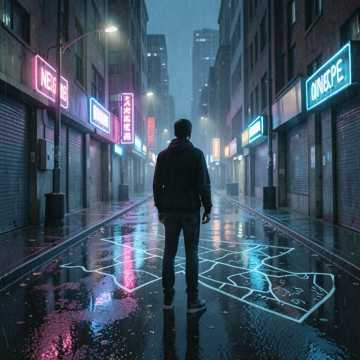
Beton Na Dlanu
Pesma prikazuje unutrašnju snagu pojedinca koji opstaje uprkos pritiscima, razočaranjima i surovosti urbanog života. Kroz motive betona, tišine i istrajnosti, gradi se autentična rap himna o identitetu, otpornosti i ostanku veran sebi.
02:42
Invalid date
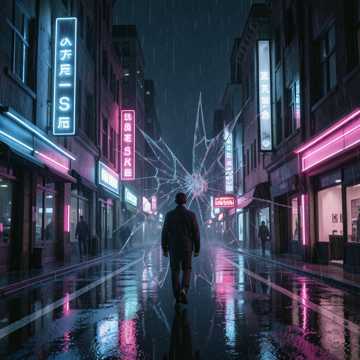
Bez Stakla
Bez Stakla prikazuje put pojedinca kroz usamljenost, razočaranja i unutrašnje borbe ka ličnoj snazi. Kroz sirove stihove i odlučan refren, pesma slavi otpornost, samostalnost i sposobnost da se nakon svakog pada ponovo ustane.
03:04
3 days ago
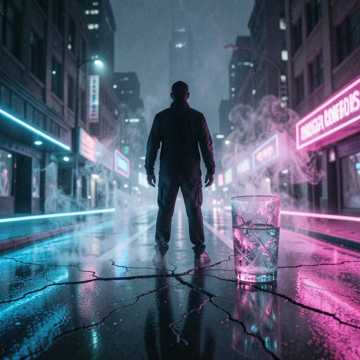
Uvek Kasno
Pesma prikazuje unutrašnju borbu, hladnu samokontrolu i kasni dolazak do uspeha kroz mračan trap zvuk. Glavni lik nosi ožiljke prošlosti, ali kroz samopouzdanje i uličnu energiju pretvara bol u lični trijumf.
03:12
5 days ago

Gas Do Kraja
Pesma prikazuje mentalitet neumornog rada, fokusa i potpunog zaleta ka uspehu. Kroz agresivan trap ritam i upečatljiv refren, prenosi energiju samopouzdanja, discipline i odbijanja da se odustane uprkos pritisku.
02:44
5 days ago

KlADIONIČARSKA
Pesma prikazuje toksičnu igru privlačnosti, manipulacije i rizika kroz agresivan Detroit rap stil. Mračna atmosfera, kockarska simbolika i eksplozivan flow grade napet osećaj opasnosti, strasti i emocionalnog haosa.
01:20
6 days ago
Serbian Rap Music: Definition, Origins, and Evolution of the Serbian Rap Scene
Serbian Rap is a regional branch of Balkan hip-hop culture that emerged in Serbia during the late 1980s and early 1990s. Influenced heavily by American hip-hop, boom bap, East Coast rap, and later trap music, Serbian Rap developed its own distinctive identity through Serbian-language lyricism, local slang, social commentary, and Balkan musical influences. Serbian Rap music often reflects themes such as urban life, politics, economic transition, nationalism, street culture, social inequality, and youth identity in post-Yugoslav society. Early Serbian Rap artists introduced underground hip-hop culture through independent cassette releases, graffiti movements, DJ battles, and freestyle performances in Belgrade and Novi Sad. During the 1990s, Serbian Rap became a voice for younger generations living through political instability, sanctions, and economic hardship. By the 2000s, Serbian Rap evolved into a commercially successful genre with mainstream radio play, music television exposure, and digital streaming popularity. Modern Serbian Rap nowSerbian Rap Overview includes diverse subgenres such as trap rap, conscious rap, hardcore rap, experimental hip-hop, and melodic urban rap. The Serbian Rap scene continues to grow internationally, attracting listeners across the Balkans, Europe, and global diaspora communities. Today, Serbian Rap is recognized as one of the most influential regional music movements in Southeast Europe, blending authentic Balkan identity with modern global hip-hop production trends.
Serbian Rap Sub-tags and Classifications in Balkan Hip-Hop Culture
Old School Serbian Rap
Old School Serbian Rap represents the foundational era of Serbian hip-hop during the 1990s and early 2000s. This style focuses on classic boom bap beats, socially conscious lyricism, DJ scratching, and strong storytelling techniques. Artists from this era often discussed political corruption, war-era struggles, urban poverty, and youth rebellion. The production style was heavily influenced by American East Coast hip-hop while maintaining a uniquely Serbian cultural identity.
Serbian Trap
Serbian Trap is one of the most commercially successful modern forms of Serbian Rap. Emerging during the 2010s, Serbian Trap incorporates heavy bass, autotune vocals, dark atmospheric production, and modern digital beat structures. Lyrics frequently focus on nightlife, luxury lifestyles, street survival, relationships, and urban ambition. Serbian Trap artists have helped Balkan hip-hop gain millions of online streams and younger international audiences.
Conscious Serbian Rap
Conscious Serbian Rap emphasizes intellectual lyricism, political commentary, philosophical themes, and social criticism. Artists within this classification use hip-hop as a platform for discussing corruption, nationalism, unemployment, identity, and cultural transformation in Serbian society. This subgenre is respected for its poetic complexity and deeper narrative structure.
Hardcore Serbian Rap
Hardcore Serbian Rap features aggressive delivery, dark instrumentals, raw street narratives, and confrontational lyrical themes. Influenced by hardcore hip-hop and gangsta rap traditions, this subgenre explores crime, violence, street credibility, and survival in urban environments. Hardcore Serbian Rap became particularly popular in underground hip-hop circles across Belgrade.
Alternative Serbian Hip-Hop
Alternative Serbian Hip-Hop experiments with unconventional beats, jazz influences, electronic production, and abstract lyricism. Artists in this category often blur the boundaries between rap, spoken word, electronic music, and Balkan folk traditions. This subgenre appeals to listeners seeking innovative and artistic forms of Serbian Rap music.
Balkan Fusion Rap
Balkan Fusion Rap combines traditional Balkan instruments, folk melodies, turbo-folk elements, and regional rhythms with modern rap production. This subgenre reflects the multicultural musical identity of the Balkans while preserving Serbian linguistic and cultural authenticity. Balkan Fusion Rap has become increasingly popular in clubs, festivals, and cross-border collaborations.
Famous Serbian Rap Artists and Classic Serbian Rap Works
Beogradski Sindikat
Beogradski Sindikat is one of the most influential Serbian Rap groups known for politically charged lyrics, social activism, and powerful underground credibility. Their music addresses corruption, nationalism, social injustice, and Serbian identity. Tracks such as 'Govedina' became iconic within Balkan hip-hop culture for their fearless political criticism and lyrical complexity.
Govedina - Beogradski Sindikat
‘Govedina’ is considered one of the defining works of Serbian Rap due to its aggressive political commentary and uncompromising social criticism. The track gained massive underground attention for openly criticizing corruption and government structures during a politically sensitive period in Serbia. Its raw boom bap production, intense lyrical delivery, and collective group performance helped establish Serbian Rap as a serious medium for political expression.
Marčelo
Marčelo is widely recognized for elevating Serbian Rap lyricism through introspective storytelling, literary references, and emotional depth. His albums combine conscious rap, poetry, and philosophical themes, making him one of the most respected intellectual figures in Serbian hip-hop. His work significantly expanded the artistic legitimacy of Serbian Rap music.
Biću tu - Gru
‘Biću tu’ became a landmark Serbian Rap song because it introduced hip-hop culture to mainstream Serbian audiences while maintaining authentic rap elements. The track combines melodic hooks with classic hip-hop rhythms and relatable urban storytelling. Its crossover success demonstrated the commercial potential of Serbian Rap music during the genre’s formative years.
Gru
Gru was a pioneering Serbian Rap artist who helped popularize hip-hop culture in Serbia during the 1990s. His accessible style, energetic performances, and commercial success introduced Serbian Rap to mainstream audiences. Songs like 'Biću tu' remain foundational classics within Balkan rap history.
Kuća na promaji - Marčelo
‘Kuća na promaji’ showcased the literary and philosophical potential of Serbian Rap lyricism. Marčelo used introspective narratives, poetic metaphors, and emotionally layered storytelling to create a sophisticated hip-hop album that resonated with both rap audiences and literary critics. The work expanded the artistic boundaries of Serbian Rap beyond traditional street themes.
THCF
THCF became known for blending Serbian Rap with street culture, humor, and modern urban production. The group contributed to the commercialization and broader public acceptance of Serbian hip-hop while maintaining authentic local themes and Belgrade street identity.
Ideš za Kanadu - THCF
This track became culturally significant for its humorous yet socially reflective portrayal of emigration and economic frustration among Serbian youth. By combining catchy production with relatable themes, THCF demonstrated how Serbian Rap could address serious societal issues through entertaining and accessible music formats.
Fox
Fox represents the modern Serbian Trap movement, combining melodic flows, contemporary production, and commercially successful streaming hits. His music reflects the globalization of Serbian Rap while preserving regional slang and Balkan cultural references.
Modern Serbian Trap Releases by Fox
Fox’s modern Serbian Trap tracks introduced globally competitive trap production techniques into the Serbian Rap scene. Heavy basslines, autotune melodies, and polished digital production helped Serbian Rap evolve toward international streaming trends while maintaining local language and Balkan identity.
Mimi Mercedez
Mimi Mercedez is one of the most recognizable female voices in Serbian Rap and Balkan trap music. She challenged gender norms in the regional hip-hop scene through bold lyrics, confident performance style, and strong online presence. Her work contributed to greater diversity and female representation in Serbian Rap culture.
Application Scenarios for Serbian Rap Music in Media and Entertainment
Serbian Rap is frequently used in urban dramas, crime films, youth-oriented movies, and documentaries focused on Balkan social realities. The genre’s emotional intensity and street authenticity help filmmakers create realistic portrayals of modern Serbian urban life and youth culture.
Movie Soundtracks
Modern Serbian Rap and Serbian Trap music are commonly featured in regional television series and streaming productions to enhance contemporary settings, nightlife scenes, and emotionally charged narratives. The music helps establish cultural authenticity and generational identity.
Television Series and Streaming Content
Brands targeting younger Balkan audiences increasingly use Serbian Rap music in advertising campaigns, fashion promotions, and social media marketing. Energetic trap beats and modern urban aesthetics help companies connect with youth demographics and digital consumers.
Advertising and Commercial Campaigns
Serbian Rap instrumentals and trap beats are suitable for sports games, racing games, open-world urban games, and action-oriented gaming environments. The genre’s rhythmic intensity and modern production create immersive and energetic gameplay atmospheres.
Video Game Background Music
Serbian Trap and Balkan hip-hop are dominant genres in many clubs, music festivals, and nightlife venues across Serbia and the Balkans. DJs frequently use Serbian Rap tracks to energize audiences with regionally recognizable lyrics and contemporary trap production.
Nightclubs and Music Festivals
The aggressive energy and motivational rhythm of Serbian Rap make it popular for gym playlists, combat sports promotions, workout videos, and sports highlight reels. Hardcore Serbian Rap especially complements high-intensity athletic environments.
Fitness and Sports Content
Serbian Rap tracks are widely used in TikTok videos, Instagram reels, YouTube shorts, and influencer content throughout the Balkans. Viral Serbian Trap songs often gain popularity through dance trends, meme culture, and lifestyle-focused digital content.
Social Media and Short-Form Video Platforms