
Free Social realism Music Generator Powered by AI
Turn text into high-quality Social realism music effortlessly – no login required!

music.toolTips

California
Der Song kontrastiert entspannte Sommervibes am Wasser mit der harten Realität des Großstadtlebens. Themen wie Straßenkodex, Kriminalität, Drogenhandel, Polizeipräsenz und Perspektivlosigkeit verschmelzen zu einer düsteren, authentischen Rap-Erzählung.
00:40
Invalid date
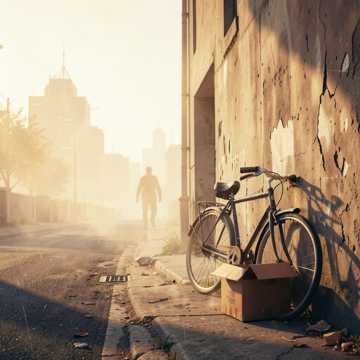
eski bisiklet
'eski bisiklet', şehirde görünmeden kaybolan bir adamın sabah sessizliğinde süzülen hayatını anlatan melankolik bir Anadolu rock şarkısıdır. Yoksulluk, yalnızlık ve insanın yavaşça silinmesini sade ama etkileyici imgelerle işler.
05:54
4 days ago
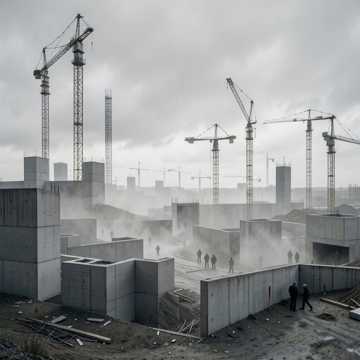
Чужой недострой
Тяжёлый индустриальный рэп о строительных рабочих, застрявших между бедностью, износом и ощущением бессмысленного труда. Сквозь пыль, перекосы и холодный звук проходит тема социальной несправедливости и внутреннего надлома.
02:59
6 days ago
Sub-tags and Classifications within Social Realism Music
Folk Music
Folk music plays a significant role in social realism music. It is characterized by its use of traditional instruments and melodies, often drawing onSocial Realism Music Overview the working-class and rural experiences. Folk music within social realism often features lyrics that address social issues such as inequality, exploitation, and the struggles of everyday life. It became a powerful tool for activists and musicians during the early 20th century, particularly during the Great Depression and the Civil Rights Movement.
Protest Songs
Protest songs are another important sub-genre within social realism music. These songs are typically written to raise awareness about political and social issues, urging listeners to take action or to reflect on societal injustices. Protest songs often use direct and impassioned lyrics to criticize oppressive systems or to call for social change, making them an integral part of the social realism movement.
Blues Music
Blues music is deeply embedded in social realism, particularly because it arose from the African American experience of hardship and oppression. The emotional depth of blues, with its themes of suffering, loss, and resilience, aligns with the core principles of social realism. The genre’s raw, expressive nature makes it an ideal medium for conveying the struggles of marginalized communities, especially during the early 20th century.
Classical Music with a Social Message
Classical composers have also contributed to social realism through works that incorporate social themes and direct critiques of society. These compositions often involve large orchestras or choirs and are meant to evoke powerful emotional responses. The use of classical music in social realism typically seeks to elevate the struggles of working-class individuals and to make an artistic statement about inequality and human rights.
Famous Artists and Works in Social Realism Music
Woody Guthrie
Woody Guthrie is perhaps one of the most iconic figures in the social realism music movement. His songs, such as 'This Land is Your Land,' directly addressed the struggles of working-class Americans during the Great Depression. Guthrie’s music, often filled with hope and activism, used folk melodies to criticize economic disparities and advocate for social justice.
This Land is Your Land
Written by Woody Guthrie in 1940, 'This Land is Your Land' is one of the most iconic protest songs in American history. The song speaks to the everyday lives of the working class, celebrating the natural beauty of the U.S. while subtly criticizing the disparity between the wealthy and the poor. The song's sing-along quality and its use of folk melodies make it a classic in social realism music.
Pete Seeger
Pete Seeger, a prominent American folk musician, played a crucial role in the social realism movement through his advocacy for civil rights and labor rights. His song 'Where Have All the Flowers Gone?' became an anthem of protest against war and injustice, showcasing Seeger's ability to intertwine music with social and political messages.
Where Have All the Flowers Gone?
Pete Seeger's 'Where Have All the Flowers Gone?' is a poignant anti-war song that became a symbol of the civil rights and anti-war movements. The song, with its simple but powerful lyrics, critiques the cycle of violence and the toll of war on society. Its use of folk melodies, coupled with its universal message, makes it a key piece in the social realism genre.
Lead Belly
Lead Belly, known for his powerful blues and folk music, highlighted issues of race and social injustice in his songs. His works, including 'Goodnight Irene' and 'Bourgeois Blues,' continue to serve as staples in the social realism movement, where the themes of poverty, labor, and resilience are prominent.
Goodnight Irene
Lead Belly's 'Goodnight Irene' is a song that combines elements of blues and folk music, showcasing themes of longing and heartache. The song speaks to the emotional struggles of everyday people, particularly in the context of love and loss, and became a staple in the social realism movement.
Shostakovich
Dmitri Shostakovich, a Soviet composer, incorporated elements of social realism into his classical compositions, particularly in works like his Symphony No. 5. Under the scrutiny of the Soviet regime, Shostakovich used music to both reflect the struggles of the working class and subtly criticize the political landscape of his time.
Symphony No. 5
Dmitri Shostakovich’s Symphony No. 5, composed in 1937, is considered a masterwork that integrates the principles of social realism. Under pressure from the Soviet regime, Shostakovich composed a work that was both accessible and emotionally powerful, reflecting the triumph of the human spirit despite political oppression. The symphony has been interpreted as a response to Stalin’s regime, blending elements of political criticism with a message of resilience.
Application Scenarios for Social Realism Music
Social realism music is often used in movie soundtracks to underscore themes of class struggle, social injustice, and resilience. For example, the use of folk or blues music in a film about the Great Depression can help establish the emotional landscape of the era and connect audiences to the historical and social context. Directors use this genre to evoke a sense of reality and groundedness, particularly in films that focus on working-class protagonists or social movements.
Movie Soundtracks
In advertising, social realism music can be used to appeal to the emotions of consumers by highlighting social justice causes, environmental issues, or economic disparities. Advertisers often use the powerful storytelling capabilities of folk or blues music to create a strong emotional connection between the audience and the product or cause being promoted.
Advertising Music
In video games, particularly those set in historical or dystopian contexts, social realism music can enhance the player's emotional experience. For example, a game set during the Industrial Revolution or a post-apocalyptic world might use blues or folk music to emphasize themes of survival, inequality, or social unrest, providing an immersive and impactful atmosphere.
Game Background Music