Free Teutonic Metal Music Generator Powered by AI
Turn text into high-quality Teutonic Metal music effortlessly – no login required!

music.toolTips
DD
Эпическая метал-баллада о борьбе с океанской стихией, где старый корвет и его экипаж выживают в жестоком шторме, отражая страдания, стойкость и триумф над смертью.
06:39
4 days ago
DD
Эпическая метал-баллада о старом корвете, который ценой собственных ран спасает экипаж из смертельного шторма. Сквозь бездну, страх и разрушение звучит история стойкости, жертвы и почти человеческой воли корабля к жизни.
07:04
4 days ago
DD
Мрачная метал-баллада о старом корвете, который вместе с экипажем проходит через смертельный шторм. Сквозь ярость океана, треск мачт и страх гибели звучит история выживания, преданности и последней надежды.
06:53
4 days ago
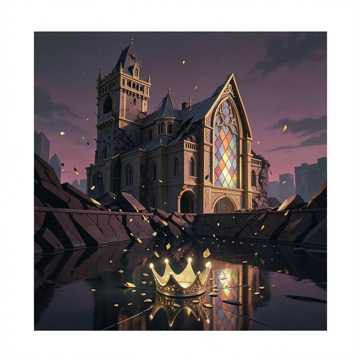
Где имя твое
Тяжёлая философская баллада о человеке, потерявшем себя в жажде статуса и власти. Сквозь агрессивные риффы и эмоциональный женский вокал песня раскрывает тему духовного распада, неизбежности смерти и поиска истинного имени души.
05:34
5 days ago
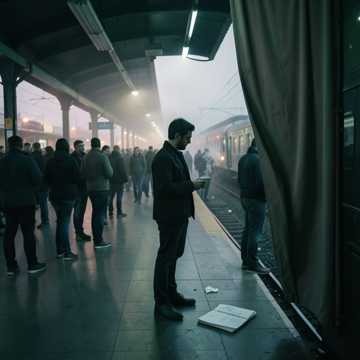
Попутчик
Песня рассказывает о случайном разговоре двух попутчиков в ночном поезде, где незнакомец раскрывает самые тяжёлые тайны своей жизни. Атмосфера дороги, одиночества и временной близости превращает встречу в тихую исповедь.
07:40
5 days ago
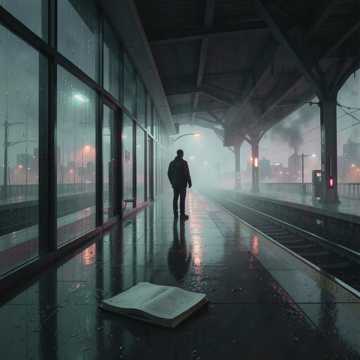
Попутчик
Песня рассказывает о двух случайных попутчиках, которые за одну ночь в вагоне поезда делятся самыми сокровенными переживаниями. Атмосфера дорожной исповеди, одиночества и мимолётной близости раскрывается через тяжёлые гитарные риффы и меланхоличный женский вокал.
06:26
5 days ago
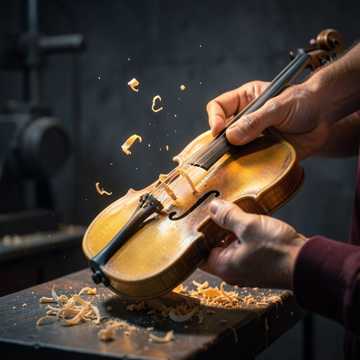
Дело мастера боится
Эпическая русская heavy metal баллада о противостоянии живого ремесла и бездушного конвейера. Через образ мастера-лютье песня прославляет человеческое тепло, уникальность ручной работы и силу настоящего искусства над машинным совершенством.
08:00
5 days ago
Teutonic Metal: Definition, Origins, and Evolution of the German Metal Sound
Teutonic Metal is a broad heavy metal style associated with Germany and the German-speaking regions of Europe. The term is most commonly connected with aggressive and technically driven forms of heavy metal that emerged during the late 1970s and early 1980s. Teutonic Metal became internationally recognized through the rise of German thrash metal bands that developed a harsher, darker, and more militaristic sound than many of their American and British counterparts. Characterized by fast riffing, powerful drumming, raw vocal delivery, and dark lyrical themes, Teutonic Metal helped shape the global evolution of extreme metal music. The roots of Teutonic Metal can be traced back to the influence of the New Wave of British Heavy Metal movement, combined with the unique intensity and precision of German musicians. Early pioneers such as Accept introduced a heavy, anthem-driven sound that laid the groundwork for later German metal styles. During the 1980s, bands like Kreator, Sodom, and Destruction formed what became known as the 'Big Three' of German thrash metal. These groupsTeutonic Metal Overview pushed musical aggression to new levels and heavily influenced the development of death metal and black metal worldwide. Throughout the 1990s and 2000s, Teutonic Metal expanded beyond thrash into power metal, industrial metal, progressive metal, and symphonic metal. German metal festivals, especially Wacken Open Air, further strengthened the international reputation of Teutonic Metal culture. Today, Teutonic Metal remains an important subgenre within global heavy metal, recognized for its precision, intensity, dark atmosphere, and innovative musicianship.
Teutonic Metal Sub-tags and Classifications
Teutonic Thrash Metal
Teutonic Thrash Metal is the most iconic and historically important branch of Teutonic Metal. Emerging in Germany during the early 1980s, this style is known for extremely fast guitar riffs, chaotic solos, aggressive vocals, and harsh production. Compared to American thrash metal, Teutonic Thrash Metal often sounds darker, more violent, and more extreme. Bands such as Kreator, Sodom, and Destruction pioneered this style and influenced the later development of death metal and black metal. Themes often include war, social collapse, anti-authoritarianism, and human brutality.
German Power Metal
German Power Metal is a melodic and highly energetic subgenre of Teutonic Metal that combines fast tempos with uplifting choruses and fantasy-inspired themes. Unlike the aggression of thrash metal, German Power Metal emphasizes technical precision, clean vocals, harmonized guitars, and epic songwriting. Bands such as Helloween, Blind Guardian, and Gamma Ray helped define the global power metal movement. This sub-tag is especially recognized for its theatrical style, melodic hooks, and virtuosic musicianship.
Industrial Teutonic Metal
Industrial Teutonic Metal merges heavy metal instrumentation with electronic, mechanical, and industrial sound design. The genre often features repetitive rhythms, synthesized textures, and deep vocal performances. German bands like Rammstein popularized this classification internationally by blending crushing guitar riffs with industrial beats and dramatic live performances. Lyrics commonly address themes of technology, alienation, politics, and modern society.
Teutonic Blackened Metal
Teutonic Blackened Metal combines elements of thrash metal, black metal, and extreme metal aggression. This subgenre is characterized by raw production, tremolo-picked guitar riffs, blast beats, and dark atmospheres. German bands experimenting with blackened metal frequently incorporate occult themes, nihilism, and historical imagery. Early Sodom recordings are often cited as foundational works for this hybrid style.
German Symphonic Metal
German Symphonic Metal blends orchestral arrangements with heavy metal structures. This sub-tag emphasizes cinematic soundscapes, operatic vocals, keyboards, and layered instrumentation. German symphonic metal artists often create emotionally dramatic compositions inspired by mythology, fantasy literature, and historical storytelling. The style is widely appreciated for its grand musical arrangements and polished production.
Progressive Teutonic Metal
Progressive Teutonic Metal focuses on technical complexity, unconventional song structures, and advanced musicianship. Bands in this classification often combine traditional heavy metal with jazz influences, progressive rock experimentation, and atmospheric textures. The genre appeals to listeners seeking intellectually engaging compositions and highly skilled instrumental performances.
Famous Teutonic Metal Artists and Classic Works
Kreator
Kreator is one of the most influential Teutonic Metal bands and a defining force in German thrash metal. Founded in Essen in 1982, the band became famous for albums such as 'Pleasure to Kill', 'Extreme Aggression', and 'Coma of Souls'. Kreator helped push thrash metal toward more extreme territory with relentless speed, violent riffs, and politically charged lyrics. Their impact on death metal and extreme metal remains enormous.
Pleasure to Kill - Kreator
Released in 1986, 'Pleasure to Kill' is considered one of the most aggressive and influential Teutonic Metal albums ever recorded. The album features chaotic riffing, rapid drumming, and violent lyrical imagery that helped bridge the gap between thrash metal and early death metal. Its raw production and relentless energy inspired countless extreme metal bands around the world.
Sodom
Sodom is widely regarded as one of the pioneers of Teutonic Thrash Metal. Known for raw production, dark lyrical themes, and aggressive performances, the band influenced the development of black metal and death metal. Albums such as 'Agent Orange' and 'Persecution Mania' are considered classics of German metal history. Sodom's militaristic themes and brutal sound helped establish the darker identity of Teutonic Metal.
Agent Orange - Sodom
Released in 1989, 'Agent Orange' combined brutal thrash metal aggression with surprisingly sophisticated songwriting. The album explored themes of war and destruction while featuring memorable riffs and powerful rhythms. It became one of the most commercially successful Teutonic Thrash Metal albums and demonstrated the genre's ability to balance intensity with musical structure.
Destruction
Destruction played a critical role in defining the speed and aggression of Teutonic Metal. The band's technical riffing, high-energy drumming, and intense stage presence made them one of the most respected acts in European thrash metal. Albums such as 'Infernal Overkill' and 'Eternal Devastation' became landmarks within the genre.
Balls to the Wall - Accept
This 1983 album helped define classic German heavy metal. Featuring massive guitar riffs, anthemic choruses, and strong vocal performances, 'Balls to the Wall' became an international heavy metal anthem. The album's polished production and memorable songwriting expanded the global reach of Teutonic Metal.
Accept
Accept helped establish the international reputation of German heavy metal before the rise of thrash metal. Their anthem-driven songs, powerful guitar tone, and memorable choruses influenced countless metal bands worldwide. Classic songs like 'Balls to the Wall' and 'Fast as a Shark' became foundational works for speed metal and traditional heavy metal.
Keeper of the Seven Keys Part II - Helloween
Widely regarded as one of the greatest power metal albums ever made, this release combined speed, melody, technical musicianship, and fantasy-inspired storytelling. Songs like 'Eagle Fly Free' and 'I Want Out' became defining examples of melodic Teutonic Metal and heavily influenced future power metal bands.
Helloween
Helloween revolutionized melodic Teutonic Metal by creating the blueprint for European power metal. Albums such as 'Keeper of the Seven Keys Part I and II' introduced fast melodic guitar work, soaring vocals, and fantasy storytelling. Their influence can be heard throughout the global power metal scene.
Du Hast - Rammstein
Although technically a single rather than a full album, 'Du Hast' became one of the most recognizable Industrial Teutonic Metal tracks worldwide. The song's mechanical rhythms, heavy guitar riffs, and hypnotic vocal delivery introduced millions of listeners to German industrial metal. Its minimalist structure and powerful live performances made it iconic.
Rammstein
Rammstein brought Industrial Teutonic Metal to mainstream global audiences. Their fusion of heavy riffs, electronic rhythms, theatrical performances, and German-language lyrics created a unique identity that expanded the commercial reach of German metal music. Songs like 'Du Hast' and 'Sonne' became international hits.
Infernal Overkill - Destruction
This landmark thrash metal album showcased the speed, aggression, and technicality that became central to Teutonic Metal. Its razor-sharp riffs, energetic drumming, and dark atmosphere helped establish Destruction as one of the genre's leading innovators.
Application Scenarios for Teutonic Metal Music
Teutonic Metal is frequently used in action films, war movies, dystopian science fiction, and horror cinema because of its intense atmosphere and aggressive energy. Fast thrash metal tracks can enhance combat scenes, while industrial Teutonic Metal creates dark futuristic moods for cyberpunk and post-apocalyptic settings.
Movie Soundtracks
Teutonic Metal is highly effective in video games, especially first-person shooters, action RPGs, strategy games, and dark fantasy titles. Heavy guitar riffs and powerful rhythms increase player immersion during boss battles, warfare sequences, and high-intensity gameplay moments.
Video Game Background Music
The aggressive tempo and energetic structure of Teutonic Metal make it ideal for workout playlists, martial arts training, weightlifting, and extreme sports events. Many athletes use Teutonic Metal music for motivation and adrenaline enhancement during training sessions.
Sports and Fitness
Brands targeting rebellious, energetic, or alternative audiences sometimes use Teutonic Metal-inspired music in advertising campaigns. Automotive commercials, gaming promotions, and extreme sports branding often incorporate heavy riffs and industrial soundscapes to create excitement and intensity.
Advertising and Promotional Campaigns
Teutonic Metal is central to major heavy metal festivals and live performance culture. Events such as large outdoor festivals frequently feature Teutonic Metal bands because of their strong audience engagement, theatrical performances, and high-energy atmosphere.
Live Festivals and Event Entertainment
Documentaries focusing on warfare, social conflict, underground culture, or industrial history may use Teutonic Metal to create emotional intensity and historical atmosphere. The genre's dark tone and powerful instrumentation help reinforce themes of struggle, conflict, and rebellion.
Documentaries and Historical Media