
Free Underground Club Music Generator Powered by AI
Turn text into high-quality Underground Club music effortlessly – no login required!

music.toolTips
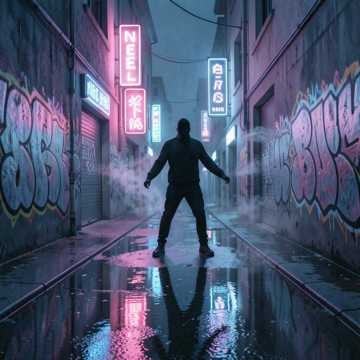
Бычесть в неоне
Жесткий пост-панк трек о столкновении чистоты и внутренней силы с деградирующей городской средой. Сквозь плевки, алкоголь и агрессию героиня сохраняет независимость, превращая ночной хаос в личный акт сопротивления.
03:19
5 hours ago
3O
أغنية 3O تكشف الوجه المظلم للإنسان بين الابتسامات الصامتة والقلوب الخالية، مضمنة ضمن إيقاعات تكنو هاوس عالية الطاقة تعكس الغموض والهدوء القاتل.
02:42
16 hours ago

3O
عمل عربي عميق يستكشف الأقنعة النفسية والخوف الإنساني والوعي المؤلم عبر كلمات فلسفية مؤثرة، ممزوجة بإيقاع Tech House مظلم وحيوي يمنح الأغنية طاقة راقصة وهوية عاطفية متناقضة بين الانكسار والنجاة.
03:42
18 hours ago

ليكسس فوق الوجع
أغنية تعكس مواجهة الألم الداخلي بالقوة والصبر، حيث يتحول الغضب والقلق إلى طاقة تحررية على إيقاع داكن وجريء يجمع بين الكلاجي والدرِل-تراپ.
03:10
20 hours ago

ليكسس المهابة
أغنية تمزج بين القوة والهيبة، حيث يعكس صوت السيارة والفخامة السوداء أسلوب حياة مهيب، مصحوبًا بإيقاعات داكنة ومتوترة تجمع بين خليجي ودريل والبرازيلي.
03:04
20 hours ago

Metal Hearts
A dark, high-energy deep house track with cinematic tension, metallic textures, and festival-ready drops, creating an intense and mysterious nightlife atmosphere without vocals.
03:25
2 days ago
дддрружж
Энергичный deep house трек с hypnotic басом и интимными шепотами, отражающий дружбу, ночную свободу и единство через музыку.
03:02
2 days ago
Rave Circuit Shuffle
A high-voltage instrumental fusion of breakbeat, electro, techno, and happy hardcore, driven by chopped drum edits, booming sub-bass, and euphoric synth surges that create an energetic underground rave atmosphere.
03:37
3 days ago

ليكسس الأسود
أغنية خليجية دريل تحتفي بالقوة، الهيبة، والسيطرة في شوارع المدينة، مع إيقاع غامق ونابض بالثقة، تُبرز أسلوباً جريئاً وفخماً على كل خطوة.
03:16
6 days ago
Introduction to Underground Club Music
Underground club music refers to a genre and culture that thrives outside the mainstream music industry. It is rooted in electronic dance music (EDM) but often focuses on subversive, experimental, and avant-garde elements. The term 'underground' signifies the music’s non-commercial, countercultural nature, appealing to a niche group of enthusiasts. Its origins trace back to the late 1980s and early 1990s, during the rise of rave culture in cities like Chicago, Detroit, and Berlin. The genre was shaped by early techno, house, and acid house music, which were often played in intimate, underground spaces like warehouses and clubs, with a focus on inclusivity and raw energy.
Sub-tags and Classifications of Underground Club Music
Techno
Techno is one of the most influential genres within underground club music. Originating in Detroit in the late 1980s, it features repetitive, machine-like beats and futuristic soundscapes. Its minimalist approach often emphasizes deep basslines and synthetic rhythms. Techno is known for its hypnotic effect on listeners, making it a staple in underground club scenes.
House
House music emerged from Chicago in the early 1980s and has become synonymous with undergroundUnderground Club Music club culture. It is characterized by a four-on-the-floor beat, groovy basslines, and soulful or funky vocal samples. While it initially gained mainstream attention, its underground roots remain strong, with artists pushing the genre’s boundaries in experimental directions.
Drum and Bass
Drum and Bass (DNB) is a genre of underground club music known for its fast tempo (usually 160-180 BPM) and heavy basslines. Originating in the UK during the 1990s, it blends elements of jungle, techno, and breakbeat, with an emphasis on complex drum patterns and bass-heavy sound design. DNB has a strong following in underground club scenes, particularly in the UK and Europe.
Acid House
Acid House is a subgenre of house music that uses the distinctive squelching sounds of the Roland TB-303 bass synthesizer. Originating in Chicago in the mid-1980s, it became a cornerstone of rave and underground club culture, particularly in the UK. Its psychedelic elements and experimental approach have made it a cult favorite among fans of underground dance music.
Famous Artists and Works in Underground Club Music
Derrick May
Derrick May is widely regarded as one of the pioneers of Detroit techno, contributing significantly to the underground club music movement. His track 'Strings of Life' is considered a landmark in electronic dance music, blending classical elements with futuristic, industrial beats. His influence on underground club music is immense, shaping the sound of techno worldwide.
Derrick May - Strings of Life
'Strings of Life' is a classic track that is widely regarded as one of the defining anthems of Detroit techno. Its use of orchestral strings combined with rhythmic drum machines and synthesizers created a unique blend of elegance and energy. The track’s complex structure and deep emotional impact helped elevate underground techno to the forefront of dance music culture.
Jeff Mills
Jeff Mills is another key figure in Detroit techno. Known for his fast-paced, high-energy sets, Mills helped push the boundaries of underground club music. His album 'Waveform Transmission Vol. 1' is a seminal work in the genre, showcasing his mastery of minimal techno, which has had a lasting impact on underground club culture.
Jeff Mills - The Bells
'The Bells' by Jeff Mills is a signature track in the world of underground club music, representing the essence of minimal techno. The track’s simple yet powerful bell-like melody, combined with a driving bassline and hypnotic rhythm, creates an irresistible energy that has made it a timeless classic in underground techno clubs worldwide.
Ricardo Villalobos
Ricardo Villalobos is a Chilean-German DJ and producer known for his unique style of minimal techno and house music. His long, intricate DJ sets and productions, such as 'Easy Lee,' have made him a staple in underground club scenes, particularly in Berlin’s infamous Berghain club. Villalobos is renowned for blending complex rhythms and atmospheric elements, making him a key figure in the evolution of underground electronic music.
Ricardo Villalobos - Easy Lee
'Easy Lee' by Ricardo Villalobos is a track that exemplifies the intricacies of minimal techno. Its extended, evolving structure with subtle shifts in rhythm and texture showcases Villalobos’s ability to captivate audiences with his complex, layered soundscapes. The track is a favorite in underground clubs due to its deep, immersive quality.
Application Scenarios of Underground Club Music
Underground club music is often used in movie soundtracks to create intense, immersive atmospheres. For example, the 1999 film 'The Matrix' features underground club music that enhances the film's dystopian vibe. The driving rhythms of techno and house music accentuate action scenes, while the deep basslines and minimalistic beats add to the film’s sense of futurism and rebellion.
Movie Soundtracks
In advertising, underground club music can be used to evoke a sense of modernity, edginess, and energy. Brands targeting younger, more urban demographics often incorporate underground techno or house music to create a cool, rebellious image. For example, brands like Nike and Adidas have used underground electronic music in their commercials to convey a sense of youthful energy and innovation.
Advertising Music
Many video games, particularly those with futuristic or cyberpunk themes, utilize underground club music to set the tone and enhance the player’s experience. Games like 'Grand Theft Auto' and 'Beat Saber' feature underground electronic music to match their fast-paced, action-packed gameplay. The hypnotic, driving beats help immerse players in the game’s environment and keep them engaged.
Video Game Soundtracks