Free vintage blues Music Generator Powered by AI
Turn text into high-quality vintage blues music effortlessly – no login required!

music.toolTips
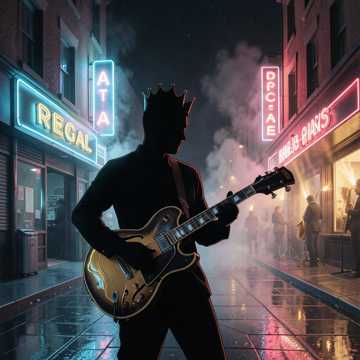
le roi du blues
Cette chanson célèbre l'héritage de B.B. King à travers un hommage poétique et historique. Entre évocations de Lucille, du Regal Theater et des racines du Delta Blues, le narrateur transmet l'influence intemporelle du maître du blues et son empreinte émotionnelle durable.
06:21
7 hours ago

Bum,bum
Energetyczny utwór heavy boogie blues o surowym, klubowym klimacie. Dominują mocne riffy, harmonijka i chropowaty wokal, a tekst łączy flirt, pewność siebie i buntowniczy duch klasycznego blues rocka.
06:08
2 days ago
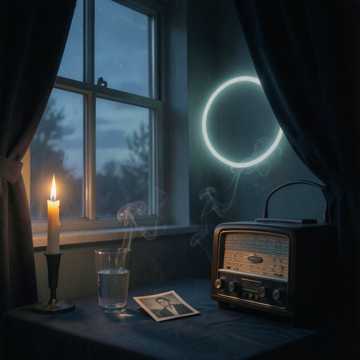
When I Am Gone
A melancholic spiritual blues song about love, absence, memory, and emotional endurance. Through candlelight, angels, silence, and longing, it reflects on grief, devotion, and the fragile hope that remains after loss.
04:42
4 days ago
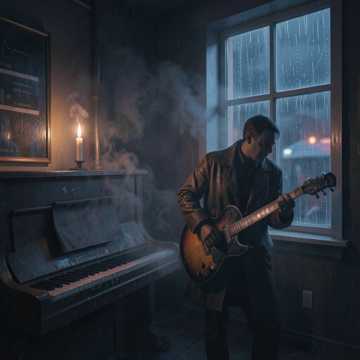
Majd ha nem leszek
A dal az elmúlás és az örök szerelem fájdalmas kérdéseit járja körül. A narrátor attól fél, hogy halála után feledésbe merül, miközben mécsesek, angyalok és régi álmok képei teremtik meg a melankolikus, filmszerű blues atmoszférát.
03:54
4 days ago
I melodia perfecta
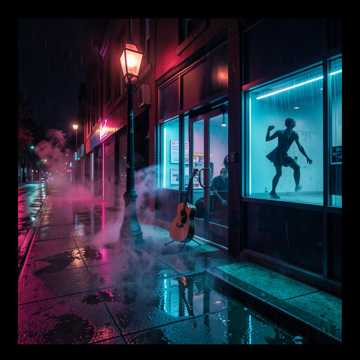
Una confesión de amor intensa y melancólica donde la pasión, la nostalgia y la devoción absoluta se mezclan con el sonido profundo del Chicago blues y el blues noir, creando una atmósfera nocturna cargada de emoción, deseo y entrega total.
06:17
6 days ago

Bayou blues13
A dark blues ballad set in the Louisiana bayou, chronicling the terror and devastation of a hurricane through vivid imagery of rising waters, tolling church bells, and human loss. The melancholic female vocals deepen the song's themes of mortality, faith, and helplessness.
08:00
6 days ago
Vintage Blues Music: Definition, Origins, and Historical Evolution
Vintage Blues is a classic style of blues music rooted in the African American musical traditions of the late 19th and early 20th centuries. Characterized by emotional storytelling, expressive vocals, raw guitar techniques, harmonica melodies, and simple yet powerful rhythms, Vintage Blues represents the foundational sound that shaped modern blues, jazz, rock, and soul music. The term 'Vintage Blues' is commonly used to describe early blues recordings and traditional blues styles from the 1920s through the 1950s, including Delta Blues, Chicago Blues, Piedmont Blues, and Country Blues. The origins of Vintage Blues can be traced to the Mississippi Delta, where field hollers, spirituals, work songs, and folk traditions blended into a unique musical form focused on themes such as hardship, love, travel, resilience, and freedom. During the 1920s and 1930s, blues music gained commercial recognition through pioneering artists like Robert Johnson, Son House, Bessie Smith, and Blind Lemon Jefferson. The migration of African American musicians to northern cities suchVintage Blues Overview as Chicago and Detroit during the Great Migration transformed the acoustic roots of Vintage Blues into electrified urban styles. Vintage Blues later influenced the British Blues Revival of the 1960s, inspiring legendary rock musicians and helping establish blues as a globally respected genre. Today, Vintage Blues remains popular in film soundtracks, vinyl collections, blues festivals, retro-themed media, and classic music playlists due to its authentic emotional depth and timeless sound.
Vintage Blues Sub-tags and Classifications
Delta Blues
Delta Blues is one of the earliest and most influential forms of Vintage Blues, originating from the Mississippi Delta region in the early 20th century. This style is known for raw emotional vocals, slide guitar techniques, minimal instrumentation, and deeply personal lyrical themes. Delta Blues often features acoustic guitar rhythms combined with expressive improvisation. Artists such as Robert Johnson and Son House helped define the haunting and powerful sound associated with traditional Delta Blues music.
Chicago Blues
Chicago Blues developed when southern blues musicians migrated to urban northern cities during the Great Migration. This Vintage Blues classification introduced electric guitars, amplified harmonicas, bass, drums, and piano into traditional blues structures. Chicago Blues created a louder and more energetic sound that strongly influenced early rock and roll. Muddy Waters, Howlin' Wolf, and Willie Dixon are major figures associated with this style.
Country Blues
Country Blues is a folk-oriented branch of Vintage Blues that emphasizes acoustic instruments, solo performances, and storytelling traditions. Often performed by traveling musicians in rural communities, Country Blues combines fingerpicking guitar styles with emotional vocals. The genre is valued for its authenticity and simplicity, preserving the original spirit of early American blues music.
Piedmont Blues
Piedmont Blues emerged in the southeastern United States and is recognized for its syncopated fingerstyle guitar technique influenced by ragtime music. Unlike the darker sound of Delta Blues, Piedmont Blues often features lighter melodies and complex rhythmic patterns. This Vintage Blues style became popular through musicians like Blind Boy Fuller and Reverend Gary Davis.
Classic Female Blues
Classic Female Blues refers to the influential blues performances of female vocalists during the 1920s and 1930s. These singers combined jazz, vaudeville, and blues elements into emotionally rich performances. Artists such as Bessie Smith and Ma Rainey brought Vintage Blues into mainstream theaters and recording studios, helping establish the commercial success of blues music.
Jump Blues
Jump Blues is an upbeat and dance-oriented style of Vintage Blues that became popular in the 1940s. Featuring swing rhythms, energetic brass sections, and lively vocals, Jump Blues bridged the gap between traditional blues and early rhythm and blues. This sub-genre played an important role in the development of rock and roll music.
Electric Blues
Electric Blues modernized Vintage Blues through amplified instruments and urban production techniques. Emerging primarily in Chicago after World War II, Electric Blues added powerful guitar solos, amplified harmonica sounds, and stronger rhythms that appealed to larger audiences. This style directly influenced rock guitar traditions and modern blues-rock music.
Famous Vintage Blues Artists and Classic Works
Robert Johnson
Robert Johnson is one of the most legendary figures in Vintage Blues history. Known for songs such as 'Cross Road Blues' and 'Hellhound on My Trail,' Johnson revolutionized Delta Blues guitar techniques and lyrical storytelling. His haunting vocal style and innovative slide guitar playing influenced generations of blues and rock musicians, including Eric Clapton and The Rolling Stones.
Cross Road Blues - Robert Johnson
This iconic Vintage Blues recording is celebrated for its emotional intensity, sophisticated guitar work, and mythological storytelling themes. The song's structure and haunting atmosphere helped establish Delta Blues as one of the most influential forms of traditional American music.
Muddy Waters
Muddy Waters transformed traditional Delta Blues into electric Chicago Blues. His influential recordings such as 'Hoochie Coochie Man' and 'Mannish Boy' helped define the urban Vintage Blues sound. Waters introduced amplified instruments and a full-band blues format that later shaped modern rock music.
Hoochie Coochie Man - Muddy Waters
Featuring electrified instrumentation, powerful rhythms, and memorable lyrical repetition, this Chicago Blues classic became one of the defining songs of Vintage Blues. The track introduced a modern urban sound that strongly influenced rock and blues music worldwide.
Bessie Smith
Known as the 'Empress of the Blues,' Bessie Smith became one of the most successful female Vintage Blues artists of the 1920s. Her powerful voice and emotionally expressive performances in songs like 'Nobody Knows You When You're Down and Out' brought blues music into mainstream American culture.
Nobody Knows You When You're Down and Out - Bessie Smith
This Vintage Blues masterpiece combines emotional storytelling with jazz-influenced instrumentation. Bessie Smith's expressive vocal performance captures themes of wealth, loneliness, and human vulnerability, making the song a timeless example of classic female blues.
Howlin' Wolf
Howlin' Wolf was famous for his deep voice, commanding stage presence, and influential Chicago Blues recordings. Tracks such as 'Smokestack Lightning' became defining examples of Vintage Blues intensity and authenticity. His music strongly impacted British blues-rock artists during the 1960s.
Smokestack Lightning - Howlin' Wolf
Known for its hypnotic rhythm, raw vocals, and minimalist structure, 'Smokestack Lightning' showcases the emotional power of Vintage Blues music. The song's repetitive guitar riff and dark atmosphere influenced later blues-rock and psychedelic music styles.
Son House
Son House played a major role in shaping early Delta Blues traditions. His emotionally charged vocals and slide guitar techniques influenced Robert Johnson and many later Vintage Blues musicians. Songs like 'Death Letter Blues' remain iconic within traditional blues history.
Death Letter Blues - Son House
This emotionally intense Delta Blues recording highlights Son House's passionate vocal delivery and expressive slide guitar playing. The song demonstrates the deeply personal and spiritual nature of early Vintage Blues traditions.
Blind Lemon Jefferson
Blind Lemon Jefferson was a pioneering Country Blues musician known for his expressive guitar playing and unique vocal phrasing. His recordings helped establish the commercial blues recording industry during the 1920s and influenced countless acoustic blues performers.
Match Box Blues - Blind Lemon Jefferson
This Country Blues classic features innovative guitar phrasing, dynamic vocals, and strong rhythmic structure. The song became highly influential in both blues and rockabilly music development, later inspiring artists such as Carl Perkins and The Beatles.
Vintage Blues Music Application Scenarios
Vintage Blues music is frequently used in film soundtracks to create emotional depth, historical atmosphere, and dramatic tension. Delta Blues and Chicago Blues tracks are commonly featured in crime dramas, historical films, documentaries, and road movies to evoke authenticity and nostalgia.
Movie Soundtracks
Many television series use Vintage Blues music to establish mood and character identity. Blues guitar riffs and soulful harmonica melodies are especially effective in period dramas, detective stories, and Southern American settings.
Television and Streaming Series
Brands often use Vintage Blues tracks in advertising campaigns to communicate authenticity, craftsmanship, heritage, and emotional storytelling. Acoustic blues music is particularly effective in commercials for whiskey, denim, motorcycles, coffee, and vintage lifestyle products.
Advertising and Commercial Campaigns
Vintage Blues music is widely used in video games set in historical America, noir environments, rural landscapes, or post-apocalyptic worlds. Blues-inspired soundtracks enhance immersion and emotional engagement in storytelling-driven games.
Video Game Background Music
Blues playlists featuring Vintage Blues artists are commonly played in restaurants, jazz bars, whiskey lounges, and retro cafes to create a relaxed, soulful, and nostalgic atmosphere for customers.
Restaurants, Bars, and Cafes
Documentary filmmakers frequently use Vintage Blues music to represent American cultural history, social struggles, and African American heritage. Traditional blues recordings provide historical authenticity and emotional resonance.
Documentaries and Historical Media
Vintage Blues music is often paired with retro fashion campaigns, vinyl culture promotions, and heritage-inspired lifestyle brands. The timeless sound of blues reinforces themes of individuality, rebellion, authenticity, and artistic expression.
Fashion and Lifestyle Branding