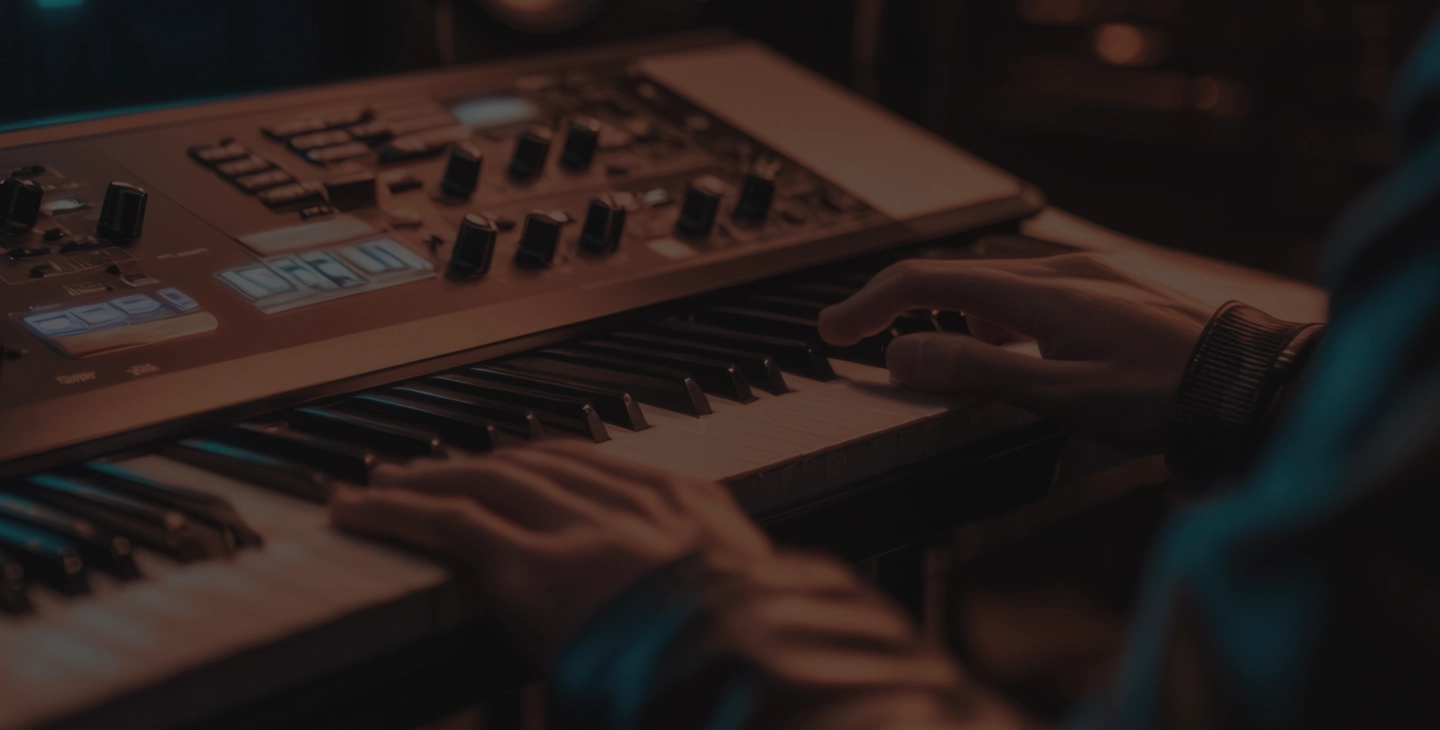
Free Cinematic Electronica Music Generator Powered by AI
Turn text into high-quality Cinematic Electronica music effortlessly – no login required!

music.toolTips
Cinematic Electronica is a genre of electronic music that blends cinematic soundscapes with electronic beats and textures. It is characterized by its emotional depth, ambient atmospheres, and cinematic qualities, often evoking a sense of vast landscapes, drama, or intense emotional moments. The genre emerged in the late 1990s and early 2000s, as electronic music became more accessible and artists sought to explore new ways of combining traditional film scoring techniques with electronic production methods. Influenced by soundtracks of movies and video games, the genre has evolved to include a wide range of sub-genres, from ambient to more rhythmic and upbeat forms. It has found its place in various media, including film, TV, video games, and advertising, providing an immersive auditory experience that enhances visual storytelling.
Sub-tags and Classifications of Cinematic Electronica
Ambient Cinematic Electronica
This sub-genre focuses on creating atmospheric soundscapes that evoke emotions and set the tone for a scene or story. It relies on slow-building pads, subtle melodies, and organic sounds, often with minimal percussion. Artists in this sub-tag aim to immerse listeners in a sonicCinematic Electronica Overview environment that complements visuals, with little to no traditional song structure. It’s commonly used in soundtracks for contemplative or dramatic scenes.
Cinematic Downtempo
Cinematic Downtempo blends slower, relaxed beats with rich, cinematic atmospheres. It incorporates elements of trip-hop and ambient music, often with a focus on instrumental arrangements. The music tends to have a laid-back feel, but its rich sound design creates a cinematic quality that evokes a wide range of emotional responses. This sub-genre is popular in soundtracks for films and TV shows that require a more introspective or melancholic mood.
Cinematic Electro-Orchestral
This sub-tag combines electronic elements with orchestral arrangements, resulting in a fusion of synthetic and organic sounds. It’s often characterized by grandiose string sections, dramatic brass, and electronic beats that add an element of intensity and modernity. Cinematic Electro-Orchestral is frequently used in action-packed sequences or epic storytelling, blending the grandeur of classical music with the innovation of electronic production.
Cinematic Industrial Electronica
This sub-genre introduces darker, more aggressive tones into the cinematic electronic sound. It combines harsh industrial sounds, distorted beats, and atmospheric pads, creating an intense and sometimes dystopian atmosphere. Cinematic Industrial Electronica is ideal for thriller or sci-fi films, where tension, chaos, or a sense of urgency is required.
Famous Artists and Iconic Works in Cinematic Electronica
Hans Zimmer
Hans Zimmer is a pioneer in the fusion of orchestral and electronic music, particularly in film scoring. His work on movies like 'Inception' and 'Interstellar' combines traditional orchestral compositions with cinematic electronica, creating emotional, immersive soundscapes. Zimmer’s influence in the genre is immense, as he pushed the boundaries of what electronic elements could achieve in film music.
Inception (Hans Zimmer)
The soundtrack of 'Inception' is a prime example of cinematic electronica, where Zimmer combines a deep, emotional orchestral score with ambient and electronic textures. The use of the 'braaam' sound – a low-frequency wave – became iconic in modern film scoring and has influenced countless other works in cinematic electronica.
Clint Mansell
Clint Mansell is known for his work on films like 'Requiem for a Dream' and 'The Fountain,' where he blends electronic textures with orchestral arrangements. Mansell’s compositions are a key part of the cinematic electronica scene, with a style that combines haunting melodies and deep emotional resonance.
Requiem for a Dream (Clint Mansell)
Mansell’s score for 'Requiem for a Dream' is a haunting mix of electronic beats and orchestral elements. The electronic elements intensify the film’s emotional turmoil, while the orchestral sections provide a sense of dramatic urgency. This work remains one of the most iconic examples of cinematic electronica, with its unique blend of electronic textures and classical instrumentation.
Lorne Balfe
Lorne Balfe has become known for incorporating electronic music into his film scores, often adding a layer of modernity and urgency to his compositions. His work on films like 'Mission: Impossible – Fallout' and 'The Lego Batman Movie' showcases his ability to mix electronic and orchestral elements seamlessly.
The Social Network (Trent Reznor & Atticus Ross)
The score for 'The Social Network' is another excellent example of cinematic electronica. Reznor and Ross blend dark, industrial electronic sounds with subtle orchestral elements, enhancing the film's intense, intellectual atmosphere. Their innovative use of electronic sounds in this score set a new standard for modern film music.
Tycho
Tycho is an electronic music producer whose works like 'Dive' and 'Awake' incorporate ambient soundscapes with electronic beats. Though his work is primarily categorized as ambient, it has strong cinematic influences, making it a perfect example of cinematic electronica.
Application Scenarios of Cinematic Electronica in Media
Cinematic Electronica is frequently used in film soundtracks to enhance emotional depth, build tension, or evoke specific moods. Whether in dramatic scenes, action sequences, or intimate moments, this genre’s ability to blend electronic beats with orchestral or ambient elements makes it ideal for storytelling in cinema. Films like 'Blade Runner 2049' and 'The Dark Knight' showcase how cinematic electronica can elevate the visual experience.
Film Soundtracks
The immersive and atmospheric qualities of Cinematic Electronica make it a perfect choice for video game soundtracks. Games like 'Mass Effect' and 'Destiny' incorporate cinematic electronica to create dynamic and engaging soundscapes, providing a sonic backdrop that enhances the gaming experience. The music helps to immerse players in the world of the game, enhancing both narrative and gameplay.
Video Game Music
Cinematic Electronica is also used in advertising to create a dramatic, impactful atmosphere that enhances the messaging of a brand or product. Ads that require emotional engagement or that tell a story benefit from the genre's ability to mix orchestral grandeur with modern, electronic elements. This style of music is often used in commercials for cars, technology, and luxury products, where an epic or sophisticated vibe is desired.
Advertising Music