
Free industrial imagery Music Generator Powered by AI
Turn text into high-quality industrial imagery music effortlessly – no login required!

music.toolTips
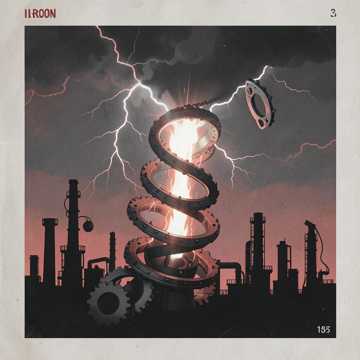
Петля железа
Энергичная рок-композиция о сопротивлении давлению, внутренней силе и бесконечном движении вперёд. Через индустриальные образы железа, тока и огня герой проходит испытания, сохраняя решимость и верность своему внутреннему пламени.
03:01
3 days ago
Industrial Imagery Music: Definition, Origins, and Evolution
Industrial Imagery is a music tag used to describe compositions and sound designs that evoke the atmosphere, aesthetics, and emotional impact of industrial environments. Industrial Imagery music often incorporates mechanical rhythms, metallic percussion, machine-like textures, distorted electronics, ambient factory sounds, and dark cinematic soundscapes to create sonic representations of factories, urban decay, technological advancement, and post-industrial landscapes. The roots of Industrial Imagery can be traced to the industrial music movement of the late 1970s and early 1980s, pioneered by artists who experimented with noise, tape manipulation, found sounds, and unconventional production techniques. Over time, Industrial Imagery evolved beyond traditional industrial music and became a broader descriptive tag used in film scoring, video game soundtracks, trailer music, ambient electronic compositions, and multimedia art. Modern Industrial Imagery music blends elements of industrial, dark ambient, techno, cinematic sound design, experimentalIndustrial Imagery Music Overview electronic music, and soundscape composition. Today, the Industrial Imagery tag represents not only a musical style but also a conceptual approach that uses sound to portray machinery, urban infrastructure, technological systems, dystopian futures, and the relationship between humans and machines.
Industrial Imagery Music Sub-tags and Classifications
Dark Industrial Imagery
Dark Industrial Imagery emphasizes bleak atmospheres, distorted mechanical sounds, low-frequency drones, and ominous textures. This classification often conveys themes of isolation, urban decay, post-apocalyptic environments, and dystopian societies. It is commonly used in horror films, psychological thrillers, and dark science-fiction productions.
Cinematic Industrial Imagery
Cinematic Industrial Imagery combines industrial sound design with orchestral elements, epic percussion, and dramatic arrangements. The music creates large-scale visual impressions of factories, futuristic cities, military complexes, and technological megastructures. This sub-tag is widely used in movie trailers, action films, and blockbuster game soundtracks.
Ambient Industrial Imagery
Ambient Industrial Imagery focuses on atmospheric textures rather than aggressive rhythms. Slow-moving drones, environmental recordings, machine hums, and subtle metallic resonances create immersive sonic environments. This classification is ideal for art installations, documentary scoring, and exploratory video game environments.
Mechanical Rhythm Industrial
Mechanical Rhythm Industrial centers around repetitive machine-inspired patterns, synchronized percussion, and precise rhythmic structures. The music mirrors assembly lines, automated systems, and robotic processes. This sub-tag is frequently used in technology advertisements, industrial documentaries, and futuristic media productions.
Industrial Techno Imagery
Industrial Techno Imagery merges industrial aesthetics with electronic dance music structures. Heavy kick drums, metallic percussion, synthetic textures, and machine-driven grooves create energetic yet mechanical soundscapes. This classification is popular in cyberpunk-themed projects and electronic music festivals.
Post-Industrial Soundscape
Post-Industrial Soundscape explores the emotional aftermath of industrial decline. Rusted machinery, abandoned spaces, environmental ambience, and melancholic textures are used to evoke themes of transformation, memory, and urban abandonment. The sub-tag is often associated with documentary filmmaking and experimental art.
Cyber-Industrial Imagery
Cyber-Industrial Imagery blends industrial sound elements with futuristic digital aesthetics. Glitch effects, synthetic drones, AI-inspired textures, and advanced technological motifs create soundscapes that reflect cybernetic worlds, virtual realities, and high-tech dystopias.
Noise-Based Industrial Imagery
Noise-Based Industrial Imagery incorporates harsh noise, feedback manipulation, abrasive textures, and experimental sonic structures. This sub-tag pushes the boundaries of traditional music and focuses on creating intense auditory representations of industrial power, machinery, and technological chaos.
Famous Artists and Classic Works Associated with Industrial Imagery Music
Throbbing Gristle
Widely regarded as pioneers of industrial music, Throbbing Gristle established many of the sonic foundations that define Industrial Imagery. Their experimental use of tape loops, machine noises, and unconventional recording techniques inspired generations of artists interested in industrial aesthetics and sound design.
20 Jazz Funk Greats - Throbbing Gristle
Despite its misleading title, this influential album helped define industrial aesthetics through experimental production, unsettling atmospheres, and unconventional sonic structures. The work expanded the possibilities of Industrial Imagery by demonstrating how sound could evoke industrial environments and psychological tension.
Einstürzende Neubauten
Known for using construction materials, metal objects, and custom-built instruments, Einstürzende Neubauten transformed industrial environments into musical instruments. Their work strongly embodies the Industrial Imagery concept by turning physical industrial spaces into sonic experiences.
Halber Mensch - Einstürzende Neubauten
This landmark release showcased the use of metal percussion, construction materials, and industrial objects as musical instruments. Its innovative approach transformed physical industrial imagery into a highly immersive sonic experience and remains a cornerstone of industrial-inspired composition.
Front Line Assembly
Front Line Assembly helped expand Industrial Imagery into electronic and cybernetic territories. Their combination of aggressive rhythms, futuristic sound design, and cinematic atmospheres influenced modern industrial electronic music and game soundtracks.
Tactical Neural Implant - Front Line Assembly
Combining electronic sequencing, mechanical rhythms, and futuristic sound design, this album represents the evolution of Industrial Imagery into cyber-industrial territory. Its sophisticated production techniques influenced electronic and game music composers worldwide.
Nine Inch Nails
Through albums such as 'The Downward Spiral' and 'The Fragile,' Nine Inch Nails brought industrial aesthetics into mainstream music. Their blend of emotional songwriting, mechanical textures, and innovative production techniques expanded public awareness of Industrial Imagery-inspired sounds.
The Downward Spiral - Nine Inch Nails
This album merged industrial textures with accessible songwriting, bringing Industrial Imagery aesthetics to a broader audience. Distorted sound design, layered production, and machine-like rhythmic structures created a powerful emotional and sonic impact.
Coil
Coil contributed significantly to the atmospheric and experimental side of Industrial Imagery. Their work explored dark ambient textures, ritualistic sound design, and immersive sonic landscapes that continue to influence contemporary composers.
The Social Network Soundtrack - Trent Reznor & Atticus Ross
A modern example of Industrial Imagery in film scoring, this soundtrack combines minimalist electronics, mechanical pulses, and atmospheric textures to represent technology, ambition, and digital culture. It demonstrated how industrial-inspired sound design could enhance contemporary cinematic storytelling.
Ben Frost
Ben Frost modernized Industrial Imagery through cinematic compositions that combine noise, electronics, orchestral elements, and immersive sound design. His work demonstrates how industrial aesthetics can be integrated into contemporary film and television scoring.
By the Throat - Ben Frost
This work blends industrial noise, ambient textures, and cinematic composition techniques. Its immersive sound design creates vivid mental images of harsh environments and technological landscapes, making it a significant modern contribution to Industrial Imagery music.
Trent Reznor & Atticus Ross
As film composers, Trent Reznor and Atticus Ross have brought Industrial Imagery into modern cinematic scoring. Their soundtracks use electronic textures, machine-inspired rhythms, and atmospheric tension to support narratives involving technology, psychology, and dystopian themes.
Industrial Imagery Music Application Scenarios
Industrial Imagery music is frequently used in science-fiction, cyberpunk, thriller, and dystopian films. Mechanical textures and atmospheric sound design help establish futuristic cities, industrial facilities, technological conflict, and post-apocalyptic environments.
Film Soundtracks
Game developers use Industrial Imagery music to create immersive environments in cyberpunk, survival horror, military, and science-fiction games. The music enhances player engagement by reinforcing industrial settings, abandoned factories, and technologically advanced worlds.
Video Game Background Music
Cinematic Industrial Imagery is highly effective in trailers because of its powerful percussion, metallic impacts, and dramatic tension. It helps communicate scale, danger, technological advancement, and high-stakes action.
Movie Trailers
Brands often use Industrial Imagery music to highlight innovation, engineering precision, manufacturing excellence, and technological sophistication. Mechanical rhythms and futuristic sound design support messaging centered on performance and progress.
Technology and Automotive Advertising
Industrial Imagery music provides an authentic sonic backdrop for documentaries about manufacturing, infrastructure, engineering, urban development, energy production, and technological history.
Documentary Productions
Artists frequently employ Ambient Industrial Imagery and Post-Industrial Soundscape compositions to enhance immersive exhibitions. The music helps audiences engage with themes related to machinery, labor, urbanization, and technological transformation.
Art Installations and Multimedia Exhibitions
Industrial Imagery music is increasingly used in VR applications where realistic industrial environments, futuristic facilities, or cybernetic worlds require immersive audio design that complements visual storytelling.
Virtual Reality Experiences
Companies utilize Industrial Imagery music during product unveilings, engineering showcases, and technology conferences. The combination of industrial textures and cinematic energy reinforces themes of innovation, reliability, and technological leadership.
Corporate Presentations and Product Launches