Free Rubab Music Generator Powered by AI
Turn text into high-quality Rubab music effortlessly – no login required!

music.toolTips
دختر بادغیسی
A poignant Afghan ballad depicting longing and heartbreak as the singer mourns a lost love, blending traditional melodies with contemporary pop-folk rhythms.
04:14
4 days ago
بادغیسی بیوفا
یک بالاد افغان احساسی با صدای زنانه که درد بیوفایی و دلشکستگی غلام علی را روایت میکند، با ترکیبی از سازهای محلی و ریتمهای لطیف که حس عاشقانه و غمگین را منتقل میکند.
03:32
4 days ago
Sta Num Waya
A tender Pashto pop ballad celebrating love and devotion, blending intimate verses with soaring choruses and the warm resonance of rubab-led instrumentation.
01:56
Invalid date
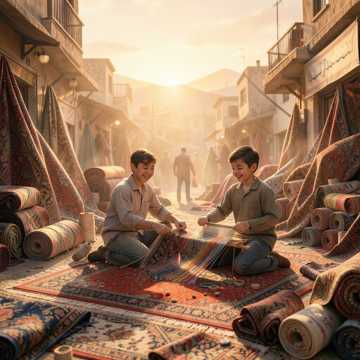
بچه قالین فروش
A vivid folk-pop tale of a young carpet seller whose charm and laughter brighten the marketplace, weaving stories of hope, warmth, and the simple beauty of everyday life.
03:09
5 days ago
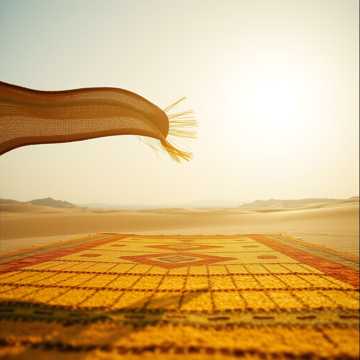
قالین افغان
A heartfelt tribute to Afghan carpets, weaving stories of heritage, labor, and national pride, brought to life with folk-pop rhythms, intimate verses, and celebratory choruses.
02:46
Invalid date
د رباب مسته
A joyous Pashto folk-pop song celebrating love and the enchanting sound of the rubab, blending storytelling verses with lively rhythms and chantable choruses.
03:00
Invalid date
sherka
A deeply emotional Uzbek song that intertwines nostalgic memories, patriotic love for the homeland, and the fusion of retro and modern musical expressions through heartfelt vocals and traditional instruments.
03:55
5 days ago
زما ارحم گلاب
A heartfelt Pashto ballad celebrating love and devotion, blending intimate vocals with gentle rubab plucks and subtle hand percussion to evoke warmth and emotional closeness.
03:15
Invalid date
Kakar
Kakar blends emotional storytelling with traditional Pashto Kakari Ghari rhythms, led by Mangay's high-pitched female voice and rubab, evoking love, longing, and cultural pride.
01:07
Invalid date
فانوس و سدید
این ترانه پرانرژی پاپ افغانی با ترکیب رباب و تبله، شادی، نور و انسجام جمعی را جشن میگیرد و نامهای نوید و رشاد را به نماد دلهای روشن و لبخند مردم تبدیل میکند.
02:55
Invalid date

Osai Jan
A romantic Afghan pop ballad celebrating love and longing, blending traditional instrumentation with modern production for a warm, emotional journey.
03:14
6 days ago

Baby Yousuf
Baby Yousuf is a heartwarming Afghan pop song celebrating the innocence, love, and blessings of a child, with intimate verses, uplifting pre-choruses, and a joyous, singable chorus.
03:15
6 days ago

اُسای جان
A tender Afghan pop love song celebrating intimate devotion, radiant beauty, and emotional connection, carried by warm vocals, traditional instruments, and uplifting choruses.
03:51
Invalid date
Osai Jan
‘اوسای جان’ یک بالاد عاشقانه افغان است که با شعرهای لطیف و تصویرهای رمانتیک، زیبایی معشوق را ستایش میکند. ترکیب رباب، طبله و گیتار آکوستیک فضایی گرم، صمیمی و سینمایی میسازد که حس وفاداری، آرامش و دلدادگی را منتقل میکند.
04:02
Invalid date
کندهار ته نڅا
يوه خوځنده او خوشحال Pashto dance-pop موسيقي ده چې د کندهار دوديز رنګ، روباب، لاسي ډرمونه او ګډ سندريز هکونه يوځای کوي او د جشن، ودونو او نڅا لپاره توده فضا جوړوي.
02:40
Invalid date

ستا د سترګو رڼا
دا سندره د نرم افغان پاپ بالاد احساس وړاندې کوي، چې د مینې، نږدېوالي او عاطفي تودوخې فضا جوړوي. د رباب ته ورته غږونه، نرم ډرمونه او پراخ هارمونیک کورس یې د زړه له ژورو احساساتو ډکوي.
04:09
6 days ago
رقصة قندهار
A high-energy Afghan Qataghani instrumental showcasing fast tabla patterns, soulful rubab leads, and folk dance rhythms, culminating in dynamic horn accents and clapping interplay for an immersive cultural experience.
06:50
6 days ago
Introduction to the Rubab: Definition, Origins, and Cultural Evolution
The Rubab (also spelled Rabab or Rebab) is a traditional stringed instrument widely recognized across Afghanistan, Pakistan, Iran, and parts of Central Asia. Known as the 'lion of instruments,' the Rubab is carved from a single piece of mulberry wood and traditionally uses goat-skin parchment and gut strings to create its distinctive, warm, and resonant tonal quality. Historically, the Rubab is believed to have originated in Central Asia as early as the 7th century, deeply influencing the development of other regional instruments such as the Persian Kamancheh and the Indian Sarod. Throughout history, the Rubab has held a significant place in folk music, classical traditions, Sufi rituals, and storytelling performances, making it a cornerstone of Afghan and Pashtun musical heritage.
Sub-tags and Classifications of the Rubab Instrument
Afghan Rubab
The Afghan Rubab is the most widely recognized form of the instrument. It features three main melody strings, two or three drone strings, and nearly a dozen sympathetic strings.Rubab music content generation Its rich, earthy resonance makes it particularly suitable for traditional Afghan classical compositions and folk melodies.
Kashmiri Rubab
The Kashmiri Rubab is slightly smaller and produces a brighter tone. It is often used in regional folk dances, devotional Sufi music, and ceremonial occasions. The structural design of the Kashmiri Rubab emphasizes melodic clarity over deep resonance.
Baluchi Rubab
Popular in Baluchistan (Pakistan/Iran), the Baluchi Rubab typically has fewer sympathetic strings and a more simplified tuning system. Its sound is raw and energetic, making it common in storytelling, poetry recitation, and nomadic musical traditions.
Tajik / Pamiri Rubab
Used in Tajikistan and the Pamir region, this Rubab variant features unique body proportions and tuning styles. It accompanies traditional dances and vocal performances, often blending ancient Persian tonal systems with local musical aesthetics.
Famous Rubab Artists and Iconic Works
Ustad Mohammad Omar
Known as the 'Father of the Afghan Rubab,' Ustad Mohammad Omar significantly expanded the instrument's presence on global stages. His virtuosity and complex improvisational passages helped elevate traditional Afghan Rubab music into the realm of world classical music. His recordings in Afghanistan and his performances at U.S. universities have preserved a vast repertoire of Rubab compositions.
Afghan Traditional: 'Kataghani'
'Kataghani' is a lively Afghan Rubab piece often performed at celebrations. The composition features rapid rhythmic plucking, drone accents, and bright melodic passages. Its structure demonstrates the Rubab’s ability to transition smoothly between rhythmic drive and lyrical expression.
Homayoun Sakhi
Homayoun Sakhi is celebrated for modernizing Rubab technique while preserving its cultural roots. His innovative fingerwork, extended melodic phrasing, and collaborations with orchestras worldwide—including the Kronos Quartet—have introduced Rubab music to contemporary audiences.
Homayoun Sakhi – 'The Art of the Afghan Rubab'
This modern composition and performance series showcases Sakhi's mastery of advanced Rubab techniques, including rapid tremolo, extended-range playing, and complex melodic improvisation. It pushes the boundaries of traditional Rubab music by merging classical Afghan modes with innovative global influences.
Ustad Daud Khan Sadozai
A master of both the Rubab and the Indian Sarod, Sadozai has contributed to cross-cultural development of plucked-string traditions. His recordings fuse Afghan classical elements with Hindustani influences, showcasing the Rubab’s adaptability.
Ustad Mohammad Omar – 'Radio Afghanistan Sessions'
A historic collection capturing Omar’s traditional repertoire. These sessions highlight the polyphonic resonance of the Rubab’s sympathetic strings and provide a deep look into mid-20th-century Afghan classical performance styles.
Ghulam Mohammad
A renowned Pakistani Rubab player, known for his role in revitalizing Pushto folk music. His performances highlight the emotional depth and storytelling power of Rubab melodies.
Application Scenarios for Rubab Music
Rubab music is widely used in film scores to evoke Central Asian, Middle Eastern, or ancient cultural atmospheres. Its warm, textured sound is ideal for emotional scenes, desert landscapes, historical dramas, and portrayals of nomadic life.
Film and Cinematic Soundtracks
Documentaries focusing on heritage, anthropology, or regional culture often use Rubab tracks to enhance authenticity and emotional depth. The instrument’s historical ties make it an excellent choice for stories centered on migration, tradition, or conflict.
Documentary and Cultural Programming
Rubab music can differentiate brands seeking a handcrafted, authentic, or artisanal aesthetic. Its organic tones pair well with commercials for travel destinations, handmade goods, tea brands, and cultural festivals.
Advertising and Brand Storytelling
In games with themes involving ancient civilizations, desert environments, stealth missions, or Silk Road adventures, Rubab soundtracks create immersive atmospheres. The instrument’s rhythmic capability is also suitable for action sequences or exploration themes.
Video Game Background Music
The calm and resonant timbre of Rubab works beautifully in meditation playlists, yoga studios, and therapeutic sound sessions. It provides grounding energy and a natural acoustic warmth that enhances relaxation.
Meditation and Wellness Music